Australia and Japan have deepened their collaboration to reinforce critical minerals supply chains with a USD 1.2-billion allocation to key projects.
READ MORE
World oil production:89.2 million bopd
World oil consumption:91 million bopd
World gas production:3.88 tcm
World gas consumption:3.85 tcm
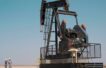
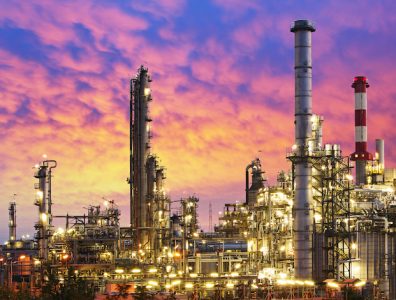
The multinational oil and gas industry is undergoing massive changes as the energy market actively transitions from fossil fuels to green energy sources. While the transition takes place, the oil and gas sector remains an important economic pillar for many countries and nations are continuing exploration activities to capitalise on hydrocarbons while the resources remain fiscally and environmentally relevant. Sectors such as aviation, shipping and petrochemicals are expected to continue to rely on oil until alternatives are presented. As the world population rises, the International Energy Agency expects energy demand to grow by 1.3% annually until 2040, underlining the importance of creating infrastructure to fulfil the global need.
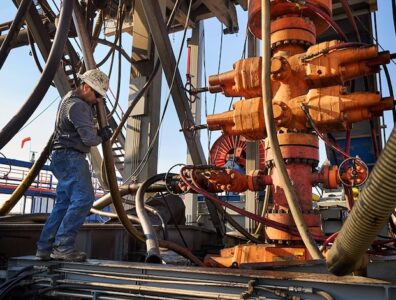
Volatility in oil prices and massive advances in the energy industry’s digital revolution have had a huge impact on upping efficiencies in the upstream sector. New innovations in sensors and big data have allowed for unmanned assets and heightened energy security. Recent technological advances have also allowed the industry to advance on more difficult upstream plays, particularly in offshore and shale plays. Major hydrocarbons players are now flocking to unlock unused potential around the world while demand remains.
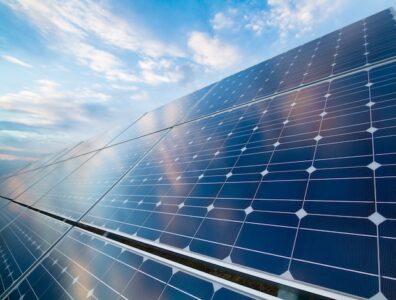
Cost of power generation sectors relying on renewable resources has declined significantly. This coupled with advances in battery technology have made wind and solar resources competitive with fossil fuels in many parts of the world. Nations are also actively investing in hydrogen as an alternative energy source through electrolysis at renewable assets and carbon capture and storage technologies. However, the pathway to keeping climate change within a 1.5-degree-Celsius margin by 2050 as set down by the Paris Agreement remains a challenge, with McKinsey expecting a 3.5-degree scenario by the target date based on current energy trends.
The US and Iran have reached an initial deal to halt the war and reopen the Strait of Hormuz, sending oil prices lower.
READ MORE
Percy Mellar of DUG Technology talks about the appetite for imaging services in Africa’s mature and frontier basins.
READ MORE
Eldorado Drilling has agreed to acquire Vantage Drilling in a USD 257.6-million deal to expand its offshore drilling footprint.
READ MORE
BW Energy has sanctioned two offshore projects in Gabon and Brazil to lift output above 100,000 bopd by 2028.
READ MORE
WinGD has secured its first order for ethanol-fuelled marine engines to power two China-built ore carriers chartered by Brazil’s Vale.
READ MORE
Australia and Japan have deepened their collaboration to reinforce critical minerals supply chains with a USD 1.2-billion allocation to key projects.
READ MORE
Japan has launched a USD 10-billion financial framework to support oil purchases by Asian neighbours and the construction of storage capacity in the region.
READ MORE
Oil markets remain on edge as hostilities continue in the Gulf. Kuwait Petroleum Corporation said on Tuesday that its Al Salmi crude oil tanker had been struck in a…
READ MOREWHOSE PLATFORM IS THIS?
ASK US