

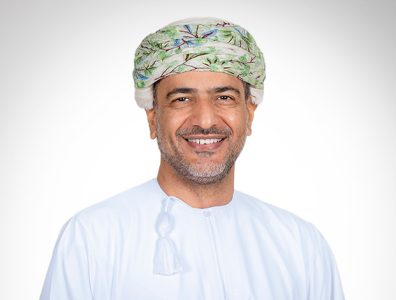
Energy diversification: A pillar of Oman’s economic development
January 27, 2026 Oman
Oman 


H.E. Mohsin Hamed Saif Al Hadhrami, Undersecretary of Oman’s Ministry of Energy and Minerals (MEM), talks to The Energy Year about developing policy frameworks to strengthen Oman’s competitiveness in global markets and enhance energy security. The Ministry of Energy and Minerals manages the exploitation of Oman’s natural resources.
This interview is featured in The Energy Year Oman 2025
What priorities is the Ministry of Energy and Minerals setting to align policy with energy and economic diversification goals under Oman Vision 2040?
The Ministry of Energy and Minerals places great importance on leading the transition towards a sustainable and diversified energy future, aligned with Oman Vision 2040. Our vision includes ensuring national energy security, enhancing Oman’s competitiveness in global energy markets, driving economic diversification through renewable energy development, expanding the mining and minerals sector, and strengthening local content.
We are committed to contributing to net-zero objectives and to the localisation of advanced technologies and future-ready skills. For us, energy diversification is not a secondary option; it is an essential pillar of Oman’s sustainable development and a commitment to future generations.
How are you balancing oil and gas production with energy transition goals, and how will the upstream sector be affected in the coming years?
We work towards a precise balance between optimising oil and gas production to ensure the secure flow of global energy supplies and advancing towards a more diversified energy economy. The toolset utilised to achieve the energy transition includes increasing the utilisation of renewable energy sources, initiating green hydrogen production and reducing emission intensity through electrification, energy efficiency and advanced technologies in oil and gas extraction.
Setting policies and frameworks to update the electricity market design, and for CCUS and blue hydrogen, contributes to this drive. We are also achieving progress on the ground with several projects across Oman with the goal of raising the contribution of clean energy in the electricity grid to 30% by 2030, 60-70% by 2040 and 90-100% by 2050, primarily through renewable energy.
Oman’s Green Hydrogen Strategy sets a clear roadmap to harness renewable sources for hydrogen production. Our work extends beyond capacity building to include infrastructure development, local manufacturing and human capital development – all of which are underway. Global trends indicate the demand for oil and gas will rise as overall energy demand grows in emerging economies, hence our approach to grow hydrocarbons and renewables production capabilities alike.
What are the key regulatory, infrastructure and investment requirements for Oman to reach its 2030 hydrogen production target of 1 million tonnes per year (tpy)?
Oman’s Green Hydrogen Strategy is built on five main pillars: ensuring energy security, orderly decarbonisation, developing transition-enabling capabilities, growing a low-carbon economy and enhancing competitiveness in the energy sector.
We have allocated 65,000 square kilometres of land across Oman in regions such as Al Wusta and Dhofar for renewable and green hydrogen projects. Our open and transparent approach to selecting partners has proven successful. We aim to produce around 1 million tpy of green hydrogen by 2030, with a vision to expand to several million tpy by 2040 or 2050 and position Oman among the world’s leading producers through collaborations and partnerships.
How relevant are regional interconnections and cross-border energy flows for Oman’s energy strategy?
Oman attaches great importance to strengthening regional interconnections in electricity, gas and hydrogen, viewing them as key pillars of energy security and economic integration in the Gulf. Interconnection improves efficiency and enables the exchange of reserve capacity, while also paving the way for Oman to export surplus electricity and green hydrogen to regional and global markets.
Oman has already joined the GCC interconnection project, linking the Ibri and Al Sila substations via a 400-kV transmission line, at an investment exceeding USD 500 million. The infrastructure enhances grid reliability and facilitates energy exchange when needed.
Additionally, through OQ Gas Network, we are developing a hydrogen pipeline that will stretch up to 400 kilometres to connect production sites with export ports and industrial hubs. OQGN is also planning similar carbon dioxide pipelines for CCUS. These efforts fall within the regulatory and financial frameworks established to support an orderly transition to clean energy and carbon neutrality by 2050, while reinforcing regional co-operation in renewable energy and infrastructure development.
What is the ministry’s roadmap to accelerate renewable energy deployment across Oman?
We are embedding local content requirements across all sectoral contracts, training Omani talent, building partnerships with universities and technical institutes, and fostering innovation and entrepreneurship within the energy and minerals sectors.
The ministry is also streamlining investment procedures in energy and mining, providing clear incentives for domestic and international investors within a framework that enhances in-country value and long-term sustainability. In addition, we aim to establish a regulatory sandbox for pilot projects in domains identified by the regulator and approved by us, the policymakers, to integrate regulatory innovations into our system.
To what extent does the mining sector complement Oman’s energy ambitions and diversification strategy?
Sustainable development is the cornerstone of our work and our commitment across the energy and minerals sectors. Together with our partners, we are working to reduce carbon intensity in alignment with Oman’s net-zero strategy.
The mining sector is bound by environmental and social standards, including the use of technologies to minimise operational footprints, the rehabilitation of mining sites post-activity and the engagement of local communities. Transparency and environmental reporting are integral to our approach, as we firmly believe that economic growth must be accompanied by environmental and social responsibility.
Oman is exploring for minerals such as copper, manganese, nickel and silica, which play a vital role in industrial development and the global shift toward clean energy technologies. This focus aligns with Oman Vision 2040 objectives to diversify the economy and enhance the value of domestic natural resources.
Leveraging its strategic location and advanced infrastructure – including deep-water ports in Sohar, Duqm and Salalah, as well as free zones and industrial hubs – Oman aims to establish itself as a regional centre for mineral exploration, processing and exports. The mining sector is not only a cornerstone of Oman’s economic diversification, but also a strategic enabler of its energy transition.
What is the Ministry’s strategy to de-risk energy investments and enhance bankability, particularly in emerging energy segments?
We believe that international partnerships and strategic alliances are essential to achieving our national goals. Therefore, our efforts are directed toward facilitating foreign investment, ensuring transparent bidding processes and establishing joint ventures in energy, hydrogen and mining. Oman’s investment environment remains highly attractive, supported by a robust legal and regulatory framework.
How is the Ministry supporting the development of Oman’s industrial and energy hubs?
Oman is an ideal platform from which to connect Asia and Europe, and a promising export hub for energy and minerals. As we advance our economic and production strategies, we are reinforcing Oman’s role as a regional energy and industrial gateway, opening new horizons for partnerships and investments, and elevating our position as a sustainable and diversified economy.
Oman is already emerging as a model in the energy transition and as a proactive contributor to global climate and development solutions, and the Ministry of Energy and Minerals is facilitating the development of new green energy projects to supply continuous power to existing and emerging industrial hubs in Sohar, Duqm, Salalah, Sur and Ibri, enabled by the robustness of the national grid.
At the same time, we are working to align the availability of raw materials with the needs of existing and new industries within these hubs. The Ministry of Energy and Minerals remains fully committed to its responsibilities towards citizens and the environment, and to moving forward confidently on the path toward our shared national goals.
Read our latest insights on:
More content from Oman





Quality seismic decisions for Angola
INTERVIEW
Latest news and features



Latest Reports
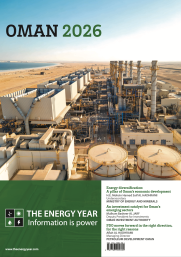


The Energy Year Oman 2026
The Energy Year Kuwait 2025
The Energy Year Angola 2025
The Energy Year Nigeria 2025
The Energy Year Saudi Arabia 2025
The Energy Year UAE 2025

