

An investment catalyst for Oman’s emerging sectors
February 3, 2026 Oman
Oman 


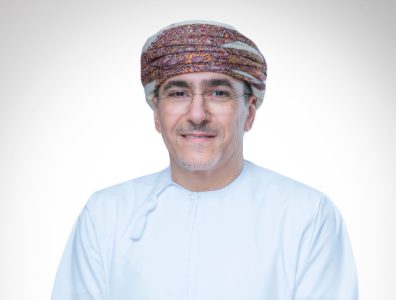
Mulham Basheer Al Jarf, deputy president for investments at Oman Investment Authority (OIA), talks to The Energy Year about the priorities that will guide OIA’s capital deployment in the future and the most dynamic opportunities for domestic and international investors today. OIA is responsible for managing Oman’s domestic and international investments.
This interview is featured in The Energy Year Oman 2025
Can you provide an overview of Oman Investment Authority’s main objectives?
Oman Investment Authority is the sovereign wealth fund of Oman. We have two key mandates, the first of which is economic development. We invest in sectors prioritised under Oman Vision 2040, such as logistics, healthcare, mining, aquaculture, tourism and manufacturing. We also target enabling sectors such as financial services and activities that support domestic supply chains.
Our second mandate is international investment, which we manage under our Future Generations Fund. Our investments span more than 50 countries and include positions in both public and private markets.
In 2024, we launched the USD 5.2-billion Future Fund Oman (FFO), specifically designed to co-invest with domestic and international partners, including SMEs, in Oman Vision 2040 sectors. Its structure is geared towards enabling rather than controlling, which means we avoid crowding out private investment and instead seek to complement and catalyse it.
What measures is OIA taking to encourage investments in Oman?
Our primary identity is that of an investor, but we understand the obstacles others may face. If we see a project that is beneficial for Oman, we do what we can to move it forward.
Our online platforms make engagement simple. For example, FFO operates through an automated portal. Funding evaluations are governed by KPIs, and decision making is measured against clear performance timelines. The system ensures predictability and accountability for partners.
Which sectors are drawing the most interest from investors?
Green hydrogen and the broader energy transition space are definitely in the spotlight. There is a lot of momentum in renewables and clean power. Beyond energy, we are seeing strong interest in steel, petrochemicals and, of course, in tourism and real estate. These sectors offer a combination of strategic value and growth potential, which makes them attractive for both domestic and international investors.
We are building sector-specific teams that can oversee and guide investment strategies in these areas, and taking a dynamic approach to capital allocation. For instance, if we IPO a company and realise a profit, we may redeploy those proceeds either to strengthen the same sector or to accelerate growth in others. But the key objective is always complementarity. We never aim to compete with the private sector – our role is to enable, support and co-invest alongside private players.
Where do you see the greatest need for international collaboration?
Nearly all sectors of the Omani economy would benefit from international participation. And international companies can benefit from Oman’s existing competitive advantages, which include a stable policy environment, a solid workforce and a privileged location with access to key markets. We don’t rule anything out and are open to exploring emerging fields such as fintech, AI, digitalisation and superconductors. These sectors represent new frontiers, and we are keen to engage with partners who bring expertise and value.
Personally, I believe partnerships are essential for progress, as they can bring advanced technical know-how, robust corporate governance and operational improvements, as well as market access. The partnership model is simply effective. We don’t believe in going solo; collaboration is absolutely necessary.
How have your investment priorities changed with the advance of Oman’s economic diversification agenda?
We are putting more emphasis on non-energy sectors. Companies such as OQ and others are now self-sustaining and no longer require capital support, which allows us to use profits from energy-related assets to fund investments in sectors such as logistics, tourism and manufacturing. We are progressively shifting the weight of our investments to match Oman Vision 2040 priorities.
For our international portfolio, we are actively looking for opportunities to bring knowledge to Oman or create expansion opportunities for Omani outputs. Whether in energy transition, logistics or digital infrastructure, we have dedicated teams tasked with identifying and developing opportunities. Domestically, we assess proposals through our platform and selectively co-invest in projects that align with our mandate.
We have developed the Qimam platform to track the local content performance of the companies we invest in. Through it, we set annual in-country value and SME spending targets and incentivise local engagement in a way that goes beyond just hiring Omanis. Our development objectives also incorporate supply chain access, service delivery and the broader ecosystem. The goal is to maximise economic benefits.
How do you see OIA’s role evolving in the next five years?
Honestly, I am not sure five-year horizons are relevant anymore from an investment perspective. The pace of change, especially with AI, has accelerated significantly. What used to take years now can happen in months. Whether you are a journalist or a policymaker, it is getting harder to keep up, and we are entering an era where the challenge is not just to adapt, but to do so quickly, intelligently and sustainably. Change is no longer linear – it’s exponential.
Read our latest insights on:
More content from Oman





Quality seismic decisions for Angola
INTERVIEW
Latest news and features



Latest Reports
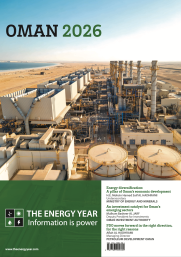


The Energy Year Oman 2026
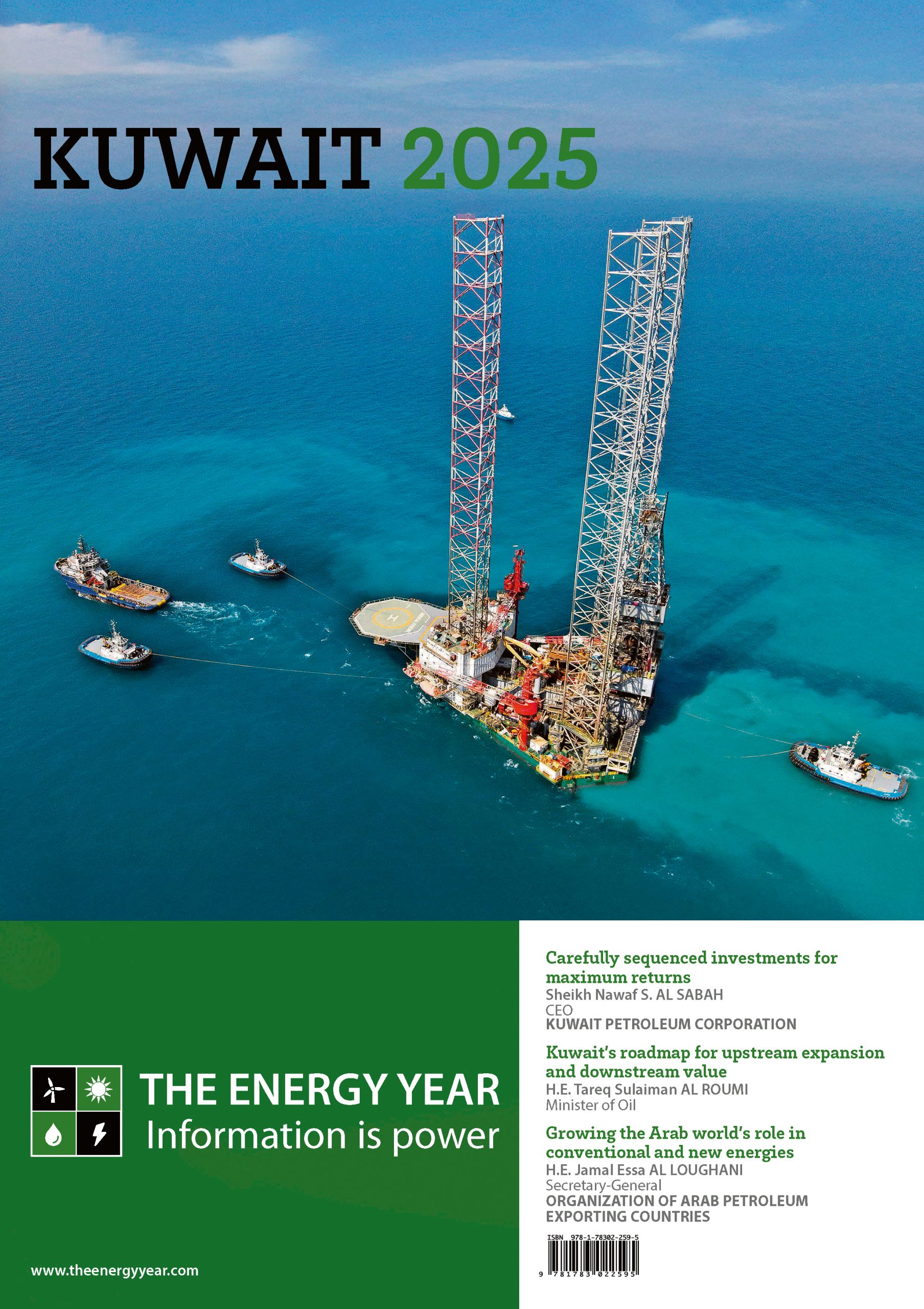
The Energy Year Kuwait 2025
The Energy Year Angola 2025
The Energy Year Nigeria 2025
The Energy Year Saudi Arabia 2025
The Energy Year UAE 2025

