


An integrated approach
February 4, 2025 Colombia


Alvaro Rodriguez Ferrero, president of Ventura Group, talks to The Energy Year about how the Group’s core business has evolved and how it ensures efficiency in its transport logistics and its main port operations. Ventura Group provides comprehensive logistics solutions.
What is Ventura Group’s core business, and how has it evolved over the years?
We are a group of companies that has been operating for nearly 35 years. We specialise in logistics for bulk cargo, particularly non-containerised cargo. Our main markets include cereals, fertilisers, chemicals and minerals for export.
Over the years, we’ve developed a comprehensive logistics package that sets us apart in the industry. We have four main business units: port operations, integrated inland transport, terminal services and a recently added trading arm.
In terms of volume, we handle about 4.5 million tonnes of cargo annually. This breaks down to approximately 3 million tonnes in imports for Colombia’s agro-industrial and food sectors and 1.5 million tonnes in mineral exports.
Recently we’ve expanded our services to include trading and marketing through a new company called Seven Seas. This expansion allows us to offer even more comprehensive services to our clients. For instance, we now not only handle the logistics of coke coal from plant to port but also engage in marketing, the production of certain byproducts and ship delivery. This integrated approach helps make Colombian products more competitive in international markets.
How does Ventura Group ensure efficiency in its transport logistics?
Our transport logistics are primarily handled through our company BGP Containers and Logistics, we operate with a mixed model of owned and affiliated vehicles, maintaining a balance of approximately 50-50 between our own fleet and third-party carriers.
Currently we utilise about 200 tractors in our service, but we have ambitious plans for growth. We’re aiming to integrate a minimum of 50% of our current volume in the coming years, which will require us to double our fleet capacity. One key initiative we adopted to improve efficiency is our pre-port area. This is where all trucks arrive and wait for their cargo assignments. During this time, they can also negotiate return cargo with our clients. This system significantly reduces logistics costs for our customers, minimises waiting times for carriers and improves the overall efficiency and profitability of the business.
We’re also working on expanding our fleet capacity by 30%. Given the financial implications of such rapid growth, this expansion will likely be achieved primarily through third-party affiliations rather than through the direct acquisition of new vehicles.
What are Ventura Group’s main port operations and future plans?
We are proud to be the largest operator by volume for our cargo types in Colombia. We have a strong focus on the Pacific coast, particularly in Buenaventura. We believe the Pacific is the gateway to growth for Colombia, especially given the increasing importance of Asian markets and the American West. We’ve developed a logistics model that effectively integrates the Pacific with the interior of the country.
Now we’re working on replicating this successful model on the Atlantic coast. We’ve already started operations in Barranquilla, focusing on coke ore. The goal is to establish the same integrated operation and service level that we have on the Pacific side, offering our clients logistics alternatives across all of Colombia’s ports.
In Cartagena we’re diversifying our services with the OINSAS S.A.S. project. This initiative aims to develop shipyard capabilities in Colombia, offering solutions for minor repairs to ships. This diversification will help reduce operational delays and costs associated with ships having to travel to Panama for repairs.
How is Ventura Group addressing its social and environmental responsibilities?
At Ventura Group, we believe that our primary social responsibility is job creation. We currently employ about 1,000 people directly and 2,000 indirectly. Beyond employment, we’ve established a foundation called Étikaverde, which focuses on two main pillars: environmental protection and social development. On the environmental front, we’re dedicated to water protection and promoting the use of biofertilisers among farmers.
We’ve created “biofactories,” where we teach small farmers how to produce their own fertilisers from microorganisms, reducing reliance on chemical fertilisers and promoting sustainable agriculture.
One of our flagship social initiatives is our community house in Buenaventura. This multipurpose facility includes a nursery that allows parents to work while their children are in a safe environment; an entrepreneurship workshop for developing sewing and leatherwork skills, creating opportunities for local women; and a Level 1 health centre that provides basic healthcare services to the surrounding community.
We’ve also created the Ventura Football Club, which started as a social project to keep young people away from criminal gangs. It has grown significantly and now impacts 250 children. The project has been so successful that eight children who started with us at age 10 have gone on to join professional teams. We’re even exploring the possibility of establishing a second division professional team in Buenaventura.
What are your main financial targets and strategic objectives for the coming years?
Our immediate financial target for this year is to reach COP 1 billion [USD 235 million] in revenue. To achieve this, our main strategic objective is to consolidate our logistics model in Colombia and expand it across Latin America. We aim to
become the “DHL of cereals” and bulk cargo in the region. We’re actively exploring opportunities in Peru, Ecuador and Argentina, with each offering unique prospects for our business model.
In Peru we’re focusing on logistics integration in the mining sector, with plans to expand into the grain sector. In Ecuador we’re working on re-establishing our presence at the Esmeraldas terminal. For Argentina our goal is to revive the cereal trade connection with Colombia, which has diminished significantly over the years.
We’re also considering inorganic growth, particularly in markets such as the United States. We’re exploring the possibility of acquiring existing companies to expedite our entry into these consolidated markets, especially in the transport sector, where we see a deficit in skilled labour.
Read our latest insights on:
-
-

-

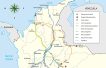
O&M leadership in mining and energy
INTERVIEW
More content from Colombia


Quality seismic decisions for Angola
INTERVIEW
Latest news and features


Latest Reports


The Energy Year Oman 2026
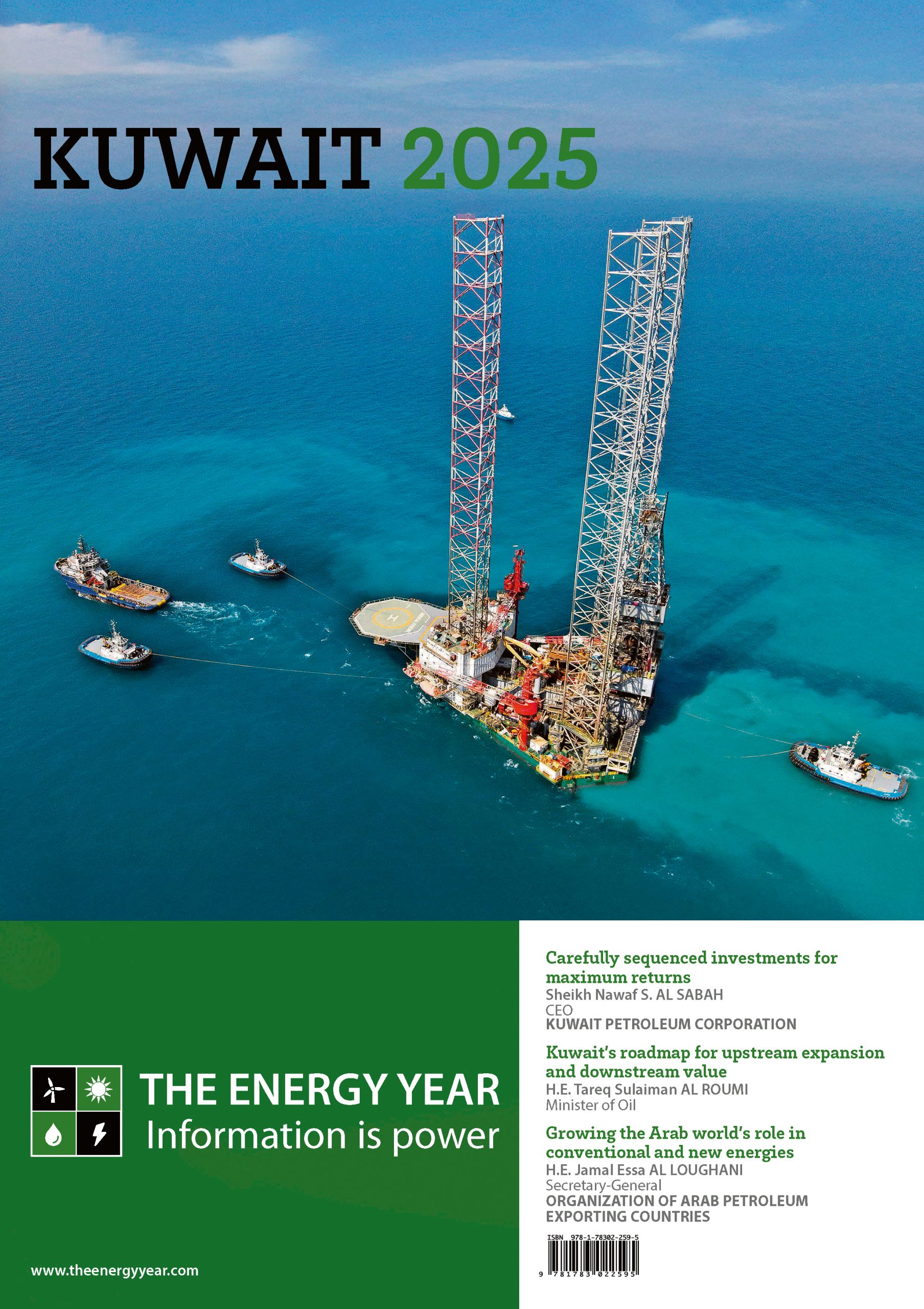
The Energy Year Kuwait 2025
The Energy Year Angola 2025
The Energy Year Nigeria 2025
The Energy Year Saudi Arabia 2025
The Energy Year UAE 2025

