


At the forefront of Colombia’s energy transition
February 4, 2025 Colombia


Rubén Borja, country manager of Atlas Renewable Energy, talks to The Energy Year about why Colombia is an attractive market for the company and its plans for expansion within the country. Atlas Renewable Energy is Latin America’s largest privately owned independent renewable power producer.
What makes Colombia an attractive market for Atlas Renewable Energy, and what are your plans for expansion in the country?
In Colombia we see good resources and conditions for renewable energy developments, particularly solar energy. There’s a visible tightness between supply and demand, which means if we have quality projects, we can commercialise the energy effectively. The country also shows a commitment to the energy transition, supported by stable political and regulatory frameworks.
Our approach in Colombia is not solely focused on our strategic alliance with a large energy offtaker. While this alliance is a fundamental channel for our operations, we remain open to other opportunities in the market. We’re constantly evaluating potential projects and partners, always with an eye on contributing to Colombia’s energy transition and addressing the country’s specific energy challenges.
We’re planning significant expansion in Colombia. Our goal is to reach 1 GW of installed capacity in the next five years, aiming to contribute at least 25% of Atlas’s growth targets by 2028. We have a robust pipeline of about 2 GW at different stages of maturity, combining M&A opportunities, agreements with developers and our own greenfield projects.
This strategy allows us to meet short-term goals through acquisitions while developing long-term, in-house projects. This flexible approach enables us to maximise our impact and take advantage of diverse opportunities as they arise in this dynamic market, ensuring we can adapt to changing conditions and needs in Colombia’s energy industry.
What trends do you see in the Colombian renewable energy market, particularly regarding project scales?
We see the Colombian market evolving through different stages. Currently, large-scale or utility-scale projects make the most sense, especially those with secured interconnection capacity. These projects are crucial for addressing the short-term supply-demand gap.
However, we anticipate a shift towards mid-sized projects in the medium term as demand dynamics change and interconnection points become scarcer. This evolution is closely tied to the development of the country’s energy infrastructure and the changing needs of various sectors, particularly the commercial and industrial [C&I] sectors.
Looking further ahead, we expect to see the emergence of mini-grid, off-grid and distributed-generation solutions. This could include community energy initiatives and a greater role for the C&I sector. Eventually, we foresee a mature market where residential projects, microgrids and demand-side participation become more prominent.
This evolution aligns with what we’ve observed in more mature markets globally. As this transition occurs, we’re positioning ourselves to be at the forefront, ready to adapt our offerings and expertise to meet the changing needs of the Colombian energy market at each stage of its development.
Can you tell us about the Shangri-La project and your strategic alliance?
The Shangri-La project is a 201-MWp solar project that we acquired in February 2024 from a developer called Rayo. The project is set to deliver more than 400 GWh per year over a 15-year PPA [power purchase agreement] starting in late 2025.
Located in the Tolima region, it’s set to be the largest operational plant in the area upon completion. We’re proud of the positive impact this project will have, not just in terms of energy production but also in terms of job creation, knowledge transfer and community development.
This project is part of our strategic alliance with a large energy offtaker, where we’ve agreed to develop 1 GW together over the next five years. In this alliance, we handle development and construction, while the offtaker takes care of energy commercialisation.
How do you approach technology and innovation in your projects?
We have a dedicated innovation area that stays at the forefront of developments, testing new technologies to ensure market confidence. Our standard setup includes bidirectional trackers and bifacial modules, but we’re always looking at ways to improve.
For each project, our engineering team carefully evaluates available technologies to optimise the layout and achieve the best levelised cost of energy. This involves decisions on trackers, panel types and other components. We also consider innovations that can improve operational efficiency, such as cleaning technologies and robots. Our goal is to deliver reliable and competitive energy, contributing to solving Colombia’s energy challenges, including the supply-demand gap and tariff issues.
What challenges and opportunities do you see in Colombia’s renewable energy sector?
The main challenges we’ve identified in Colombia relate to the development process, particularly environmental licensing and community relationships. However, we’ve seen significant progress in recent years, with evolving regulations aimed at streamlining the development process and aligning the interests of various stakeholders. These improvements are crucial for accelerating the deployment of renewable energy projects and achieving Colombia’s energy transition goals.
Despite these challenges, we see substantial opportunities. There’s a clear need for energy to address the supply-demand gap, which creates a strong market for well-developed projects. We also see potential in contributing to the country’s energy transition and helping to solve issues such as high energy tariffs.
By delivering competitive and reliable renewable energy, we can play a role in addressing these systemic challenges. Furthermore, we see opportunities in innovating our approach to project development, community engagement and energy commercialisation. By staying responsive to the unique needs of the Colombian market, we believe we can create significant value for our partners, clients and the broader energy ecosystem in the country.
How does Atlas Renewable Energy differentiate itself in the market?
We differentiate ourselves through our rigorous approach to project selection and development, our focus on delivering value to end customers and our ability to form strategic alliances. Our goal is to be a key ally for energy solutions, particularly in the commercial and industrial sector. We pride ourselves on our ability to tailor solutions to client needs, offering innovative products and flexible contracts in solar, wind and battery energy storage systems (BESS).
We also emphasise our commitment to sustainability practices, focusing on knowledge transfer, gender inclusion and positive community impact in the regions where we operate. Moreover, our global experience and local expertise enable us to bring best practices and innovative solutions to the Colombian market while we continue to adapt to local conditions and needs. This balance of global perspective and local understanding, combined with our focus on long-term partnerships and sustainable development, sets us apart in Colombia’s evolving renewable energy landscape.
Read our latest insights on:
-

-

-

O&M leadership in mining and energy
INTERVIEW
More content from Colombia


Quality seismic decisions for Angola
INTERVIEW

Latest news and features




Latest Reports


The Energy Year Oman 2026
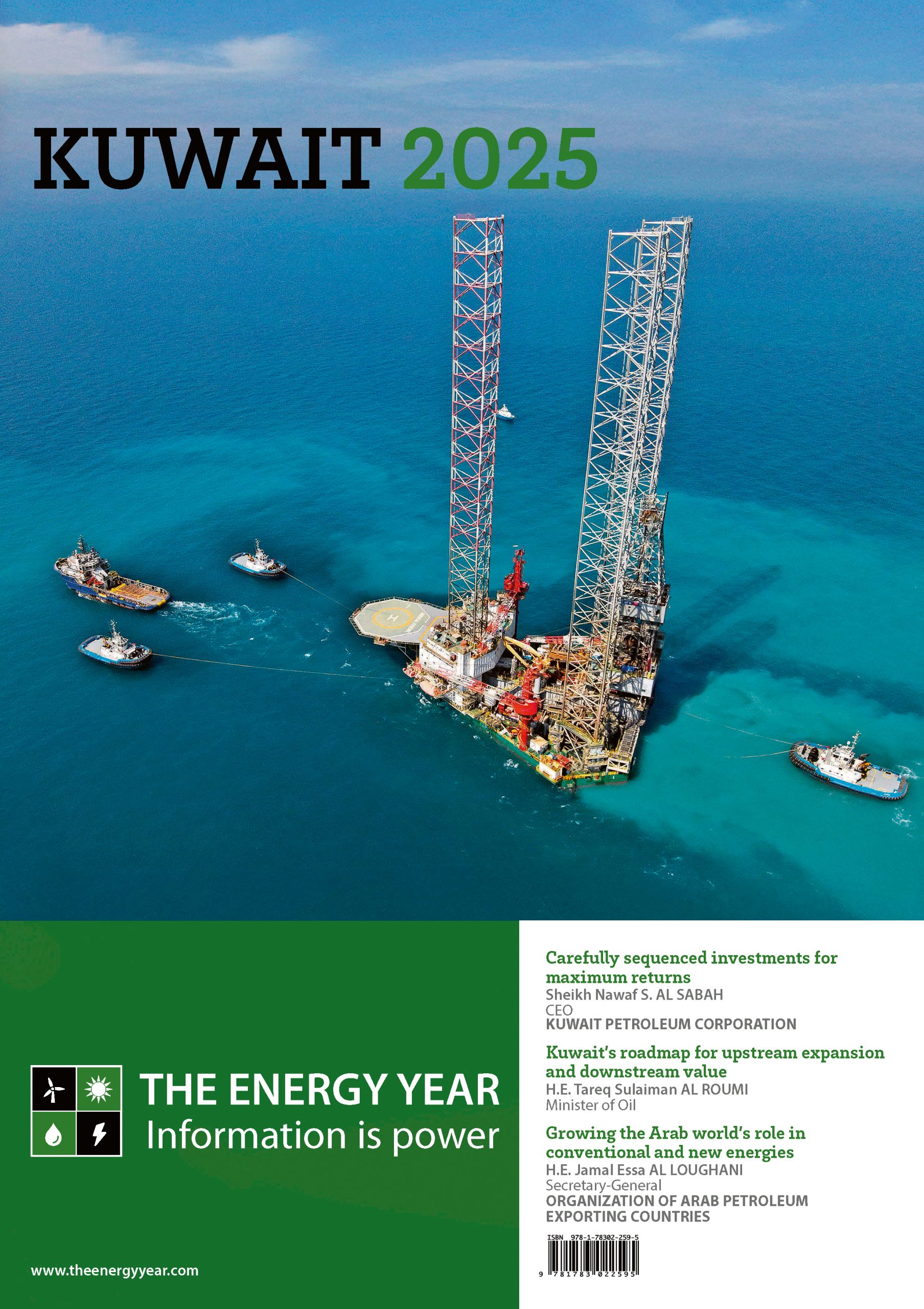
The Energy Year Kuwait 2025
The Energy Year Angola 2025

The Energy Year Nigeria 2025

The Energy Year Saudi Arabia 2025

The Energy Year UAE 2025

