
Driving low-carbon steel in Oman
February 10, 2026 Oman
Oman 


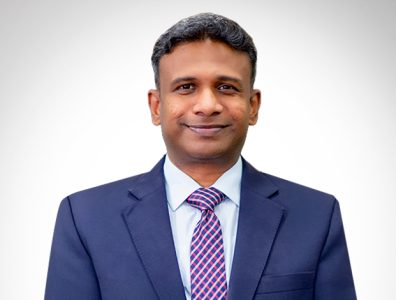
Harssha Shetty, CEO of Jindal Steel Oman, talks to The Energy Year about the company’s low-carbon-intensity steel targets in Oman and its vision to be among the country’s largest contributors to the growth of non-oil GDP. Jindal Steel is a global steel manufacturing company.
Jindal Steel Oman contributes around 1.6% of Oman’s GDP, and 17% of its non-oil GDP. What have been the key drivers of this performance?
The biggest driver of Jindal Steel’s success is the people. Across the world, the technology and machinery are similar; what sets us apart is our people. We are very proud to have a highly committed, technically competent and fully aligned team of leaders and engineers who come together with a single focus on being a steelmaker of the highest quality.
Another key driver is the vision of the Jindal Group, which is aligned with Oman Vision 2040. It provides clear direction for our efforts, ensuring that everything we do takes Oman a step closer toward a diversified, non-oil-based economy.
A third critical factor is the Jindal Group’s 50 years of steelmaking experience. This is critical to ensure we maintain world-class operational efficiencies and that our cost of production is in the first decile of the global curve.
Finally, there is our focus on safety, quality, sustainability and community development. These four drivers ensure that we are a model corporate citizen in whichever country we operate.
When will your hot briquetted iron (HBI) project in Duqm be operational?
The first phase of our HBI project in Duqm will be operational in Q1 2027 with a capacity of 2.5 million tonnes per year (tpy), and by 2028, we will increase output by an additional 2.5 million tpy. We now have the right partners in place and on-site to ensure that the project begins production within the next 15 months.
What steps are you taking to integrate renewable energy sources into your operations?
Renewable energy is a cornerstone of our growth and decarbonisation strategy. We have entered into a strategic joint development agreement with OQ Alternative Energy, Oman’s national champion for renewables, to develop clean power sources dedicated to our industrial operations in Sohar.
Groundwork is already underway in key locations, positioning us to move swiftly into implementation once relevant transmission and renewable-energy policies are formalised.
This will expand our access to clean energy, reduce our carbon footprint and enable the production of low-carbon steel, in alignment with Oman’s vision to become a global hub for green manufacturing.
What is the response you are seeing in the market so far to lower-carbon steel?
Low-carbon steel is receiving a very positive response among manufacturers of automobiles, white goods, machinery and wind infrastructure. Large corporations in these sectors have announced decarbonisation plans and are seeking suppliers who can reduce the carbon footprint of their products. Low-carbon steel is being well received by these customers.
Additionally, the introduction of CBAM [Carbon Border Adjustment Mechanism] from January 1, 2026, has provided a policy push that further supports demand.
How do you assess the global recognition of Oman-made steel?
The Made in Oman brand is increasingly gaining recognition internationally for being future-ready in terms of its sustainability footprint. The country is geopolitically stable, and the government has proactive, pro-industry policies that enable downstream industries to thrive.
Steel produced by Jindal Steel in Oman benefits from the use of clean natural gas, which results in a significantly lower carbon footprint. Within this context, Jindal Steel’s presence provides a fillip to Oman’s reputation as a reliable and sustainable source of steel in global markets.
What is your long-term vision for Jindal Steel in Oman and your strategy for reinforcing the domestic steel ecosystem?
Our strategy is to increase our production in Oman to 10 million tpy and to facilitate downstream investment, so that at least 25% of this steel is consumed within Oman by 2035. Our long-term vision is to make Jindal Steel the biggest contributor to national targets under Oman Vision 2040.
The country needs leading companies to accelerate non-oil GDP, and steel can serve as a key element, triggering broader economic growth. Over the years until 2040, we aim to drive the growth of non-oil GDP through investments in primary steel production and downstream development, while building a large pool of young, skilled Omani talent. We believe this is the most effective way to support Oman in achieving its vision.
Read our latest insights on:
More content from Oman





Quality seismic decisions for Angola
INTERVIEW
Latest news and features



Latest Reports


The Energy Year Oman 2026
The Energy Year Kuwait 2025
The Energy Year Angola 2025
The Energy Year Nigeria 2025
The Energy Year Saudi Arabia 2025
The Energy Year UAE 2025

