
Optimised production at the Velásquez field
February 10, 2025 Colombia


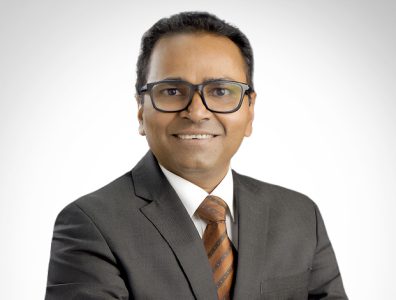
Kishore Kumar, CEO of Mansarovar Energy, talks to The Energy Year about the company’s Velásquez field and the Velásquez-Galán Pipeline, and its drilling activities, investments and production optimisation. Mansarovar Energy is a joint venture between Sinopec and ONGC Videsh specialised in heavy oil production.
Tell us about your Velásquez field and the Velásquez-Galán Pipeline.
Mansarovar Energy was formed in 2006 as a 50-50 JV between Sinopec of China and ONGC Videsh of India. We operate the Velásquez field, which started production in 1947 and was originally operated by Texaco.
In 1995, the field was transferred to Omimex, and then, we acquired it in 2006. While this field reached peak production in 1959, hitting 29,765 bopd, today it produces around 4,000 bopd. We have stabilised its production, whereas previously it was experiencing an annual decline of 12%. Moreover, Velásquez has more than 320 wells drilled out of which around 95 are in production, more than 185 are abandoned and over 30 are closed.
In Q1 2023, we started a workover campaign, and in Q2 of 2023, we began an infill campaign to ramp up production. With both these actions we have increased production by 1,600 bopd. In parallel, we started monitoring and optimising our wells, which has increased production as well.
With the implementation of new technologies, techniques and the optimisation of production, we managed to increase production from 2,800 bopd in Q1 2023 to 4,200 in July 2024. We aim to have a production average of 4,000 bopd by the end of 2024.
Related to this field, we operate another asset, the Velásquez-Galán Pipeline, which is 187.2 kilometres long and has diameters of 12 and 14 inches. It has a capacity of 50,000 bopd. Furthermore, this asset has an initial facility at the Velásquez Station, where crude oil from Battery 2 of the field is received.
This infrastructure also includes three pumping stations – Zambito, Cantimplora and Carare – which reach the El Sauce terminal in Barrancabermeja, which has a storage capacity of 250,000 barrels.
What efforts has Mansarovar Energy made regarding drilling activities, investments and production optimisation?
In 2023, we drilled five wells. In 2024, our target is to drill eight wells, and we’ve already completed five workover wells. Likewise, in 2023 and 2024, we have abandoned eight wells.
Our capex in 2023 was USD 24.6 million, while in 2024 it was USD 49.7 million. We’ve experienced a more-than-100% increase in year-on-year capex, which clearly reflects the bet and faith we have in the Velásquez field.
We have optimised many procedures in the company to achieve the results we want. We started by optimising manpower and the procurement process, and we have further optimised the field. Now we are trying to optimise the operation of our batteries to reduce costs.
In this quest for optimisation, we have also implemented new technologies. Nearly 100% of the wells at the Velásquez field are on artificial lift systems – 80% are on PCP [progressive cavity pumps], and 20% are on rod pumping units. In 2024, we also deployed a hydraulic pumping unit, and the performance is good and is reducing the failure of the artificial lift system.
There are, of course, certain challenges we are encountering. Therefore, we have our own well services segment, which takes care of the repair of broken rods, broken tubing and sand cleaning. These three constitute the major maintenance jobs we are conducting. For this, we have our own equipment: two well service rigs, one workover rig and another drilling rig. We also have a smaller rig that we have been utilising for well abandonment.
How are you disposing of water and reusing it for water flooding and injection techniques?
Today, from the 30,000-32,000 bfpd that Velásquez produces, around 85-90% is water. It is an 80-year-old oilfield, which means that it is impossible to reduce water volumes. This water has to be disposed of, and this is one of our major operations.
Currently, in the Velázquez field, an integrated strategy is being defined to maximise the field’s reserves and oil production. This strategy includes the implementation of waterflooding and the development of an enhanced-oil-recovery pilot.
When reservoir energy depletes, secondary recovery techniques are required, such as immiscible injection, which helps maintain reservoir pressure. Additionally, remaining mobile oil is swept using methods such as water injection, optimising recovery and extending the field’s productive life.
We have a closed-loop water-disposal system. We separate the oil and the water in our tanks, and from there we have a system in our processing plant where we separate the oil and the water. With that water, we are applying an effluent treatment system, and after treating it, we dispose of the water.
Since our low-pressure water-disposal system is old, we have started upgrading our service facilities and commissioned a new water-disposal and water-flooding plant. In this new plant, the disposed water is directly injected into the well. This is the first Green SIAR project of this nature in Colombia, and it is enabling us to obtain discharge pressure of water of around 2,000 psi [138 bar], which is required for water flooding at certain depths.
What is Mansarovar Energy strategy for sustainability and social responsibility Colombia?
Mansarovar Energy is making strides in social and environmental responsibility in Colombia. In 2023, the company invested over COP 1.1 billion [USD 255,000] in social projects that benefited nearly 63,000 people, including community-building initiatives and the Agroemprende Cacao Program, which has generated income for 1,600 families.
On the environmental front, Mansarovar prioritises energy efficiency, using gas from its Velásquez field to meet 80% of its needs. It also implements water recycling and biodiversity conservation through its Biosensora project and ecosystem rehabilitation in Ciénaga de Palagua.
Recognised nationally for its innovative use of GIS [geographic information system] and AI technology, Mansarovar exemplifies sustainable development that benefits both communities and the environment.
What growth expectation does Mansarovar Energy have in Colombia?
We aim to be a leader in the E&P scene in Colombia and among the top-ten oil-and-gas-producing companies in the country. Our target is to produce 10,000 bopd by the end of 2035, and we are taking bold steps to reach this target, including infill and workover campaigns and the use of new technologies.
Now, we are planning to start water flooding at an important scale in addition to EOR chemical injection. With these different techniques, we are sure we will reach our production targets, all while respecting environmental targets. Regarding the environment, by 2027 we aim to be net zero.
In addition, we have a clear growth strategy, which is twofold, as it entails organic and inorganic growth. Organic growth requires a combination of operational strategies to reach 10,000 bopd. Inorganic growth, however, reflects the will we have to seize market opportunities and acquire oil through M&As, partnerships and operatorship.
Read our latest insights on:
-
-

-

O&M leadership in mining and energy
INTERVIEW
More content from Colombia


Quality seismic decisions for Angola
INTERVIEW
Latest news and features



Latest Reports


The Energy Year Oman 2026
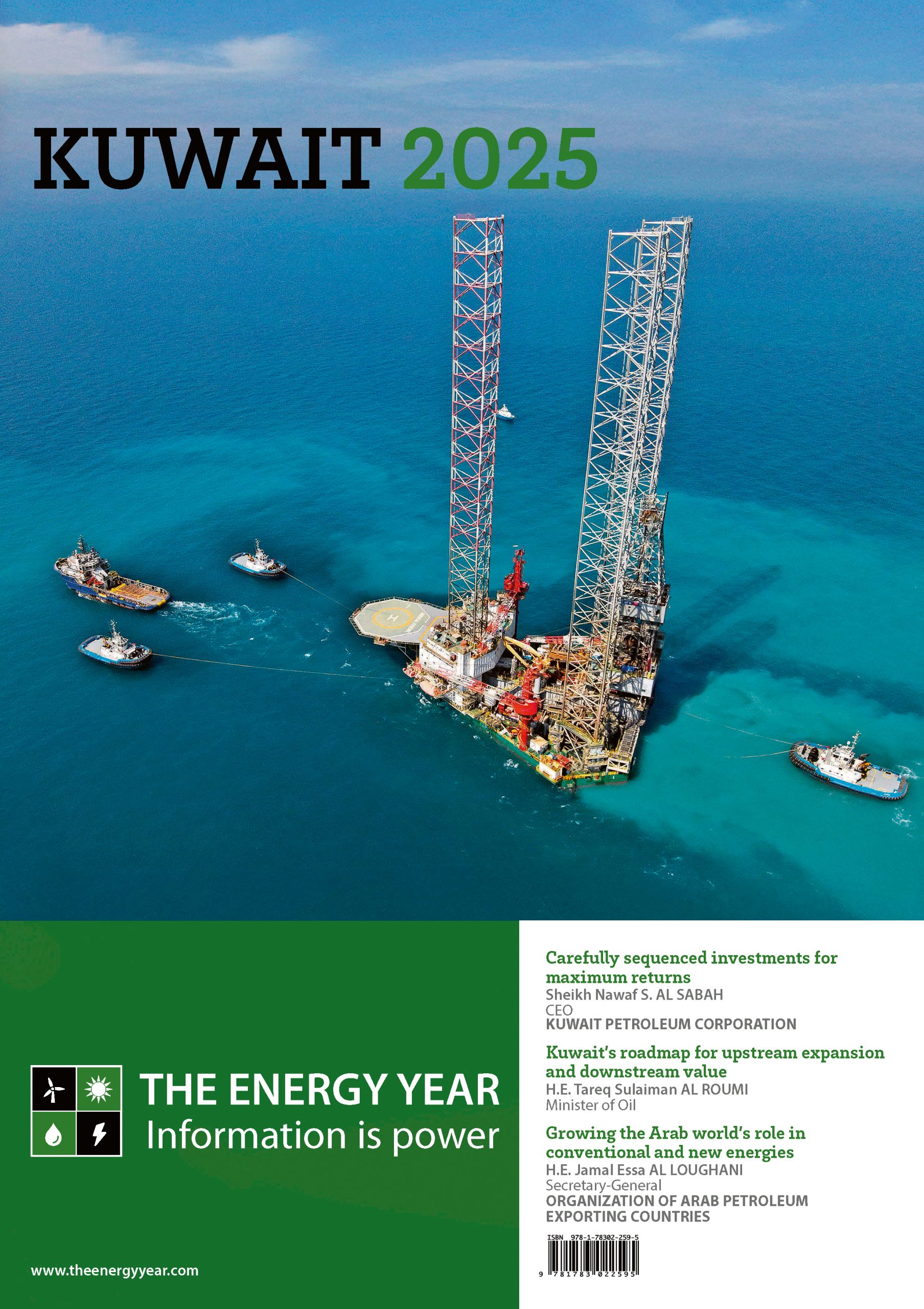
The Energy Year Kuwait 2025
The Energy Year Angola 2025
The Energy Year Nigeria 2025
The Energy Year Saudi Arabia 2025
The Energy Year UAE 2025

