
The value of reinforced thermoplastic pipe for Colombia
February 4, 2025 Colombia


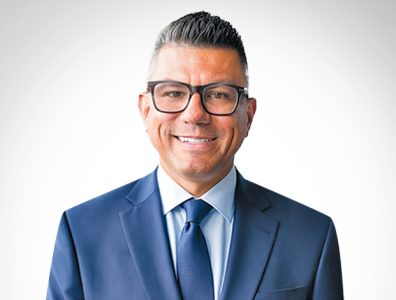
Mario Candela, CEO of Imantt Solutions, talks to The Energy Year about its introduction of reinforced thermoplastic pipe (RTP) solutions into South America. Imantt Solutions executes engineering, procurement and construction projects with RTP systems for hydrocarbon transport and rehabilitates existing pipelines with RTP pipes and polymeric liners.
How unique is Imantt regarding the company’s introduction of RTP solutions?
We made a strong commitment to be a key lever in transforming the industry from an infrastructural point of view. We are proposing that companies migrate to non-metallic materials. This has a number of advantages in terms of sustainability, and it also helps clients reduce maintenance costs and improve energy consumption.
Since our inception, our goal was to introduce a disruptive solution to the industry. Today we are a benchmark and pioneering company in South America in the supply and installation of RTP flexible pipe systems for the transportation of hydrocarbons. In other words, we are a leading company in the transformation of non-metallic infrastructure in the energy sector through the implementation of innovative, flexible and sustainable pipe solutions.
In the last 15 years, we have gone from being a mere developer of products manufactured by third parties to a full-fledged EPC company. We meet customers, see their needs, seek the most appropriate materials for their project and make the most suitable design for them.
After understanding the client’s needs, we go to the market to find the best cost-benefit solution. We find out where and how products are manufactured, considering materials and standards. We are talking to European, American and Middle-Eastern manufacturers. We then deliver the project in the required timeframe.
How has RTP technology become a standard in the industry, and what benefits does it bring?
We were the first company to bring RTP flexible pipe systems to Latin America. It was not easy, as there was no culture of using these pipes. The main challenge was to break the paradigm of using metallic infrastructure.
Today the use of non-metallic infrastructure is not the future; it is the present. We have done training work for our customers to normalise RTP technology, which is now an industry standard. We have earned the trust of our customers, fulfilling everything we have promised from the beginning.
Our first customer was Ecopetrol in 2012, for whom we installed a 1.2-kilometre RTP system in Huila. That line is still running with no incidents.
This type of flexible pipe offers an array of benefits. Its installation is way faster and easier to install, reducing installation costs. Moreover, it is more resistant; it does not corrode. Consequently, maintenance is practically zero, and it minimises operation disruptions. Lastly, RTP has a very low environmental impact, as these pipes are made with 100% recyclable materials and can be reused at any given time. This taps into the circular economy concept.
What key projects have you carried out, and to what extent do you want to embrace gas opportunities?
In the last five years, we have shifted from crude oil and focused more on natural gas. Given our quick and effective solutions, many industry players have started to replace larger transportation lines with smaller, flexible pipelines.
A few years ago, we worked for Cenit to install four flexible pipelines at one of their problematic points. Interestingly, what started as a temporary installation ended up being a long-lasting solution. We have also worked with tier-one midstream players such as TGI [Transportadora de Gas Internacional] and Ocensa.
In offshore gas, the use of flexible pipelines is already a standard. Because of the resistance and mechanical strength of the pipe, flexible pipes are used not only to transport the fluid but also to protect the umbilical cables that connect the platforms.
In fact, in 2014 we installed an offshore flexible pipeline at Lake Maracaibo, although not at great depth. The line covered a total distance of 68 kilometres and required the installation of pipelines of varying diameters, including 3 inch, 4 inch and 6 inch. There are many opportunities in Latin America in the offshore sector, and this definitely includes offshore gas in Colombia.
Tell us about the bet Imantt is making on technology such as Drone Guard.
As a disruptive company, we started seeking the latest technologies, such as AI, robotics, drones and gas-detection cameras, to apply them to our infrastructure. Our rationale was to implement these technologies to develop O&M [operations and maintenance] programmes.
We have a special technology called Drone Guard, which offers specialised inspection services for pipelines, oil pipelines and tanks using cutting-edge drone technology. With a current fleet of five drones, our innovative approach integrates AI platforms to provide early leak and emergency alerts, enabling quick and efficient decision-making to avoid hazardous situations.
These drones also allow us to carry out comprehensive inspections, as they are equipped with high-resolution cameras and advanced sensors that detect any anomaly or potential issues.
Moreover, the data collected by our drones is transmitted in real time to the pipeline operator, providing critical information for informed decision-making and corrective action planning. Thus, our inspection services help prevent accidents by proactively identifying and addressing safety and infrastructure integrity issues.
Apart from this, we are now introducing visual computing. We have just partnered with one of the top companies in the development of image-based AI from the USA, and we are implementing this high-tech solution for oil and gas.
With it we can monitor the infrastructure we install, and by using visual computing, we can handle large volumes of images that no human group could handle at that speed. We are currently doing pilots to implement this technology.
What internationalisation scheme does Imantt currently have in place?
We have established an office in the USA, and we are consolidating our strong presence in Colombia. We are still present in Venezuela, where we continue to give support to the lines we installed. The same goes for Peru and Ecuador, where we are still present, and we also see plenty of potential in Guyana.
Moreover, we have a sister company called Plate-Guard, which develops plastic plates to protect pipes against damage from third parties. It was a product that was developed according to a need in Colombia, as customers such as Cenit had their pipelines threatened.
As a response we developed a polyethylene plate that can withstand the impact of a backhoe, and it’s very easy to install. We are looking at potential markets such as Chile and Australia. We already have representatives in Ecuador, while Colombia has been the star market for this solution. There are plenty of markets that require our solutions, and we are open to expanding.
Read our latest insights on:
-
-

-

O&M leadership in mining and energy
INTERVIEW
More content from Colombia


Quality seismic decisions for Angola
INTERVIEW
Latest news and features




Latest Reports


The Energy Year Oman 2026
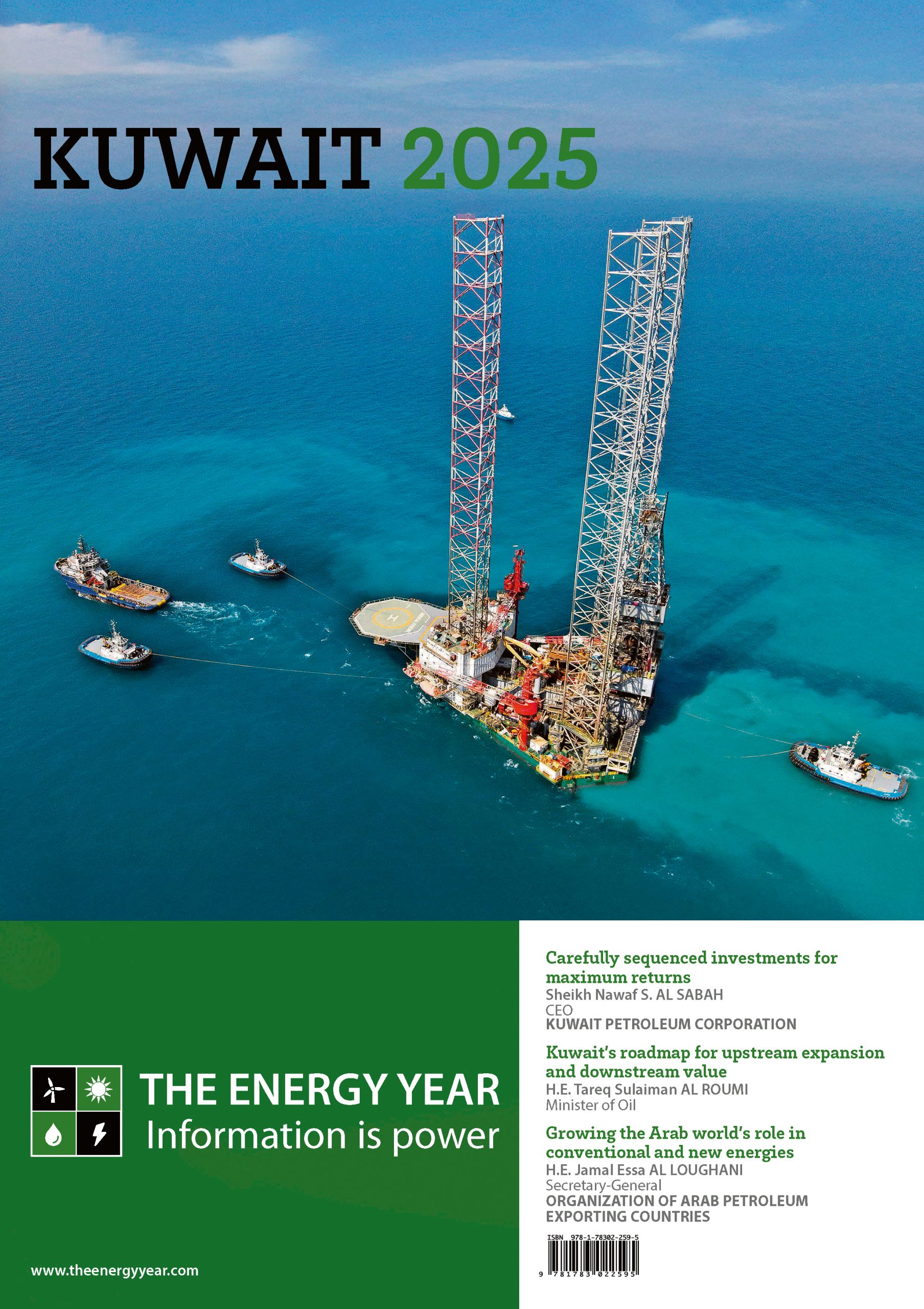
The Energy Year Kuwait 2025
The Energy Year Angola 2025
The Energy Year Nigeria 2025
The Energy Year Saudi Arabia 2025
The Energy Year UAE 2025

