
Eni signs $1.5-billion deal with Ghana to boost oil production
 Ghana
Ghana 


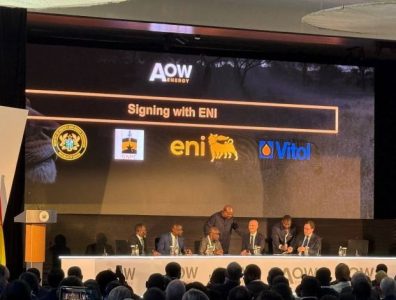
ACCRA, September 16, 2025 – Eni and its Offshore Cape Three Points (OCTP) partners Vitol and Ghana National Petroleum Corporation have signed a USD 1.5-billion deal with the Government of Ghana to increase the country’s oil and gas production and promote sustainable energy initiatives, the parties revealed in a signing ceremony at the AOW conference in Accra, Ghana, on Tuesday.
The agreement was conducted between the Minister of Energy and Green Transition and the Minister of Finance and representatives of Eni and Vitol in the presence of Ghana’s president, John Dramani Mahama.
The deal aims to develop a comprehensive investment plan to provide reliable, affordable and low-impact energy access, ushering in a new dawn of growth for Africa and Ghana. Key initiatives include potentially raising OCTP project production capacity by integrating offshore and onshore upgrades to meet growing domestic energy demand.
The collaboration will also assess exploration activities and the new development potential of the Eban-Akoma field in Cape Three Points Block 4, which was declared commercial in July 2025 and is expected to become a major supply source utilising existing infrastructure for faster market delivery.
Eni and its OCTP partners have invested over USD 10 million in social programmes benefiting more than 10,000 people in education, clean water access, health, hygiene and local economic support. A second phase will expand these initiatives and introduce services to develop micro, small and medium-sized enterprises.
Eni has been active in Ghana since 2009 through offshore hydrocarbons exploration and production, with an equity output of around 34,000 boepd. It holds a 44.4% stake in the OCTP project alongside Vitol (35.6%) and GNPC (20%).
Since 2018, OCTP has produced over 107 million barrels of oil and 13.6 bcm (480 bcf) of gas, meeting roughly 70% of Ghana’s gas demand for power generation. The joint venture also runs programmes in training, economic diversification, water and sanitation access, and energy inclusion.
Read our latest insights on:




Quality seismic decisions for Angola
INTERVIEW
Latest news and features


Latest Reports


The Energy Year Oman 2026
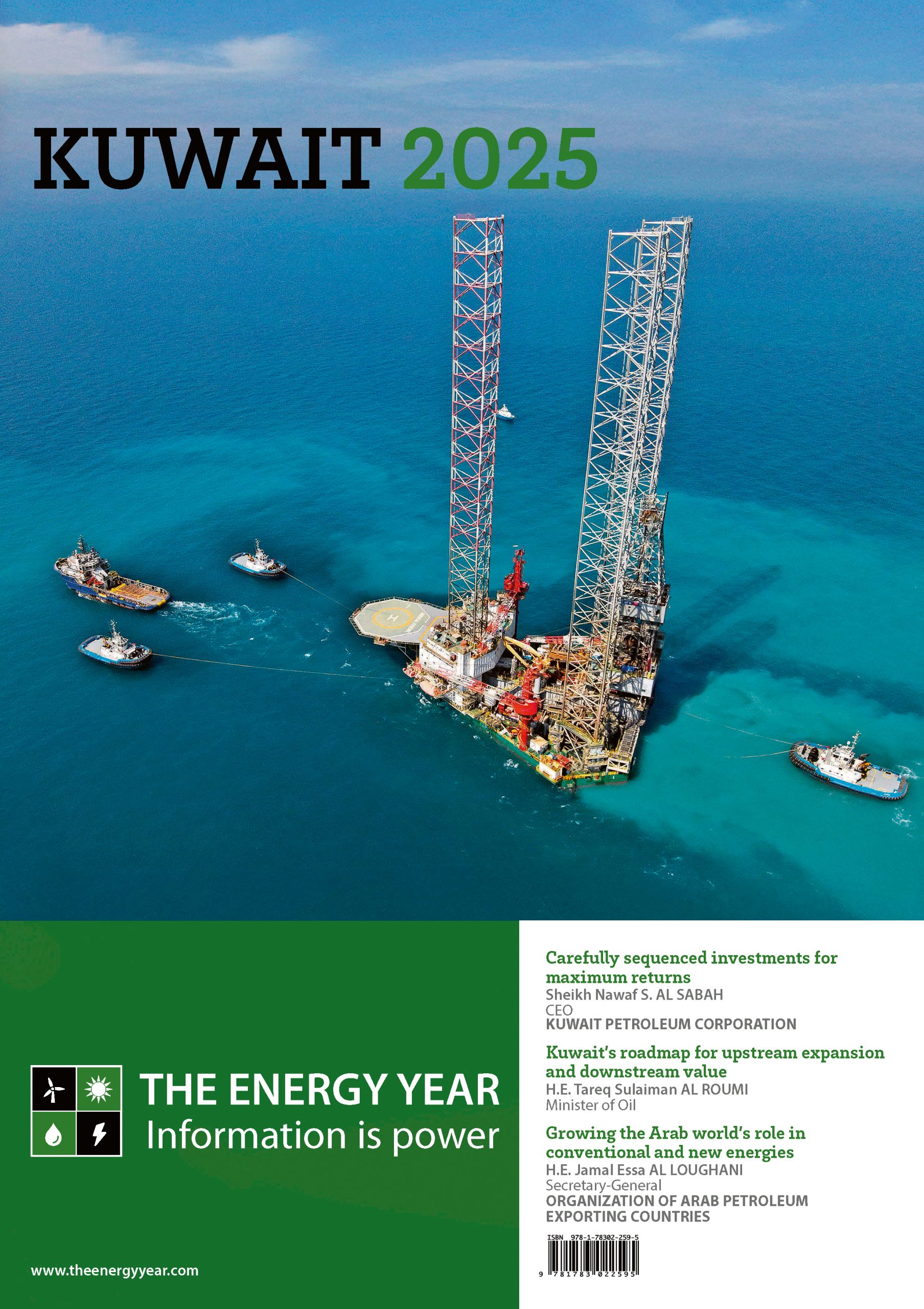
The Energy Year Kuwait 2025
The Energy Year Angola 2025
The Energy Year Nigeria 2025
The Energy Year Saudi Arabia 2025
The Energy Year UAE 2025

