

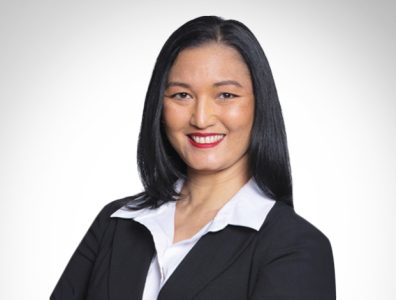
International experience
September 3, 2024 Trinidad and Tobago


Deborah Benjamin, managing director for ASCO in Trinidad and Tobago, talks to The Energy Year about the company’s key areas of involvement in the country and how the Group’s international experience benefits development projects throughout the region. ASCO is a provider of logistics and materials management services for onshore and offshore oilfields.
This interview is featured in The Energy Year Trinidad & Tobago 2024
How can international companies further the development of Trinidad and Tobago’s energy market?
The benefit of working with international companies and multinational operators is that they bring exposure to a standardised way of working. To work with those companies, you need to be able to understand the way they work and their standards.
While the systems and overall work culture of a multinational company may seem confining because the structures are rigid, they are there for a reason – you maintain standardisation with an expectation of getting the same quality consistently. This is how ASCO Trinidad and Tobago benefits from being part of a larger global Group and is able to bring that standard of work to the local industry.
What are ASCO’s key areas of activity?
ASCO primarily provides service to the upstream energy industry. We have been involved in projects with a lot of the major operators. We expanded our footprint into Suriname to support drilling activities for the most recent findings in Block 58. Our strength has always been providing logistics services to the offshore operators in drilling, production and materials management.
We bring knowledge and capabilities from our headquarters in the UK, where the company has expanded into supporting renewable energy projects including sustainable fuels, offshore wind and CCUS.
How is ASCO positioned to facilitate green energy developments in Trinidad and Tobago?
Wind energy projects in the North Sea have provided our company with a wealth of knowledge and experience that we hope to soon bring to Trinidad and Tobago, and the wider Caribbean region, when those projects begin. The Group has experience with these types of projects and we can draw from that instead of having to study and develop it here from scratch.
We have received very positive feedback regarding how we can partner with clients or organisations that want to take the lead on wind energy projects.
This also resonates with our corporate sustainability commitment of being a net-zero greenhouse gas (GHG) business by 2040. In the UK, we are switching our vehicles to electric, use hydrogen-treated vegetable oil (HVO), in our trucks and cranes and use renewable energy across all our facilities, which overall has reduced our carbon emissions dramatically.
How prepared is ASCO to provide services as Trinidad explores deepwater developments?
Deepwater is another area in which we can draw from our international experience. In countries such as Norway, the UK and Australia, we are very experienced in this area, and that experience feeds the rest of the group. In Trinidad, we can support operators who are conducting deepwater exploration and, furthermore, from experience we know how to do it safely.
What challenges does the region face in developing an integrated energy industry?
There is potential for integration between Guyana, Suriname, Jamaica, Barbados, Trinidad and Tobago, and even some of Latin America. If we focus on the Caribbean region, the CSME [Caribbean Single Market and Economy] has provided certain categories of technical personnel free movement across the region. We need to look at expanding these categories as we try to export our energy services and capabilities from Trinidad.
We also recognise that this integration must be done in the context of supporting and developing local content in each location, so ultimately an overall regional resource development of the sector is achieved.
Another factor is the high investment costs for industry-specific equipment. Finding solutions for ways to facilitate the movement of equipment more efficiently increases the ability to spread the investment costs over a larger region of work. When equipment is not being used in one country, we can look at simpler ways of transferring it to another, because excess capital to invest in brand-new equipment to set up a project isn’t always available, especially as some projects are temporary.
Read our latest insights on:
More content from Trinidad and Tobago





Quality seismic decisions for Angola
INTERVIEW
Latest news and features



Latest Reports


The Energy Year Oman 2026
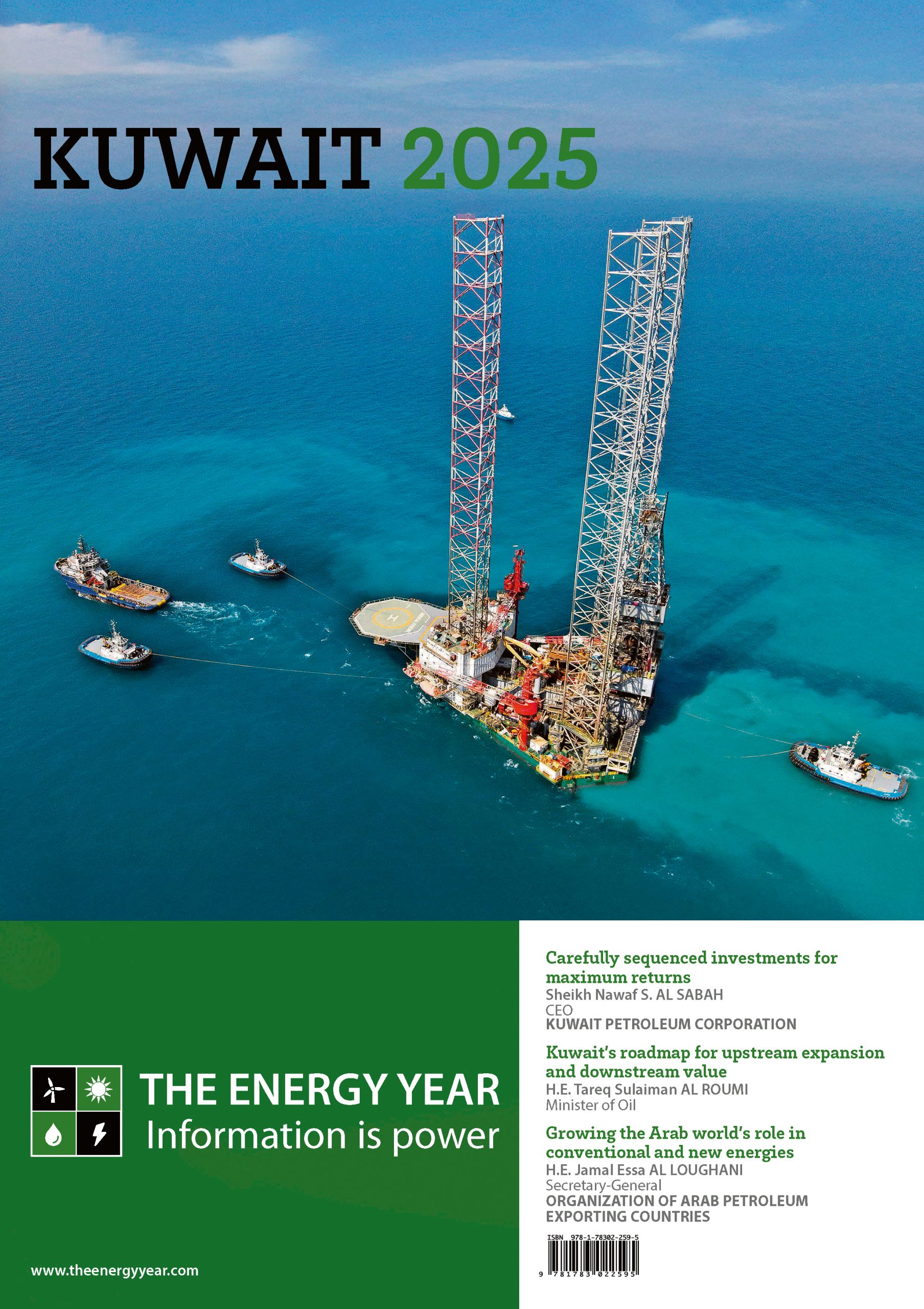
The Energy Year Kuwait 2025
The Energy Year Angola 2025
The Energy Year Nigeria 2025

The Energy Year Saudi Arabia 2025
The Energy Year UAE 2025

