


Strategic priorities for the UAE’s energy transition
February 19, 2025 UAE
UAE 


UAE Minister of Energy and Infrastructure H.E. Suhail Mohamed Al Mazrouei talks to The Energy Year about the UAE’s emphasis on technological advancement for achieving economic diversification and sustainability goals, and capitalising on the country’s natural advantages for producing low-carbon hydrogen. The Ministry of Energy and Infrastructure is the governmental body of the UAE’s Cabinet that oversees the energy, infrastructure, housing and transportation industries.
This interview is featured in The Energy Year UAE 2025
How are the strategic priorities of the Ministry of Energy and Infrastructure aligned with the UAE Centennial 2071 plan?
In the UAE, we are blessed with exceptional leadership that is taking our country to new heights. The UAE Centennial 2071 plan lays out a comprehensive blueprint for the future, focusing on long-term sustainability, technological advancement and global leadership. It aligns the country’s resources and efforts towards creating a competitive, innovative and resilient nation ready to face the challenges of the future.
The Ministry of Energy and Infrastructure’s strategic priorities are deeply intertwined with the UAE Centennial 2071 plan, particularly through the development and modernisation of the electricity market. This alignment is evident in several key areas, including sustainability, as the ministry is committed to enhancing energy efficiency and increasing the share of renewable energy in the electricity market.
This supports the UAE Centennial 2071 goal of creating a sustainable environment and infrastructure. By investing in solar, wind and other renewable energy sources, the UAE aims to reduce its carbon footprint and achieve climate neutrality by 2050. The electricity market’s shift towards cleaner energy sources is a cornerstone of this strategy, ensuring long-term environmental sustainability.
Moreover, the ministry’s focus on innovation within the electricity market aligns with the plan’s emphasis on technological advancement. Initiatives such as smart grids, energy storage solutions and digitalisation of the electricity market are designed to make the energy sector more resilient and adaptive to future needs. These innovations not only improve efficiency but also position the UAE as a leader in cutting-edge energy technologies.
What are the ministry’s main goals concerning renewable energy growth for the coming five years?
Investing in renewables is the only viable solution to many of the challenges the world faces today, such as energy poverty and climate change. Renewable energy presents numerous benefits, including significant reductions in greenhouse gas emissions, greater energy security through source diversification, job creation and economic prosperity.
Under the UAE Energy Strategy 2050 and the UAE’s Net Zero 2050 Strategy, the UAE aims to triple renewable energy by 2030. We seek to reach a total capacity of 14.2 GW by 2030. Today, the UAE is home to three of the world’s largest single-site solar plants, with many other mega-projects under development.
To achieve our ambitious targets, we are seriously exploring the development of storage capacity to address renewable intermittency. As we integrate more renewable sources, which are variable by nature, having robust storage is critical to maintaining a stable and reliable energy supply.
Which are the key pillars of the UAE’s National Hydrogen Strategy, and which are the key challenges to becoming a top global producer of low-carbon hydrogen by 2031?
The UAE’s National Hydrogen Strategy aims to position the country as a global leader in the production and export of low-carbon hydrogen by 2031. The strategy is designed to capitalise on the country’s natural advantages, including abundant renewable energy resources, such as solar, and its growing expertise in the energy sector.
It targets the production of 1.4 million tonnes per year (tpy) by 2031 and 15 million tpy by 2050, with a focus on reducing emissions in hard-to-abate sectors by 25% by 2031. Key industrial hubs such as Khalifa Industrial Zone, Ruwais, Jebel Ali, Sharjah and Fujairah are set to meet nearly 10 million tpy of demand, supporting low-carbon transitions in sectors such as steel, cement and heavy transport. The strategy also plans for two hydrogen “oases” by 2031, expanding to five by 2050 to enable clean electricity and industrial applications.
Key challenges facing the hydrogen industry include high production costs of low-carbon hydrogen, particularly green hydrogen, necessary technological advancements and efficiency, infrastructure development, transportation, regulatory and policy alignment, and market demand and adoption.
To overcome these challenges, the National Hydrogen Strategy has identified key enablers that include policy, regulation, and standards; finance and investments; industry development and demand activation; global collaboration; resources and assets; climate, safety, and social drivers; enabling infrastructure; research and innovation; sustainable commercial and economic models; and skills and education.
These enablers are critical for boosting the UAE hydrogen economy and realising the full potential of hydrogen as the energy source of the future.
What is the potential for CCUS projects to further drive decarbonisation efforts in the UAE?
The UAE is advancing CCUS technologies, a critical component of decarbonising sectors such as cement and steel manufacturing. Presently, the UAE captures 800,000 tpy of carbon dioxide, with ambitious plans for a tenfold expansion by 2030. CCUS supports our circular economy goals by recycling carbon emissions for use in other industrial applications, creating a model for sustainable industry transformation.
How can further investments in power generation and grid expansion enhance industrial development in the UAE?
Investing in power generation and grid expansion is crucial for enhancing industrial development in the UAE and supporting economic diversification. With industrial electricity demand growing on an annual basis, we are expanding the grid capacity to sustain the growth of energy-intensive sectors such as aluminium, steel and petrochemicals, which is contributing to our goal of increasing the industrial sector’s GDP share.
The UAE Energy Strategy 2050 and the National Hydrogen Strategy will mobilise over AED 200 billion [USD 54 billion] in clean energy investments by 2030 to meet the increasing energy demand and support the expansion of the industrial sector in the UAE by providing clean, sustainable and secure energy.
In addition, we are allocating investments for new transmission lines and substations, which will enable the integration of renewable energy. This expansion will facilitate the development of hundreds of new factories to ensure the UAE remains competitive in attracting foreign direct investment. Additionally, resilient and smart grid technologies will support advanced manufacturing, data centres and AI-driven industries, contributing to the UAE’s GDP and creating more job opportunities.
What role does AI play in the ministry’s plans to leverage innovation to achieve its strategic objectives?
AI is a cornerstone of the ministry’s strategy to drive innovation and achieve our national objectives in energy efficiency, infrastructure resilience and sustainability. AI plays an important role in optimising energy consumption, forecasting demand and enhancing grid management. Now, we are implementing the first microgrid project in government buildings, utilising AI technology to link the buildings together to share their data, optimise energy consumption and increase the share of renewables.
This is contributing to our goal of improving energy efficiency by up to 45% by 2050. AI is also instrumental in integrating renewable energy into the national grid, ensuring grid stability.
As part of our commitment to the UAE Net Zero Strategy 2050, AI allows us to track emissions in real time, model carbon reduction strategies and drive decarbonisation across industries. AI further enhances infrastructure management by supporting predictive maintenance, allowing the ministry to monitor and manage all federal assets, anticipate maintenance needs and optimise costs.
In the mobility sector, we can leverage AI to analyse the usage patterns of EV chargers to forecast demand and plan for future charging infrastructure in suitable locations, reinforcing the UAE’s transition to sustainable transport.
How are infrastructure projects assisting the UAE in becoming recognised as a global innovation and excellence hub?
Infrastructure projects in the UAE are key drivers of the country’s ambition to become a global innovation and excellence hub. By focusing on sustainable, smart and digital infrastructure, the UAE is not only addressing its current needs but also future-proofing its economy.
Investments in transportation, energy, technology and research are helping the UAE build a competitive, forward-thinking environment that attracts global talent, businesses and investors. As these projects continue to evolve, they solidify the UAE’s position as a pioneer in global innovation, sustainability and excellence.
Examples of these projects include increasing the penetration of district cooling and other energy-efficient systems, implementing large-scale retrofitting of public and private buildings, adopting advanced technologies such as 3D printing and green construction and expanding the infrastructure supporting electric vehicles, autonomous transport and efficient public transit.
Read our latest insights on:
-

How the UAE is building its future
INTERVIEW -

-

More content from UAE


Quality seismic decisions for Angola
INTERVIEW
Latest news and features



Latest Reports


The Energy Year Oman 2026
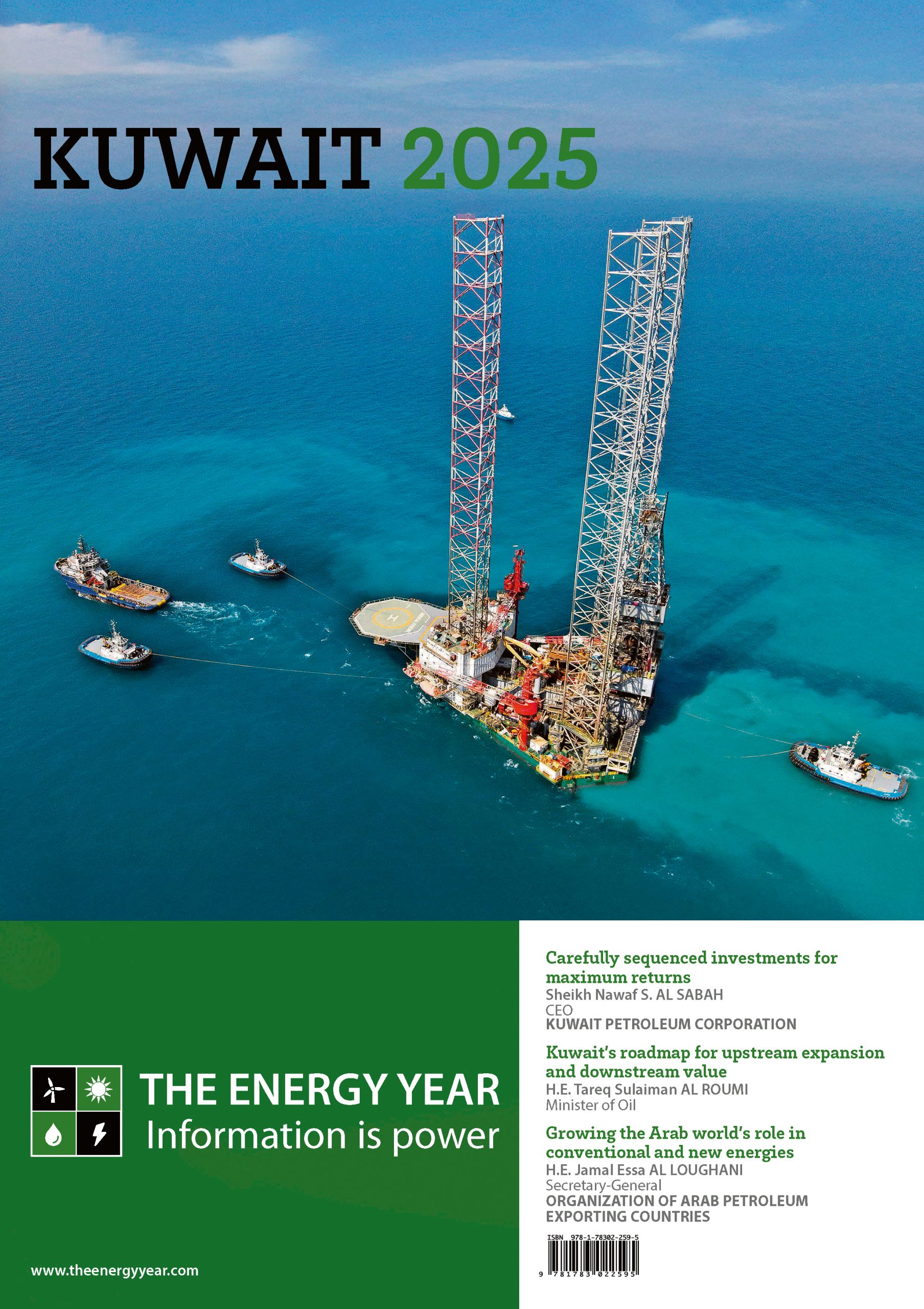
The Energy Year Kuwait 2025
The Energy Year Angola 2025
The Energy Year Nigeria 2025
The Energy Year Saudi Arabia 2025
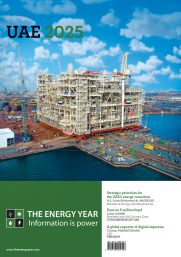
The Energy Year UAE 2025

