
The importance of hot tapping in Colombia
February 4, 2025 Colombia


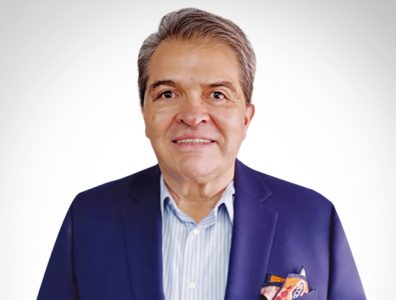
Victor Manuel Nieto Gómez, CEO of Rhema International, talks to The Energy Year about the company’s position in Colombia’s EPC landscape, the need for hot tapping in the country and its new technologies and methods that enhance efficiency and safety. Rhema International provides specialised services in the hydrocarbons, petrochemicals, water and energy sectors.
Where does Rhema International stand in the EPC landscape in Colombia?
We began as a hot-tapping and line-stop services company and later transitioned to offering EPC services. Our clients guided us in this shift, and we now handle mechanical, civil, electrical and instrumentation construction projects.
Our main clients include Ecopetrol, Cenit, TGI Power, Promigas and EPM [Empresas Públicas de Medellín]. We have completed projects valued at up to USD 50 million, demonstrating our capacity to manage large-scale endeavours and provide turnkey solutions that cover the entire project lifecycle from A to Z.
We subcontract certain services, such as machinery rental, due to the logistical challenges of transporting equipment to remote regions. Projects are often too far away to bring our own machinery, so we rent machinery and vehicles locally. This approach also supports local communities, which is important in Colombia given the delicate nature of community relations.
What is the need for hot tapping, considering that the pipelines in Colombia need maintenance?
Providing hot-tapping service is critical in Colombia and is driven by the country’s unique geography and infrastructure challenges. As the leading specialist in this field, our comprehensive equipment portfolio covers all necessary diameters and axes for hot tapping and line-stop operations, featuring specific tools tailored for drilling and plugging each pipeline size.
Colombia’s terrain is predominantly rugged mountains, through which pipelines must be laid. Climate change has intensified movements and alterations in the earth’s surface, impacting pipeline stability. The country’s expansive territory, coupled with its challenging topography of three mountain ranges, creates a complex network for fuel and gas transportation.
This environment presents a significant market opportunity for our specialised services, ensuring continuous and safe pipeline operation to deliver essential resources to homes, businesses and vehicles nationwide.
What new technologies and methods are you applying to make your services more safe and efficient?
We have developed new designs for shuttering, implementing double sealing to prevent any leakage. Many of Colombia’s pipelines are ageing. Some are 30, 40 or even 50 years old and pass through mountainous terrain prone to significant corrosion due to water exposure and harsh vegetation.
The supply of gas and fuels to cities is critical. When the supply reaches its limit, urgent action is required to prevent shortages and ensure a continuous and reliable energy supply.
This is where our technology comes into play, as it allows us to perform live operations without interrupting oil and gas flows. This innovative approach ensures operations are conducted without any environmental impact or financial burden to our customers or company.
Safety is paramount, and our 25-year accident-free record underscores our commitment to meticulous planning and execution in all interventions, especially under high-pressure conditions such as those found in pump operations.
This stringent approach guarantees that all safety protocols are met without compromise, ensuring reliability and operational excellence, and this is the main reason our customers feel they can rely on us.
What projects have you been working on in the last months?
We are nearing the completion of three projects in Acacías along the Orotoy River. Thes projects involve around 2-3 kilometres of pipelines. Now we are starting a project in the Rubiales field.
We have a framework construction contract with Ecopetrol. That framework construction contract was for five years, and now we have renewed it for five more years, which includes all new constructions.
At the Barrancabermeja Refinery, we did the wastewater treatment plant project in 2022 amidst the challenges posed by the pandemic. We constructed concrete and steel tanks, installed piping and instrumentation, and managed electrical distribution.
Which international companies do you represent here in Colombia?
We represent PLIDCO Corporation and Weldfit Corporation, along with two smaller American companies in the piping sector. PLIDCO Corporation, for instance, has been around for more than a century and specialises in manufacturing unique clamps designed to contain spills. Having this representation is significant because it includes clamps capable of facilitating immediate hot taps and diversions.
What is your growth strategy in the country and in the region?
We’ve been exploring opportunities in Peru, Ecuador and other countries, but it hasn’t been straightforward. We’ve received inquiries from Mexico, Venezuela and Costa Rica as well. However, considering our established presence here, why would we venture elsewhere? Dealing with the complexities of Ecuador and Peru, including intricate legislation and widespread demands for payments, adds to the challenges.
Instead, our primary focus lies in solidifying our operations in Colombia. We’re collaborating closely with Ecopetrol on a project aimed at reducing carbon emissions. Additionally, we’re actively pursuing carbon-neutral certification.
We understand the importance of contributing to reducing Colombia’s global carbon impact, which is currently at a modest 0.6%, but we think we can lower it to 0.2% or below. Our efforts are concentrated on advancing specific technologies to achieve such goals.
Read our latest insights on:
-
-

-

O&M leadership in mining and energy
INTERVIEW
More content from Colombia


Quality seismic decisions for Angola
INTERVIEW
Latest news and features



Latest Reports


The Energy Year Oman 2026
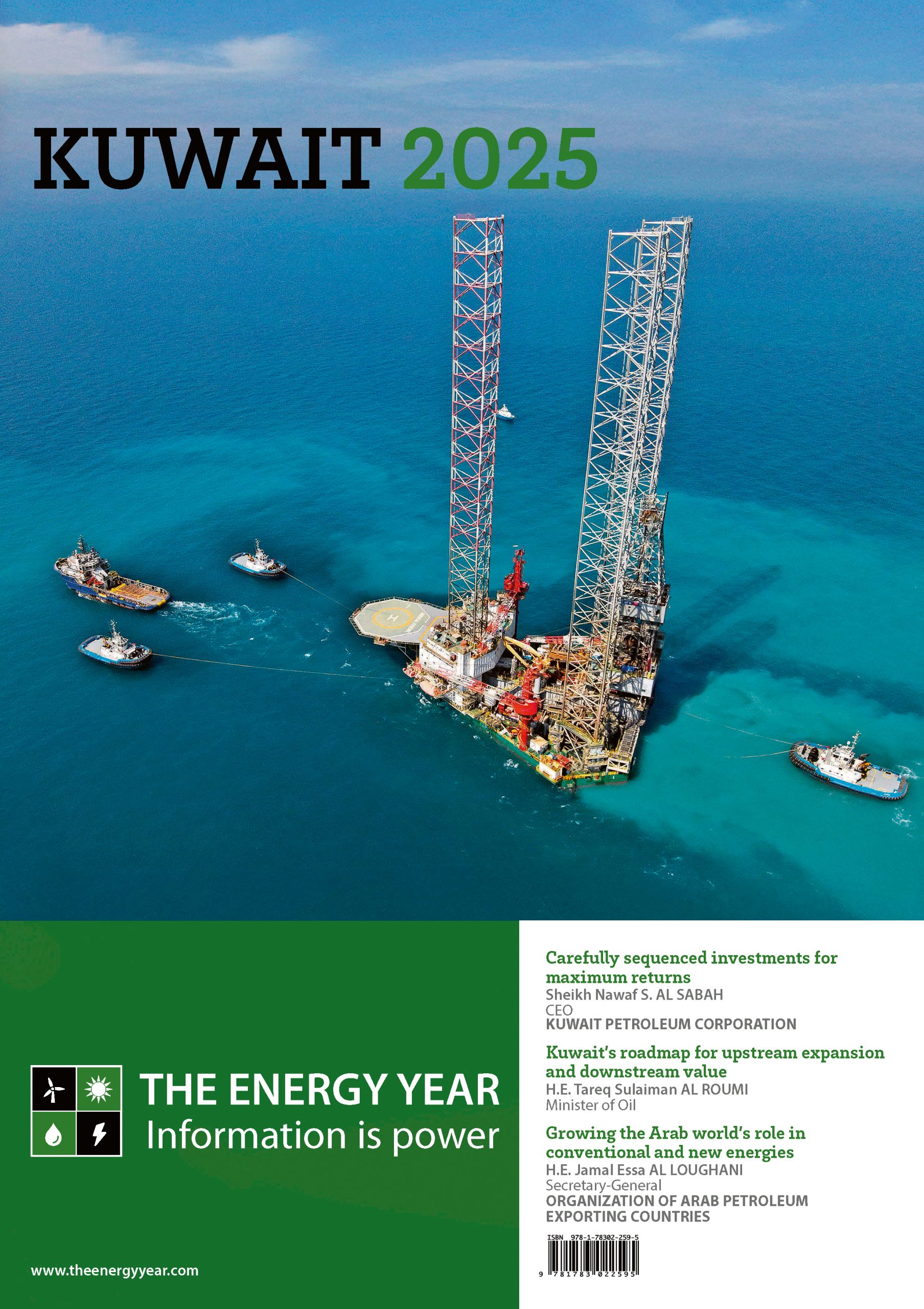
The Energy Year Kuwait 2025
The Energy Year Angola 2025
The Energy Year Nigeria 2025
The Energy Year Saudi Arabia 2025
The Energy Year UAE 2025

