

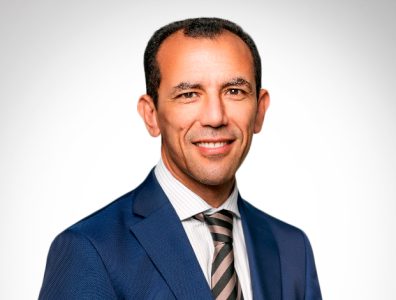
Oman’s LPG pioneer eyes LNG growth
January 15, 2026 Oman
Oman 


Rachid Majjad, CEO of National Gas Company, talks to The Energy Year about integrating LNG into the company’s Omani operations and plans to grow LPG activities in Saudi Arabia and the UAE. National Gas Company is a supplier of LPG volumes, engineering services and equipment for gas processing and transportation.
What role is National Gas Company playing in the expansion of Oman’s LPG sector?
National Gas is celebrating its 46th year and has been a pioneer in Oman’s LPG sector; we built the country’s first LPG plant. Over the past two years, I have lobbied for accountability, safety and branding in the LPG cylinder business. Oman had no branding, meaning no responsibility or traceability – something rare among the 82 countries that operate LPG markets.
After two years, new regulations have been approved by the Ministry of Commerce, Industry and Investment Promotion, our regulator since LPG shifted from the Ministry of Energy and Minerals. From January 2026, each company’s cylinders will have a unique colour, valve and regulator, in a major step towards household safety.
On the industrial side, we hold 80% of the bulk market in Oman, supplying LPG as feedstock to sectors such as steel, paper, glass, recycling and food. Many customers choose LPG over natural gas. Subsidised pricing makes LPG the most attractive fuel in Oman today, and this advantage has made Sohar Port and Freezone increasingly appealing to Indian, Turkish and European investors.
We also have energy transition projects. We have signed an MoU with Abraj Energy Services to convert diesel generators at rig sites to a dual-fuel model using LNG, which will reduce carbon dioxide emissions by 30% and operating costs by 15%, and the diesel saved can be exported, generating revenues for Oman. We plan to retrofit the generators with specialised kits.
How far along is this LNG dual-fuel initiative, and what is the timeline for completion?
We plan to invest USD 100 million to build our own LNG production facility. It will source gas from OQ, liquefy it and distribute it to rig sites. Since rigs change locations, the regasification units, cryogenic tankers and associated equipment are all mobile. Abraj, which controls 50% of Oman’s rig market, is the anchor off-taker. Initially, we aim to supply 85 rigs.
Final pricing approval should arrive soon from Integrated Gas Company, the national natural gas operator. If approved, we will start construction in Q1 2026, with a two-year execution window. LNG in Oman is primarily exported and not readily available for domestic use, so this investment fills a strategic gap.
Is the company taking any steps towards expanding in the GCC and Asia?
We are in the final phase of qualifying for one of three LPG licences being offered by the Saudi Ministry of Energy. Out of 125 initial applicants, we are one of only eight companies still under consideration. An award would give us access to 1.3 million tonnes per year (tpy) of LPG and place us in competition with Gasco, the incumbent operator.
We have been carrying out engineering projects for LPG infrastructure in Saudi Arabia for 15 years and are now applying for a licence to market LPG. We are preparing a USD 250 million investment under a 50-50 joint venture with a local partner. We expect an answer by the end of 2025, after which there will be a two-year implementation timeline.
In Dubai, we have established a new entity and are navigating the licensing process, which has become stricter following regulatory reforms. Similarly, we have been in the UAE for 12 years and are reinforcing our footprint.
In Asia, we are the second-largest LPG player in Malaysia with a 24% market share after acquiring assets from Shell and subcontractors to Gas Malaysia on a 100-kilometre pipeline. Our targets are Vietnam and Indonesia. Indonesia imports 10 million tpy of LPG and presents interesting opportunities.
Have pricing regulations impacted the growth of the LPG sector in Oman?
Most countries operate with a floating LPG price and provide targeted subsidies. Oman subsidises both households and industry, which is not typical. The retail price of LPG in Oman has not changed for 30 years, despite rising salaries, tariffs and fuel costs. We have had to absorb a 49% increase in input costs without passing it on to consumers.
We self-finance our growth and co-invest with partners on a project basis. As a listed company, we have high compliance standards, and banks such as Sohar International, Ahli Islamic Bank and HSBC have consistently backed us. Still, we hope the ministry will consider tariff adjustments in 2026, as ours are long-term strategic projects aligned with national objectives.
Do you have plans to enter the hydrogen business?
We are monitoring it closely. I come from Air Liquide and have built hydrogen plants globally, so I understand the challenges. Today, the technology is not ready at scale, and most of the announced hydrogen projects have been withdrawn globally due to cost, technological constraints and tariff challenges.
Currently, the economics don’t favour hydrogen. LPG costs USD 3 per million Btu, natural gas is between USD 4-6, and diesel is around USD 16. Hydrogen remains much higher. Without carbon dioxide pricing mechanisms or carbon credits, hydrogen is not yet viable. But we expect breakthroughs in electrolyser efficiency and cost.
When conditions are right, we will be ready to participate. Oman has ambitious goals to produce more than 3 million tpy, but it’s still early. Once infrastructure is in place and projects are underway, we may enter. For now, we are working with different manufacturers to pilot hydrogen generators for future phases of our rig project.
Read our latest insights on:
More content from Oman





Quality seismic decisions for Angola
INTERVIEW
Latest news and features



Latest Reports
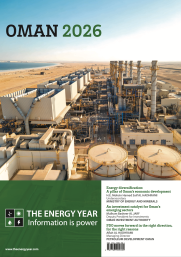


The Energy Year Oman 2026
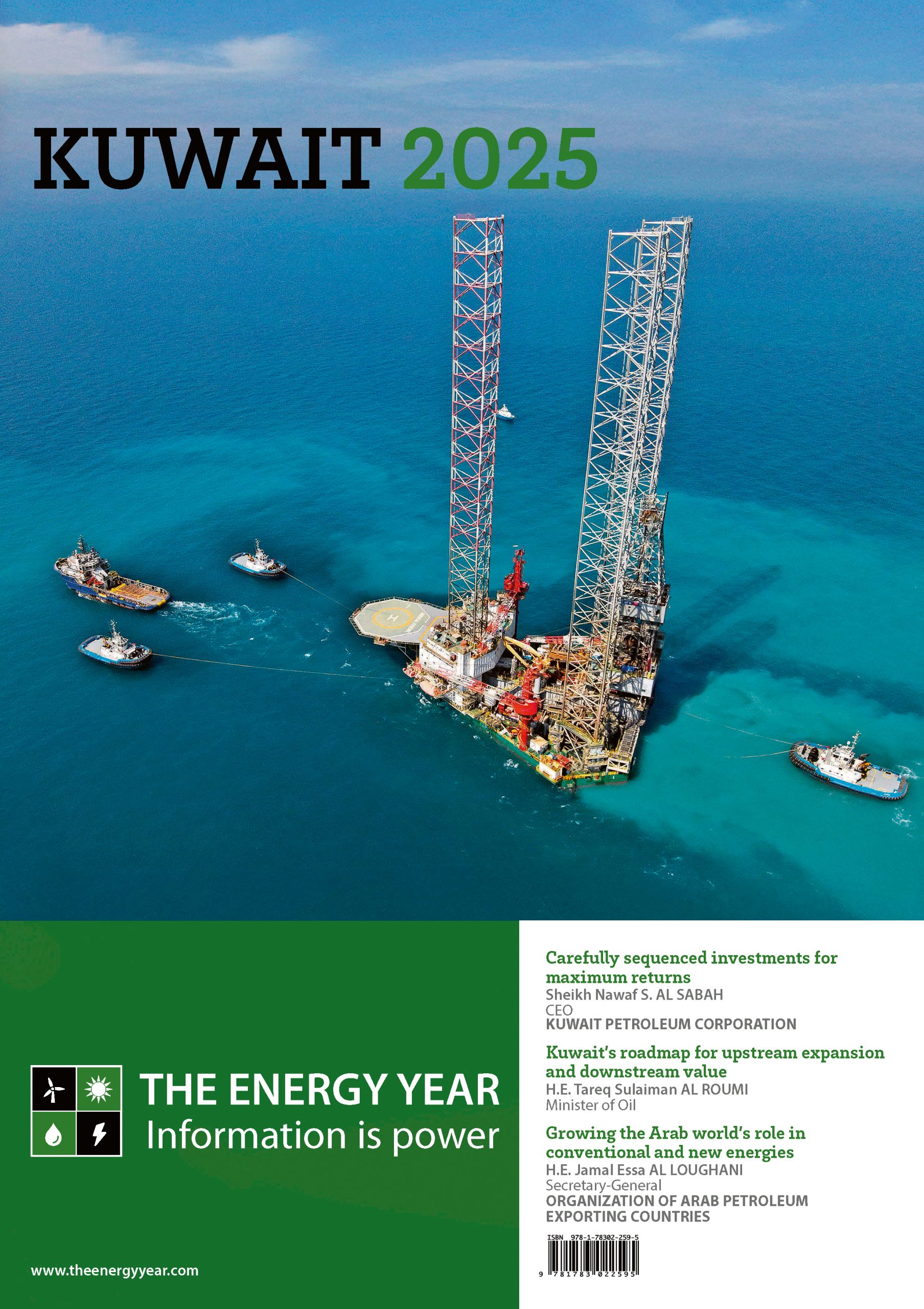
The Energy Year Kuwait 2025
The Energy Year Angola 2025
The Energy Year Nigeria 2025
The Energy Year Saudi Arabia 2025
The Energy Year UAE 2025

