
A dynamic approach to O&M
February 4, 2025 Colombia


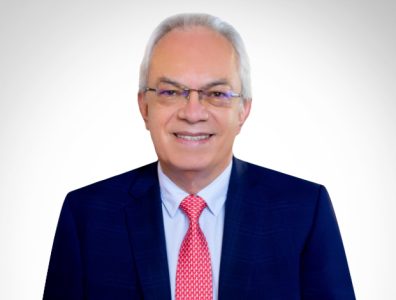
Reinaldo Rodríguez, regional vice-president of Magnex, talks to The Energy Year about the company’s competitive advantages in operations and maintenance services in Colombia and what technologies it implements into its services. Magnex, formerly Masa & Stork, provides fully integrated solutions for operations, maintenance, modifications and asset integrity.
What competitive advantages are you bringing to operations and maintenance services in Colombia?
We are a leader in the service sector of Colombia’s oil, mining and energy industries, where we prioritise excellence and safety in our processes and personnel. Our main focus is on operations and maintenance. We operate power plants by generating and selling electricity, and we manage our clients’ generation systems.
What distinguishes us is our ability to share knowledge and best practices we learn from our clients with other clients, especially regarding safety, which we consider our core value. A key factor in our success is our integration with local communities, as 95% of our employees come from the areas where we operate.
This has allowed us to develop a solid reputation and establish relationships of trust with communities, something that many foreign companies seek when partnering with us.
Our primary clients are Ecopetrol – with whom we have a strong partnership – Drummond and Cerrejón, and we are expanding our energy services through our work with Enel.
What types of technologies are you using in your services, and how do you implement them?
We have incorporated a variety of innovative technologies into our operations to improve the efficiency and safety of our services. For example, for refinery plant shutdowns, we’ve implemented remote control equipment to perform inspections in 40-metre-high reactors, significantly reducing the risks associated with personnel entry.
We use drones equipped with advanced technology to inspect pipelines in complex terrains and power lines, allowing us to detect leaks, external corrosion and other problems more efficiently and safely. We’ve developed our own patented software, called RTS, which allows us to monitor a large number of pieces of equipment and to optimise maintenance visits.
Furthermore, we’re constantly seeking new technologies and solutions to adapt to the specific needs of the industry and the country, recognising that implementing these innovations requires not only the technology itself but also the interest and willingness of clients to adopt them.
All these technologies are imported. In particular, we significantly benefit from our former affiliation with Stork and Fluor, which has enhanced our knowledge base and facilitated a rich exchange of expertise, allowing us to share our technology with them while also acquiring valuable innovations from them.
What are your main projects, and where is your company’s strategy heading?
Our strategy is evolving through new opportunities while we maintain our base in traditional sectors. We’re placing a strong emphasis on electrification and renewable energies, expanding our services beyond hydrocarbons generation to include wind and solar energy.
We’ve initiated this transition by working with Enel, who is a significant client for us not only in Colombia but throughout Latin America, to develop expertise in low and medium voltage. Regarding specific projects, we’re interested in renewing strategic contracts with Ecopetrol, especially in the central zone, where we can contribute significantly to facilities and refineries.
We’re also exploring opportunities in the field of decarbonisation to improve energy efficiency and reduce emissions in industrial operations.
Regarding geographical expansion, we’re actively looking at other Latin American countries, such as Chile, where we’ve been invited to work on plant shutdowns for ENAP [National Petroleum Company]; Peru, where we’ve participated in refinery shutdowns in Lima and Talara; and Mexico, a market that has recently opened up to us following the sale of Fluor.
In what ways are you contributing to the environment and local communities in Colombia?
We have adopted a gradual and pragmatic approach to contribute to sustainability and improve our impact on the world. We’ve started by addressing our own carbon footprint, achieving neutrality in our daily operations through offsets.
One of our most visible initiatives is the introduction of electric vehicles into our fleet, which covers approximately 20 million kilometres per year.
In the communities where we operate, we’ve implemented programmes such as the installation of eco-efficient stoves, which not only reduce emissions but also help prevent tree cutting for firewood. We recognise that education is fundamental for progress, so we’ve developed programmes such as “Learn with Magnex,” which has benefited over 4,500 children in Colombian communities.
This programme not only focuses on ethics and safety but also raises awareness about environmental issues, with the potential to indirectly influence families and broader communities.
Furthermore, we’re exploring more ambitious opportunities in the field of renewable energy by looking for ways to apply our experience in traditional energy generation to solar and hydrogen energy projects. We see decarbonisation not as a distant dream but rather as a near reality.
What does your rebranding from Stork to Magnex entail, and how does it affect your company’s future vision?
Our rebranding from Stork to Magnex represents much more than a simple name change for our company. It symbolises a new stage of independence and freedom to grow and expand. As we express it, it’s about moving from being part of a large holding where we couldn’t “fly,” to becoming a “condor” capable of soaring and embracing new horizons.
This change allows us to transcend our traditional services and adopt a broader purpose as a company. We’re seeking not only to grow in terms of business but also in terms of our positive impact on communities and the environment.
With our workforce of 8,000-10,000 direct employees, we estimate that our indirect impact reaches about 50,000 people, including families and suppliers. This gives us a sense of responsibility and the opportunity to positively influence areas such as education, sustainability and decarbonisation.
Our name Magnex, although it emerged after considering other options that reflected our Latin American identity (such as references to the Andes), maintains a link with our history by preserving the letters “MA” from Mecánicos Asociados (Masa), the company from which we emerged 40 years ago. This reflects our desire to honour our legacy while looking towards the future.
With this new identity, we are positioning ourselves to explore new opportunities in the Latin American market and in emerging sectors, such as renewable energies. We’re open to strategic partnerships with recognised companies in the industry, leveraging our experience in social and community management as a valuable asset.
Read our latest insights on:
-
-

-

O&M leadership in mining and energy
INTERVIEW
More content from Colombia


Quality seismic decisions for Angola
INTERVIEW
Latest news and features




Latest Reports


The Energy Year Oman 2026
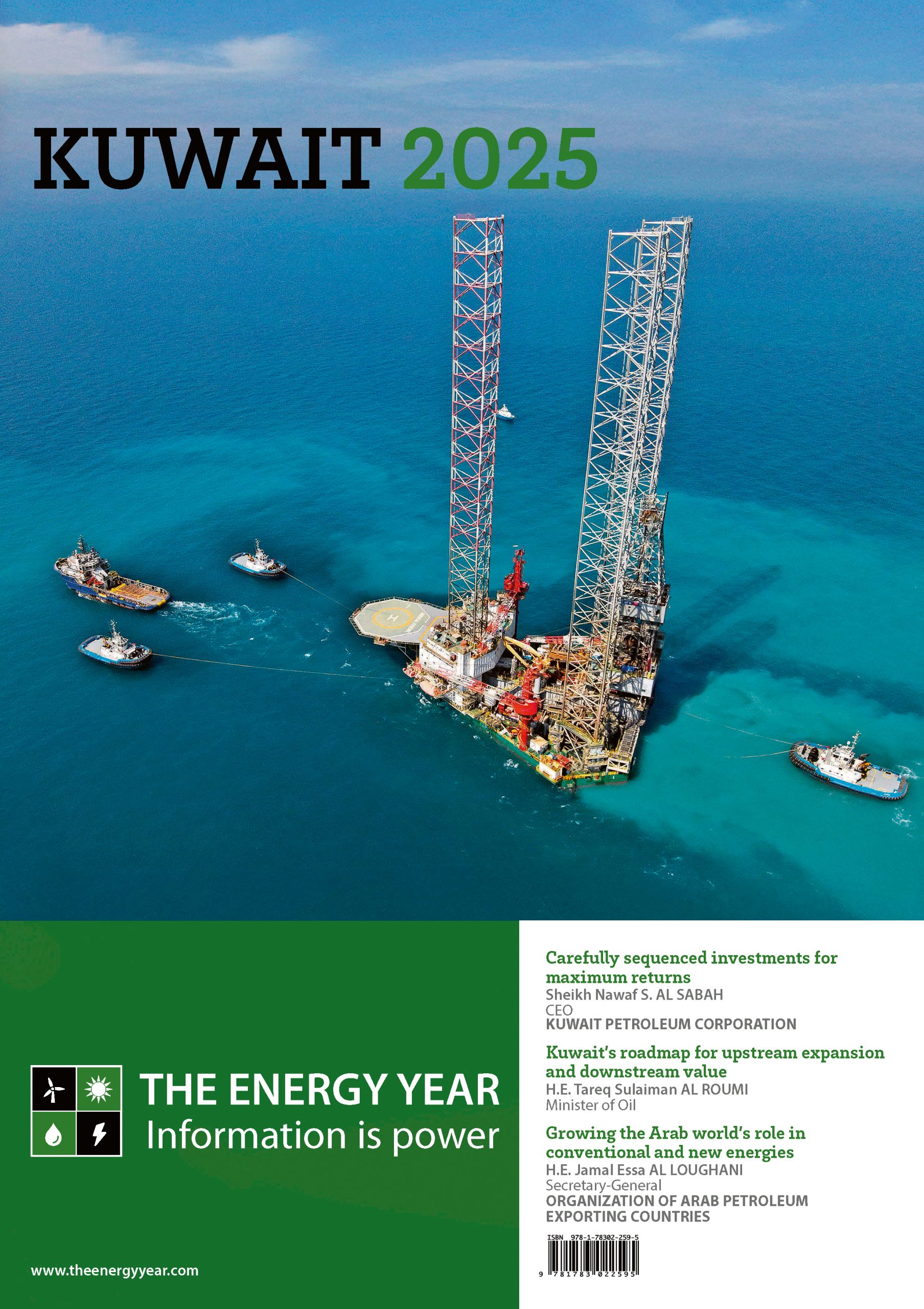
The Energy Year Kuwait 2025
The Energy Year Angola 2025
The Energy Year Nigeria 2025
The Energy Year Saudi Arabia 2025
The Energy Year UAE 2025

