
A petrochemicals powerhouse in the making
October 3, 2024 Kuwait


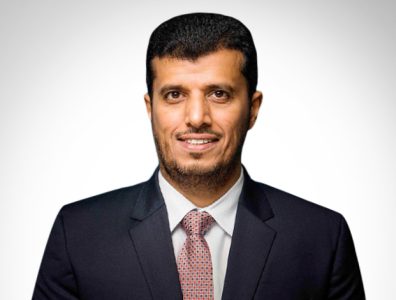
Ali Mohammad Al Ajmi, deputy CEO for Al Zour Operations at Kuwait Integrated Petroleum Industries Company (KIPIC), talks to The Energy Year about the ongoing evolution of the Al Zour Refinery’s facilities and output and exciting prospects from offshore gas production at the Dorra gasfield. KIPIC is the KPC subsidiary that operates the Al Zour petrochemicals complex engaged in refining, LNG importing and petrochemicals manufacturing.
This interview is featured in The Energy Year Kuwait 2024
Can you give us an overview of the Al Zour refinery and complex, highlighting its importance for Kuwait and KPC’s overall strategy?
The Al Zour Refinery is a highly strategic asset for the country. It is designed to process different types of crude, including KEC [Kuwait Export Crude] and medium and heavy crude from the South Ratqa field. Its refining capacity is huge, reaching 615,000 bpd when all the units are running.
One of the main objectives of Al Zour is to supply high-quality LSFO [low-sulphur fuel oil] to Kuwait’s power plants. Since November 2023, they all run on our output. This is a major accomplishment for Kuwait. It contributes to the country’s green targets because the plants no longer run on more polluting heavy fuel oil, and it also saves resources.
Besides the refinery, which was officially inaugurated in May 2024, the complex hosts an LNG import terminal. It is the world’s largest LNG storage and regasification greenfield project and the second-largest LNG import facility in the world.
KPC’s vision is for Al Zour to cover a large swath of the value chain, from refining to petrochemicals to gas, and compete in the international arena as an integrated downstream hub. However, the complex also plays an important role in meeting domestic demand. The current mix for power generation fuels is around 60% liquids and 40% gas, but that will change as Kuwaiti power plants shift to run on gas and new gas-fired plants come on line.
How do you expect demand for the refinery’s products to evolve and what will be the main export destinations?
Given the significant capacity of the refinery, most LSFO is exported. Demand is currently high, in part due to new IMO regulations that have brought down the maximum sulphur content of marine fuel from 3.5% to 0.5%. The product goes either to Fujairah, where there are large storage facilities that traders use, or directly to Asia, which is craving for it.
IOCs such as BP and Shell are receivers as well, using the LSFO as feedstock for their refineries. We serve the European market with ULSD [ultra-low sulphur diesel] and ATK [aviation turbine kerosene], while petrochemical naphtha and LSFO go mostly to China, Singapore and markets in the Gulf.
Following the start of the war in Ukraine, fuel supplies to Europe dropped. We started delivering our diesel to the Netherlands, which has very strict specifications, and ATK to refineries in the UK. Now, we are targeting the US and German markets, working hard to meet their requirements, in alignment with KPC’s international marketing strategy.
What will be the next phase of development for the Al Zour complex?
Al Zour is a USD 15-billion investment and already the largest refinery in the Middle East and among the largest in the world. Following the Kuwait Vision 2035 development plan, we are looking at expanding the complex by adding petrochemical capabilities.
Most of the FEED has been done and technical studies have been completed together with economics verifications, and we are just waiting for the financial approval. KPC is currently evaluating the different phases of the project and establishing a timeline. The first phase consists of the petrochemical facility project, called PRIZe, while the second phase is called ZICUP.
The projected investment for the first phase is USD 9 billion. Upon completion of the petrochemical facility, our polypropylene and aromatics output will increase tenfold and twofold, respectively, and the Al Zour complex will be able to cover the full cycle from crude processing to petrochemical production. Once the petrochemical plant is finalised, Al Zour will become one of the major producers in the Gulf and a benchmark asset for the region.
Can you provide an overview of other expansions that KPC is planning?
KPC’s objective is to hit 1.6 million bpd refining capacity by 2025. Al Zour’s output currently stands at 615,000 bpd, and together with the Mina Abdullah and Mina Al Ahmadi refineries, we can reach about 1.4 million bpd.
However, Al Zour’s design, infrastructure and piping network allow us to increase refining capacity by an additional 20%. That will be the CREEP project, and it will enable us to easily surpass the 700,000 bpd mark without any major modifications. Before launching it, however, we need to complete a performance guarantee and finalise the insurance coverage.
The Mina Abdullah and Mina Al Ahmadi refineries will also undergo expansion, but the largest capacity increase will come from Al Zour. Together, these expansions will significantly increase domestic refining capacity to meet KPC’s targets. We are optimistic about kicking off CREEP in 2025 and having the new units up and running by the beginning of 2026 at the latest.
What are the main challenges to carrying out such an expansion?
The evolution of demand for petrochemicals will influence our expansion plans, and technical challenges accompany our target to process more heavy crudes. The conversion will impact our catalytic units, as loads will rise on deeper treatment for more stringent specifications. This will result in higher maintenance requirements and more plant turnarounds. In addition, we are still adapting to the quality of the heavy crude, which we are working with KOC to improve.
Regarding profitability, Al Zour is a national strategic asset. At the moment, its margins are rising with enhanced operations and optimisation and the introduction of lower-cost crudes. However, the main value addition is to reach adequate production and quality levels of LSFO. In the near future, the petrochemicals project will allow us to produce a wider range of products, target higher-margin markets and further raise overall profitability.
How do you plan to monetise the LNG import terminal?
Our import terminal began operation in 2021 and has a world-class storage and regasification capacity of 85 mcm (3,000 mcf) per day. We can re-export some of that volume and have already carried out successful test runs to that end. Approximately 70% of the facility’s capacity is currently being utilised, so around 30% is available for export. KPC is seeking customers and partners to store or sell excess LNG from our facility, and attractive options have already emerged.
How do you see the domestic downstream segment evolving in the next few years and what do you see as its most exciting prospects?
The downstream sector in Kuwait is undergoing a profound transformation and will see a full merger between KIPIC and KNPC. Currently, we have a unified executive management and are conducting operations in total integration.
This can bring some significant benefits, including improved access to resources, higher automation and standardisation of processes and company-wide dissemination of best practices and experience. Once the integration is complete, KNPC will then be responsible, together with KPC, for market research, the international marketing of the products and customer relationship management, while we will remain as operators.
We are very excited to move ahead with the expansions, particularly on the petrochemical side. Heightened activity in Kuwait’s upstream segment and the enhancement of production capabilities should make more feedstock available for our complex and bring opportunities for us.
The Dorra gasfield is a case in point. Since Dorra’s offshore facilities will be very near to the Al Zour refinery, KIPIC will become the operator responsible for the treatment of gas onshore to supply the KOC network.
Read our latest insights on:
More content from Kuwait





Quality seismic decisions for Angola
INTERVIEW
Latest news and features



Latest Reports


The Energy Year Oman 2026
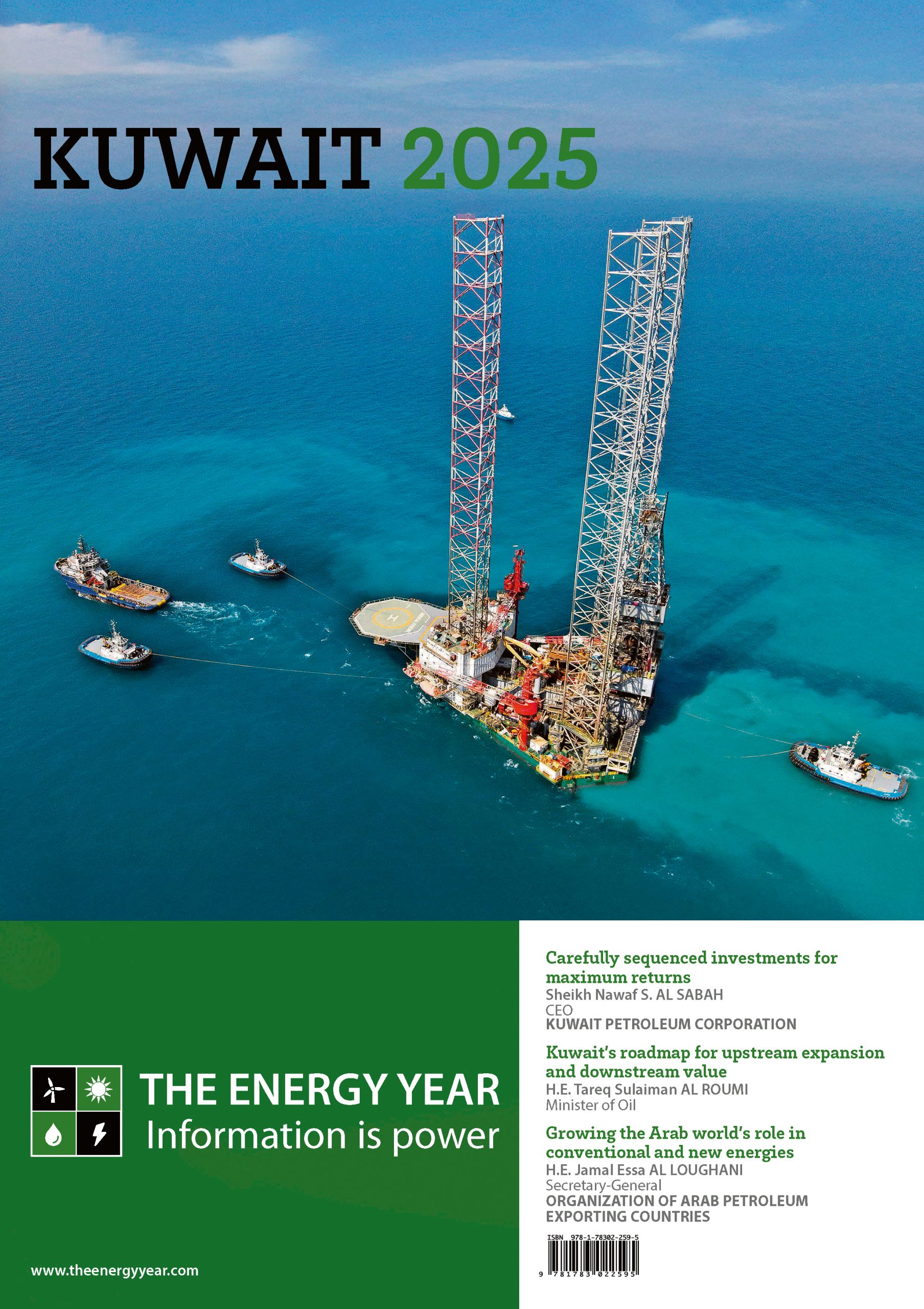
The Energy Year Kuwait 2025
The Energy Year Angola 2025
The Energy Year Nigeria 2025
The Energy Year Saudi Arabia 2025
The Energy Year UAE 2025

