
A strategic gas-to-power expansion in Nigeria
March 4, 2026 Nigeria


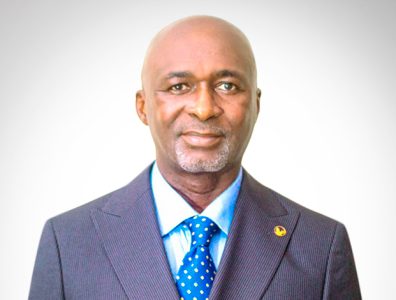
Miranghe Pela, CEO of Exusia Group, talks to The Energy Year about scaling Nigeria’s gas-to-power and solar portfolios and preparing for a capital injection to fund growth into a utility-style player. Exusia Group develops and operates gas and renewable energy projects, including power generation, battery storage and EV charging infrastructure.
What are some of the most recent developments at Exusia Group?
In the past year, we’ve made significant strides. We’ve secured several new projects amounting to around 5 MW of gas-to-power capacity and we have about 1 MW of solar renewable energy projects in the pipeline. A key focus for us now is capital injection. We’re preparing for a private placement to attract fresh funding. There’s an increasing need for patient and accessible capital, particularly from international sources.
Our goal is to expand our portfolio in both gas and renewables. For instance, we’re working with a Chinese partner, Roy Power, to bring in solar assets and energy storage systems. We aim to provide solar as a service on a much larger scale specifically targeting manufacturing and commercial clients. Many of these clients, especially SMEs, only operate during the day, making solar with battery storage more suitable than gas solutions. The idea is to offer a cleaner, cheaper and more efficient alternative to diesel.
We’re also de-emphasising the residential market to focus on industries, hotels and SMEs that need reliable daytime power. These developments are part of our broader strategy to position ourselves as a comprehensive provider in the energy space.
How are you approaching the search for international investors to support this expansion?
At the moment, our priority is getting our books in order to raise initial capital locally. Only after that will we actively start seeking international investors. We believe our story and strategy will resonate, particularly once it’s amplified through platforms like yours. Your publication is an essential tool for us to showcase our capabilities and ambition.
Starting in 2026, we plan to engage more deliberately with the international investor community by attending targeted seminars and conferences abroad. We want to identify strategic partners that align with our growth ambitions. The aim is not just to raise funds but to form long-term relationships that will enable us to scale across energy segments efficiently and sustainably.
How do you see Nigeria’s renewable energy space evolving in the next few years?
The renewable energy sector is evolving rapidly in Nigeria, with a significant uptick in acceptance and government support. I commend the authorities for focusing on domestic manufacturing of solar panels and promoting policy frameworks that make the space more attractive.
Our strategy is to become a solar utility company. We want to own and operate the infrastructure, supply solar power to commercial and industrial clients, and include battery storage for reliability. This would position us as the primary energy source for our clients even if they occasionally need to rely on grid or diesel backup to recharge batteries.
We’re also planning to enter the rural electrification space in 2026. On top of that we’re exploring the electric mobility market. We’re talking to several Chinese manufacturers about bringing in electric vehicles and bikes along with setting up EV charging infrastructure powered by solar. These hubs could also serve as showcases for our broader renewable energy solutions.
How do you envision Exusia’s evolution into a utility-type company?
We’re positioning ourselves as a one-stop utility provider. We want to handle the solar panels, the batteries, the grid interface and now EV charging as well. These services will converge under one brand delivering end-to-end energy solutions.
This convergence creates efficiency for clients and strengthens our role in Nigeria’s energy transition. Our solutions reduce operational costs and carbon footprints for businesses while providing consistent clean power. By becoming an integrated utility player, we can scale our impact and build long-term client relationships.
How do your gas-to-power projects support Nigeria’s Decade of Gas initiative?
Gas-to-power remains our core business. We’re expanding aggressively into that space particularly through the LNG value chain. Not by building LNG plants yet but by focusing on infrastructure.
Currently mini-LNG suppliers require clients to purchase the regasification and storage infrastructure. We aim to provide that infrastructure ourselves. This will make it easier for businesses to adopt LNG, especially for power generation. We’re looking at lease-to-own or rental models for this equipment making it financially accessible.
Eventually we intend to build our own mini or medium-sized LNG plant but right now the focus is on enabling wider LNG adoption through infrastructure. That feeds directly into our gas-to-power operations.
What is your approach to regional expansion?
Expanding outside Nigeria is still a strategic goal but probably not before 2027. The domestic opportunity is massive. Just within Lagos State the demand can rival or exceed that of some neighbouring countries. But the landscape is competitive especially in renewables where quality control is often compromised due to substandard equipment and inexperienced providers.
That’s why we focus heavily on quality even if it means slightly higher costs. In the gas-to-power space the entry barriers are higher so there’s less crowding. That gives us an advantage.
Our expansion plans in Nigeria are broad: we’re deepening our capabilities, hiring, developing business and preparing for long project cycles. All of this requires substantial capital. Some of the projects we’ve been pursuing have taken nearly a year without closure. It’s resource-intensive but the opportunity is worth it. That’s why raising capital remains central to our strategy.
Read our latest insights on:
-

-

A new opening for African gas
INTERVIEW -

More content from Nigeria


Quality seismic decisions for Angola
INTERVIEW
Latest news and features




Latest Reports


The Energy Year Oman 2026
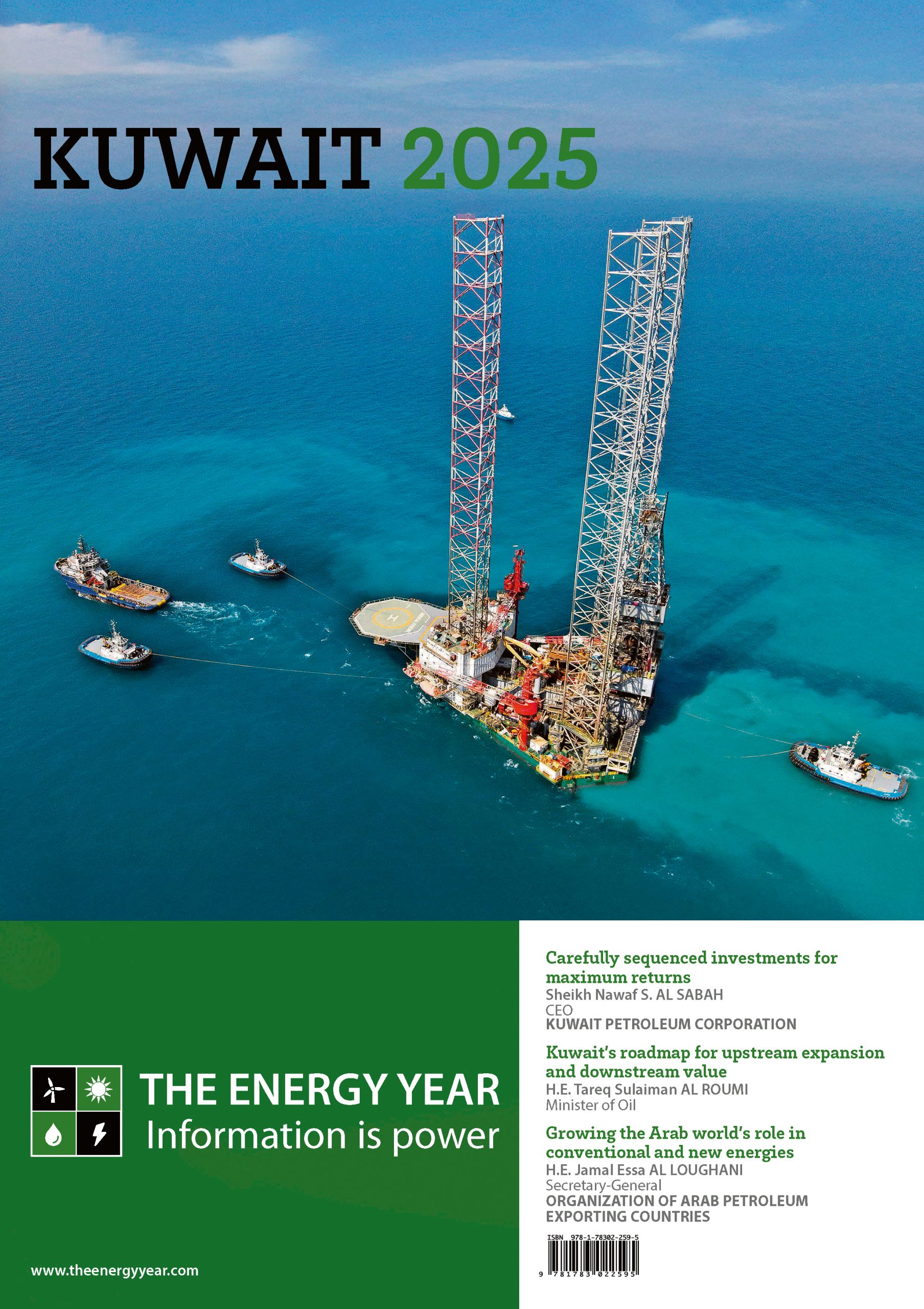
The Energy Year Kuwait 2025
The Energy Year Angola 2025
The Energy Year Nigeria 2025
The Energy Year Saudi Arabia 2025
The Energy Year UAE 2025

