
Bridging technology gaps through strategic partnerships
April 2, 2026 Nigeria


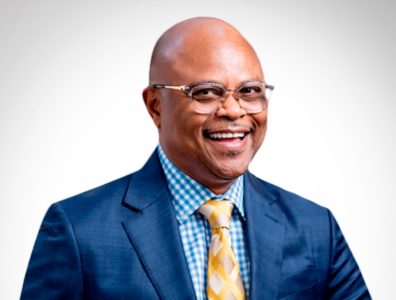
Wole Yusuf, CEO of Multichase Energy Services, talks to The Energy Year about strategic partnerships that enable technology transfer and potential asset purchases to deliver fully integrated upstream services.
Multichase Energy Services is a Nigerian oilfield services firm providing drilling support, production optimisation and artificial lift systems.
- The divestment of onshore assets in Nigeria by IOCs is creating room for indigenous operators to grow their footprint. It is also expected to boost the demand for drilling and production services because the new owners will have stronger incentives to invest towards developing the assets.
- In this context, misalignment between the capabilities of upstream operators and the requirements of domestic banks is constraining access to financing, especially for companies that seek to expand into capital-intensive services, and is a drag on project launches.
- Partnerships between domestic service companies and global technology providers will continue to be critical in bridging capability gaps in Nigeria’s oil and gas sector.
What role have partnerships played in your development, particularly the alliance with Baker Hughes?
The alliance between Multichase Energy Services and Baker Hughes began in 2008 and proved to be transformative. Companies such as Baker Hughes and Halliburton own technology that we, as a local service provider, can leverage to support the services we provide, which is crucial because technology is constantly evolving.
Through our partnership, we gain access to advanced solutions, and in return, we act as their local content vehicle, helping them deliver these services in Nigeria, where they are restricted due to local content legislation. It’s a mutually beneficial relationship. We rely on their innovations, and they rely on us to get the work done on the ground.
Multichase is working to offer integrated services from drilling to oil delivery. What capabilities do you currently have in this regard?
We’ve made good progress toward that goal. Right now, we can independently deliver cementing services, pressure pumping and artificial lift systems using electrical submersible pumps. We also handle tubular running, pilot services and tubing services, all of which contribute to production optimisation. However, to provide fully integrated services, we need to partner with rig owners or operators, and we have started taking steps in that direction.
In October 2025, we approached a bank for funding to purchase a rig. Owning a rig would put us in a strong position, as many indigenous operators are under pressure from the federal government to ramp up production. To do that, drilling needs to happen. I’ve travelled to Louisiana twice this year to negotiate for rigs. The challenge is funding. It’s a chicken-and-egg problem: operators want to see the rig before signing a contract, and financiers want to see a contract before funding the rig. Syndicated funding is one option we’re considering. Bringing a rig from the US can cost more than USD 4 million in logistics alone, and buying one ranges between USD 15 million and USD 25 million, depending on the upgrades.
Are you pursuing domestic or international financing to acquire the rig?
Mainly international. Frankly, Nigerian commercial banks don’t yet have the capacity to finance a project of that size. Even the Bank of Industry needs to collaborate with commercial banks, and unfortunately, there’s been tension between the two sides over how to split risk and returns, which has made the process difficult.
With IOCs divesting onshore assets, indigenous players are stepping up. How is this reshaping demand for your services?
It’s having a positive effect. These companies must drill and produce to meet targets. Plus, with new licence rounds coming up, there will be more exploration activity, which creates more work for us. However, one must be in a position to seize those opportunities.
If Multichase acquires a rig, do you see yourself evolving from a service provider into an operator?
That’s one of our long-term goals, but I’ve always said that one can either be an operator or a service provider – doing both takes deep pockets. Sterling Global Oil Resources is the only example I know of in Nigeria that drills and produces from its own wells. If we eventually go that route, it will need to be under a separate entity. It’s a completely different animal.
Becoming a producing company in Nigeria isn’t easy. There are tribal dynamics and local challenges. You need people who can navigate the communities and speak the language. Youth development and education in those host areas also make a difference. But entering that space takes significant risk tolerance. I’ve seen friends lose sleep trying to make it work.
What are your priorities for the future of Multichase?
Succession planning is top of mind. Retirement is on the horizon, and I want the company to eventually run independently from me. That’s why we’re investing in strong product-line managers. Four of them travelled with me to ADIPEC and handled engagements seamlessly. It was rewarding and refreshing to watch.
We’re also developing our people through the three Ts: training, talent development and targeted recruiting. That’s how we’ll ensure continuity.
As part of our long-term vision, we’ve just acquired a three-level corporate property in Lekki. We were planning to lease it out, but now we want it to become our new corporate headquarters, from where to steer all company operations.
Read our latest insights on:
-

-
A new opening for African gas
INTERVIEW -

More content from Nigeria


Quality seismic decisions for Angola
INTERVIEW
Latest news and features


Latest Reports


The Energy Year Oman 2026
The Energy Year Kuwait 2025
The Energy Year Angola 2025
The Energy Year Nigeria 2025
The Energy Year Saudi Arabia 2025
The Energy Year UAE 2025

