

Curtis BOODOO
Asst. Professor, Utilities and Sustainable Engineering
UNIVERSITY OF TRINIDAD AND TOBAGO
Building capacity for Trinidad’s energy transition
May 16, 2024 Trinidad and Tobago


Curtis Boodoo, assistant professor of utilities and sustainable engineering at the University of Trinidad and Tobago (UTT), talks to The Energy Year about why continuous education is important for engineers and technical workers in the context of the energy transition and how UTT is helping to develop a workforce for the renewable energy sector.
Why is continuous education important for engineers and technical workers in the energy transition?
Education plays a critical role in the energy transition because it involves the use of new technologies that were not around in the years in which an oil and gas industry was developed. Education is always supposed to lead the market. If a market is in its infancy – which is currently the case with renewable energy in Trinidad – then you need to start teaching people the relevant skills and knowledge. Fortunately, some core engineering principles remain the same even in the use of new technologies.
Trinidad and Tobago is well positioned to exploit opportunities in relation to the energy transition due to certain unique characteristics. It is the only developed small-island state that is a net exporter of energy. We have two well-established universities that offer strong programmes in engineering and two technical vocational institutions devoted to engineering.
The educational landscape to support the main driver of our economy, the oil and gas sector, is mature. There are even Trinbagonian nationals who have been deployed throughout the world in the energy and manufacturing sectors. Multiple administrations recognise the value of education, such that it accounts for a large part of the national budget.
How is UTT helping to develop a workforce for the renewable energy sector?
In 2020, UTT launched the first technician-level diploma programme for renewable energy systems in Trinidad. We decided that our contribution to national development should start at that level so that we first ensure there are competent people who can implement technology in a safe way. In 2023, the programme was accredited internationally by the Institution of Engineering and Technology from the UK.
We will be launching a master’s-level programme in climate change studies and renewable energy technology in September 2024. After building our technician-level and engineering bachelor’s programmes, we believe we are ready to proceed in developing a research- and postgraduate-level qualification. Our students who had the opportunity to get hands-on experience through the technician- and engineer-level training can now look at innovation, technology adoption and design, which will be introduced at the postgraduate level.
We are supported by the Caribbean Center for Renewable Energy and Energy Efficiency. They will provide content and expertise for areas that are new to the Caribbean. One such area is offshore wind technology.
What type of renewable energy installations would you highlight as the most promising for Trinidad and Tobago?
Offshore wind should be the only option we consider as a major renewable energy project in Trinidad and Tobago. Our downstream sector needs power every hour of every day for us to be globally competitive. How do we do it? The answer could be offshore wind. Onshore wind turbines are smaller and present limitations such as a challenge with land space, much like with solar farms. However, offshore wind turbines are much larger and are able to produce more electricity – there is more to gain from that investment because the economics work better. The larger they are, the lower the price per kilowatt hour they produce.
Another benefit is that it would be easier to install offshore wind because it does not present challenges such as transporting wind turbines on land or negotiating land ownership issues with the community – offshore turbines are only transported on water and stored at ports.
What should the government and investors know when selecting the type of wind turbines needed?
The Chinese are making large wind turbines that work in their offshore environment, which lacks winds as strong as those found in the North Sea or on the American West Coast. Initial projections for the offshore wind resources in Trinidad indicate that we are most similar to China’s offshore wind environment, so their turbine technologies are what we should utilise. It would be more inefficient for us to use turbines that were developed for the North Sea winds in our waters.
We have the capacity, capability and know-how to develop this in our energy industry. We have service companies who are acquainted with working on offshore platforms and we have engineering expertise. It’s about repurposing, transforming, or retooling the experts in Trinidad to now focus on offshore wind structures.
Are solar energy installations and solar parks such as Project Lara a viable solution to develop green energy in Trinidad and Tobago?
Large solar farms present a number of technical challenges: the land space in Trinidad is too limited to construct more large utility-scale solar projects such as Project Lara and the weather presents too many variables. However, rooftop solar installations could be a more viable approach.
By spreading out rooftop solar installations across the country and connecting them to the grid, we would avoid having localised weather conditions in any area or district severely impacting overall power generation as they would with a centralised solar farm. If cloud cover were to cause low light conditions over just one of the Project Lara sites, that could result in a 50% loss in power generation at that time. Studies indicate that wind power is our most viable option for consistent power.
The energy transition for Trinidad and Tobago cannot effectively happen with an investment in just one type of technology because each of the green energy technologies has advantages and disadvantages. Ideally, they can complement one another. The best roadmap will begin with rooftop solar installations because those are the easiest to implement at present.
Parallel to that, we can collaborate with particular organisations, such as the Green Climate Fund, to express an interest in executing a significant offshore wind project.
Read our latest insights on:
More content from Trinidad and Tobago



Latest news and features




Most popular




Latest Reports


The Energy Year Oman 2026
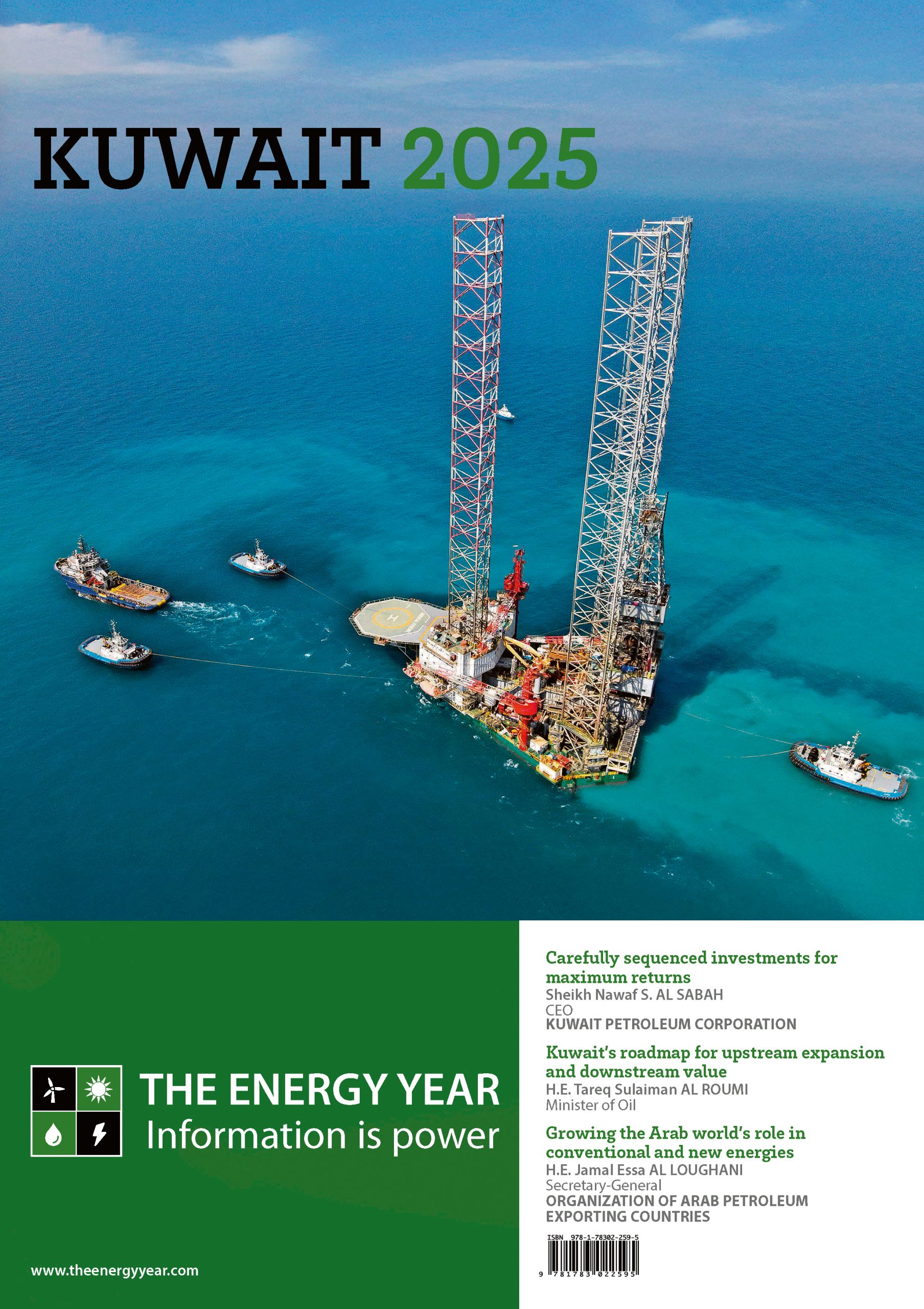
The Energy Year Kuwait 2025
The Energy Year Angola 2025
The Energy Year Nigeria 2025

The Energy Year Saudi Arabia 2025
The Energy Year UAE 2025

