
Clean baseload power for the UAE and beyond
April 29, 2025 UAE
UAE 


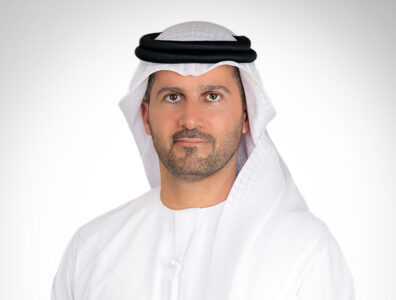
Mohamed Al Hammadi, managing director and CEO of the Emirates Nuclear Energy Company (ENEC), talks to The Energy Year about how civil nuclear power is bolstering the UAE’s energy security and decarbonisation efforts, and launching ENEC Consulting to support the responsible development of civil nuclear programmes in the GCC and globally. ENEC is responsible for the deployment and ownership of nuclear energy plants in the UAE and investing in overseas civil nuclear projects.
What have been ENEC’s latest milestones and how has nuclear energy’s footprint grown in the UAE?
We have delivered several significant milestones in recent years. Since 2021, we have brought a unit online every year at the Barakah Nuclear Energy Plant, located in Abu Dhabi, culminating in 2024 as the 4th unit began commercial operations, signifying the point at which ENEC began full-fleet operations.
Barakah has been a game changer. The plant is now producing 40 TWh of clean electricity annually, which is the equivalent of 25% of the UAE’s electricity demand or the annual power demand of Switzerland or London. Every megawatt of electricity is carbon-free, so the plant is preventing 22.4 million tonnes per year of carbon emissions – equivalent to those of 4.6 million cars.
This level of power production has bolstered the UAE’s energy security while, in parallel, driving rapid decarbonisation of the UAE grid. In the past five years, the UAE has added more clean electricity per capita than any other nation globally, and 75% of this electricity has come from Barakah, which demonstrates the significant positive contribution nuclear energy can play in both diversifying and decarbonising the national energy mix.
Our milestones are not just points of national pride; they are central to the UAE’s energy ambitions. They play an important role in bolstering energy security and are crucial for decarbonising energy-intensive segments such as AI and data centres, as well as hard-to-abate industries such as oil and gas, steel and aluminium.
What are the expected benefits of the Barakah Nuclear Energy Plant for the UAE’s domestic industries?
It is important to note that, even before full- fleet commercial operations began, the Barakah plant created significant value for the UAE. ENEC worked with several key UAE companies to raise their standards, with EMSTEEL achieving Quality Class Q so that they could produce nuclear-grade products. A number of them, including Borouge and Ducab have joined the international supply chain for civil nuclear energy projects.
ENEC has awarded contracts worth more than USD 6 billion to hundreds of domestic companies, and the figure is rising today as more companies are now contributing their goods and services to the operations and maintenance of the plant. This demonstrates the value that nuclear energy brings beyond the electricity generated.
The Barakah plant has created new sectors and expertise in the UAE, in addition to many thousands of high-quality jobs at Barakah. We have thousands of qualified UAE nationals working at Barakah, from nuclear reactor operators and maintenance engineers to radiation protection workers and radiochemistry technicians.
Further value is being created through Abu Dhabi’s pioneering approach to clean energy certification. In 2021, Abu Dhabi was the first market globally to include nuclear energy in its clean energy certificates programme. Today, Barakah generates up to 85% of the clean electricity purchased through this scheme, which is managed by Emirates Water and Electricity Company through a quarterly auction.
Barakah’s 24/7 clean electricity provides the reliable, clean energy required to decarbonise the UAE’s major industrial sectors, including oil and gas, steel and aluminium production. Through these certificates, it creates a unique competitive advantage for companies based in Abu Dhabi.
How will nuclear energy help achieve the UAE’s Net Zero 2050 Strategy and Energy Strategy 2050?
Nuclear energy is a cornerstone of the UAE’s decarbonisation strategy, which aims to increase the contribution of clean energy to 50% of the total energy mix by 2050. As the largest source of clean electricity in the UAE and the wider Arab region, the Barakah plant is our nation’s largest effort to decarbonise its power sector. It is a key contributor to the UAE’s net-zero targets, meeting 24% of the country’s Nationally Determined Contribution by 2030.
By providing clean baseload power, nuclear energy provides a firm foundation on which to expand intermittent renewable sources such as solar and wind, enabling the UAE to maintain a stable and sustainable energy mix. Our electricity is also helping to decarbonise hard-to-abate industries such as steel and aluminium production, which has a positive knock-on effect on other industries in the country and their decarbonisation targets.
The UAE was one of the leading nations that brought together 25 countries to join a declaration to triple global nuclear energy capacity by 2050 during COP28 in Dubai. Since then, a total of 31 countries have joined the declaration, and 14 international banks and financial institutions shared their support during Climate Week NYC in 2024.
How has Barakah’s production of baseload electricity affected the UAE’s transmission grid?
Barakah has brought significant positive change to the UAE grid. The consistent baseload electricity production generated at Barakah ensures grid stability along with the grid inertia created, it supports the integration and expansion of renewable energy sources and meets the growing energy demands driven by electrification and digitalisation. This reliability strengthens the UAE’s energy security while reducing its reliance on fossil fuels.
Nuclear energy plants have a high capacity factor, typically, around 90% or higher, meaning they produce the vast majority of their potential output. This high efficiency helps keep the grid stable, as it reduces the chances of unexpected power shortages.
To what extent does the Barakah Nuclear Energy Plant serve as a blueprint for other regional nuclear plant construction projects?
Globally, there is a clear recognition of the importance of baseload electricity in meeting national energy security objectives. Nuclear energy is one of only two forms of clean baseload electricity commercially available today, and with nuclear energy now recognised as a clean energy technology by the 198 signatory countries to the UN Framework Convention on Climate Change, many nations are now looking to add nuclear energy to boost their energy security.
The UAE is ahead of the curve, having taken a data-led decision to add nuclear energy to its power mix back in 2008. The Barakah plant offers a model for efficient, high-quality nuclear plant delivery. Each unit was completed in just under eight years, with a 40% improvement in operational readiness between the delivery of Unit 1 and Unit 4. It serves as a blueprint for other projects around the world for best practices in safety, financing and international collaboration, offering a benchmark for new nuclear programmes in the region and globally.
Building on this expertise, from policy development to operations, ENEC recently announced the launch of its advisory consultancy, ENEC Consulting, which will focus on all aspects of civil nuclear programme delivery, from strategic advisory and project management to operational readiness and capacity building.
What role will nuclear energy play in the UAE’s and the GCC’s power mix in upcoming years?
Nuclear energy will remain a key component of the UAE’s power mix as we work towards the 2050 net-zero targets. Nuclear will provide the UAE with reliable, clean electricity to meet the growing demand expected to come from the heavy industry and technology sectors. It will work in tandem with renewables to support regional decarbonisation efforts. With the UAE connected to the GCC grid, the benefits of clean baseload electricity will be felt across the region.
With other nations across the GCC exploring options for civil nuclear energy projects, the UAE’s leadership in nuclear energy sets an example, and we look forward to offering our support to all responsible nations, in the GCC and internationally, who wish to pursue a civil nuclear energy programme.
What key projects will ENEC be pursuing in the near term?
ENEC’s immediate focus remains on the sustainable operation of the Barakah plant. It will operate for at least the next 60 years, and we are committed to pursuing excellence in our operations to ensure world-class safety and quality-led power generation. In parallel, ENEC is evaluating opportunities for investments, collaborations and partnerships in the UAE and overseas.
ENEC maintains strong partnerships with countries that have established nuclear energy programmes as well as those looking to launch new ones. With over 100 MoUs signed across 17 countries and international companies, ENEC is committed to supporting and achieving the global goal of tripling nuclear energy capacity by 2050.
While large gigawatt reactors will be key, we are also exploring advanced nuclear technologies, including small modular reactors (SMRs) and microreactors. In late 2023, ENEC launched its ADVANCE Program to harness the latest advancements in nuclear energy technologies, aiming to strengthen the UAE’s position as a leading nation in global efforts to achieve net-zero emissions by 2050.
Through this programme, ENEC is working to explore the latest technologies in the advanced SMRs and microreactor categories, which can generate clean electrons and molecules, such as steam, hydrogen and ammonia, as well as process heat for industrial processes. To boost this programme, ENEC has signed eight MoUs with key SMR and technology providers.
We will also continue to prioritise our R&D work and explore how to harness the power of AI to enhance nuclear technologies. We are already seeing the benefits of AI to optimise and enhance the safety of our work, and we see further potential as this important area grows and matures.
Read our latest insights on:
-

How the UAE is building its future
INTERVIEW -

-

More content from UAE


Quality seismic decisions for Angola
INTERVIEW
Latest news and features



Latest Reports


The Energy Year Oman 2026
The Energy Year Kuwait 2025
The Energy Year Angola 2025
The Energy Year Nigeria 2025
The Energy Year Saudi Arabia 2025
The Energy Year UAE 2025

