
Continuous, reliable electricity for Mozambique
August 31, 2024 Mozambique


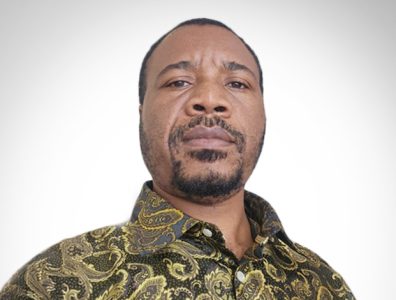
Towindo Tichãona, general manager of Central Térmica de Ressano Garcia (CTRG), talks to The Energy Year about the plant’s contribution to Mozambique’s long-term electrification goals and the country’s potential as a regional electricity supplier. CTRG is a joint venture between Azura Power and Electricidade de Moçambique (EDM) that operates a 175-MW gas-fired power plant in Ressano Garcia, in Mozambique’s Maputo province.
How is CTRG contributing to meeting Mozambique’s growing energy needs?
At CTRG, we have been a major force in Mozambique’s energy sector and a driver of economic growth in Maputo for nearly a decade. Up until now, we have been the country’s largest IPP in operation, with 175 MW of generation capacity, and we sell our entire output to EDM, Mozambique’s national electricity company. EDM then determines how to distribute the electricity among industrial and domestic end users, and what share is exported.
Our government has the ambitious goal of achieving universal electricity access by 2030 and CTRG is proud to contribute to achieving it. We were once the largest contributor of gas-generated electricity, accounting for about 20% of supply at one point, but the sector is rapidly changing. New producers are entering the market, which will naturally dilute our market share. However, we remain confident we can continue to play a significant role.
What are some of the biggest challenges and opportunities for the Mozambican energy industry in the coming years?
CTRG’s gas supply comes from Temane, and the most recent projections indicate this field will likely be depleted by 2033. There is a need for alternative gas sources. While the ongoing situation in Cabo Delgado presents challenges, we see immense potential in companies such as TotalEnergies and ExxonMobil. Security concerns in the north must be addressed to unlock the vast gas reserves there.
Operational challenges sometimes arise with gas transporters. However, they are immediately addressed to make sure that we provide non-stop electricity all day, year round. We work closely with all suppliers to ensure that our operations are seamless.
Southern Africa presents an opportunity for Mozambique to become a regional energy hub. Several countries in the region, including South Africa, Zimbabwe, Zambia and Malawi, face electricity shortfalls. Mozambique, with its abundant energy resources, can address these needs, and large-scale projects such as the Mphanda Nkuwa hydroelectric plant will play an important role in placing the country in an advantageous position to do so.
Can you walk us through some of the technology utilised in CTRG’s facilities?
CTRG functions with cutting-edge equipment supplied by leading industrial manufacturers, and we have contracts in place to ensure it is upgraded continuously. This extends to our control room, which is equipped with the latest technology to monitor performance, gas leaks and even engine efficiency.
Mindful of our potential impact on the environment, our generators contain technology to minimise carbon monoxide and carbon dioxide emissions. To obtain financing from the IFC we were required to incorporate environmental safeguards, and the plant is well within international standards.
What initiatives does CTRG have in place for the ongoing training and development of its employees?
CTRG has 92 employees, all of whom are Mozambican. Considering that the average family in Mozambique has five members, our operations are directly supporting at least 460 people. Not only that but we also indirectly benefit at least 500 people, which are the households of the employees of our service providers, which include security, cleaning, catering and other companies.
However, our impact goes beyond job creation and we are also firmly committed to training and development. When CTRG first took over the facilities, Wärtsilä, the original operator, provided comprehensive training for our staff. This strong foundation allowed for a smooth transition, first when operations were handed over to Sasol, and later when CTRG took over in 2015 and the facility became entirely managed by Mozambicans.
Under my leadership, we have set aside annual training budgets to continuously upskill our workforce. This investment in our people aligns perfectly with the requirements outlined in our concession agreement.
Our goal is to cultivate a highly skilled local workforce that CTRG can rely on for long-term success, and we partner with institutions around the world that offer high-quality training programmes. We have sent employees to Brazil, France, Indonesia, Mauritius, South Africa and Zambia, among other places.
Our selection criteria are rigorous, and we only choose programmes that align with our specific technologies and operational needs. In this context, the recommendations we receive from Wärtsilä, which is an international reference in the sector, carry considerable weight in our decisions.
How does CTRG incorporate CSR considerations into its operations?
We are responsible corporate citizens and we invest in the local community. For years, the households surrounding Ressano Garcia suffered from electricity shortages despite having two major power plants in the area. Together with Gigawatt and EDM, we negotiated a supply deal for the local residents, who now have a reliable supply of electricity for their daily lives.
CTRG also holds annual meetings with the community to understand their needs and support their long-term development projects. The CTRG board, of which I am a member, allocates a minimum of USD 250,000 each year specifically for these initiatives. Our resources have funded the construction and improvement of schools and healthcare facilities, given support to agricultural programmes and provided learning materials for disadvantaged students, among other activities.
Read our latest insights on:
-

Project highlight: Mozambique LNG
PROJECT HIGHLIGHT -

-

Project highlight: Mozambique’s Central Térmica de Temane
PROJECT HIGHLIGHT
More content from Mozambique


Quality seismic decisions for Angola
INTERVIEW
Latest news and features



Latest Reports


The Energy Year Oman 2026
The Energy Year Kuwait 2025
The Energy Year Angola 2025
The Energy Year Nigeria 2025
The Energy Year Saudi Arabia 2025
The Energy Year UAE 2025

