
Diplomacy for business in Kuwait
August 30, 2024 Kuwait


Marion Chehab, a member of the board of the German Business Council Kuwait (GBCK), talks to The Energy Year about the challenges of conducting business in Kuwait and how the council helps international companies overcome them. The GBCK is a non-profit that fosters relations among German-speaking businesses and their Kuwaiti and regional counterparts.
What would you identify as the pillars of the GBCK’s activities?
We work as a business facilitator, providing a platform for German-speaking businesses and organisations, and as a forum for exchange with Kuwaiti business sectors. German, Austrian and Swiss organisations are included under the GBCK umbrella.
Company representatives meet and discuss the issues or problems they may be having. They exchange contacts and perspectives, bringing their business to another level by sharing knowledge and ideas and by promoting new initiatives.
Our activities also include site visits, which help our members gain a better understanding of the main undertakings going on in the country. We have organised visits to the Umm Al Hayman Wastewater Treatment Plant, Boursa Kuwait, the Shagaya Renewable Energy Park and KOC’s Burgan oilfield, among many others.
We also co-operate with other business councils in Kuwait, working very closely in particular with the Lebanese, US and Portuguese councils.
Together, we organised Business Forum 9 in 2023, which brought together nine business councils, more than 600 guests, 11 ambassadors and several Kuwaiti government institutions to address topics from healthcare to energy.
How do you assess the Kuwaiti business environment? What are the main opportunities and challenges?
Kuwait has great potential in and beyond the oil and gas sector. The main challenges in the past few years have been high government turnover due to several parliamentary elections and a generally slower business environment. Even within the country’s main sector, oil and gas, you find an over-inflated public system whose instability makes it difficult for companies to fill their ranks. I am optimistic that the merger reducing KPC’s subsidiaries can result in a beneficial streamlining of business with competent leadership.
Although many projects spend years in the pipeline and never materialise, such as the Kuwait metro, other interesting initiatives are moving ahead. The Al Shadadiya Industrial Zone is 70% complete, and the GCC Railway and the second terminal at Kuwait International Airport are also making steady progress.
The recent request for proposals for the IWPP for Al Zour North Phases 2 and 3 is an encouraging step towards an upward trend in the project market. So far, capital spending has been low. There are opportunities on the horizon, such as the extraction of the Dorra reserves and a promising offshore drilling campaign, that can be rewarding with the successful diplomacy Kuwait is well known for.
I see foreign companies wanting to step up their business in Kuwait and it will be interesting to see how the new Law No. (1) of 2024, granting foreign companies the right to set up branches in Kuwait without appointing a local agent, will play out. Generally, companies need time, patience and ample funding to set up their business in Kuwait, but they are usually repaid with success and loyalty once they have proven their intent.
What are the key advantages of being a GBCK member?
We are a flexible organisation with around 80 members. They are mostly executives, corporations and sponsors who are based in Kuwait or have regional offices. They want to be updated on the latest developments – if a CEO moves to another Gulf country, for example. We have been here for a very long time and we know exactly what is going to be relevant. In Kuwait, you often find out about things just before they happen.
The GBCK has an extended network and we attend selected fairs, handpicking the organisations we want to partner with. In 2023, we participated in cybersecurity, waste management and recycling forums. There haven’t been any oil and gas events for a long time now, but we liaise with businesses that are relevant in the energy field and deal with topics that match our members’ activities. Waste management and cybersecurity, for example, are definitely of interest.
When it comes to organising events in Kuwait, we know the market very well. You need boots on the ground and a keen awareness of local dynamics to set up successful events in this country. You have to be able to change your agenda at the last minute and keep your audience’s attention when events are spread over multiple days. In short, you have to be on top of your game.
Our role is to create awareness and promote our members’ business in Kuwait by giving them exposure and, in certain fields, exclusive memberships.
What are the main barriers preventing Kuwaiti businesses from being more competitive?
I see a big gap between the large domestic companies and the SMEs, despite some great examples of successful local entrepreneurs, such as Talabat and a few others. Kuwait has a bright, internationally educated youth and a pool of talent that should not be wasted. Bureaucracy has been a challenge for international companies, but also for SMEs who cannot afford such delays and move to neighbouring countries to set up their business.
Another key issue is that the public sector is much more lucrative than the private sector. Graduates start working for private companies, but they get offers from the government and move on. This makes it hard for the private sector to compete.
Kuwaitisation is a hot topic these days. Many educated expats left Kuwait during the pandemic. Rehiring has been difficult overall given the strict immigration laws, leaving many sectors somewhat paralyzed. However, having lived in Kuwait for more than thirteen years, I remain optimistic about Kuwait’s progress in general.
Read our latest insights on:
More content from Kuwait





Quality seismic decisions for Angola
INTERVIEW
Latest news and features



Latest Reports


The Energy Year Oman 2026
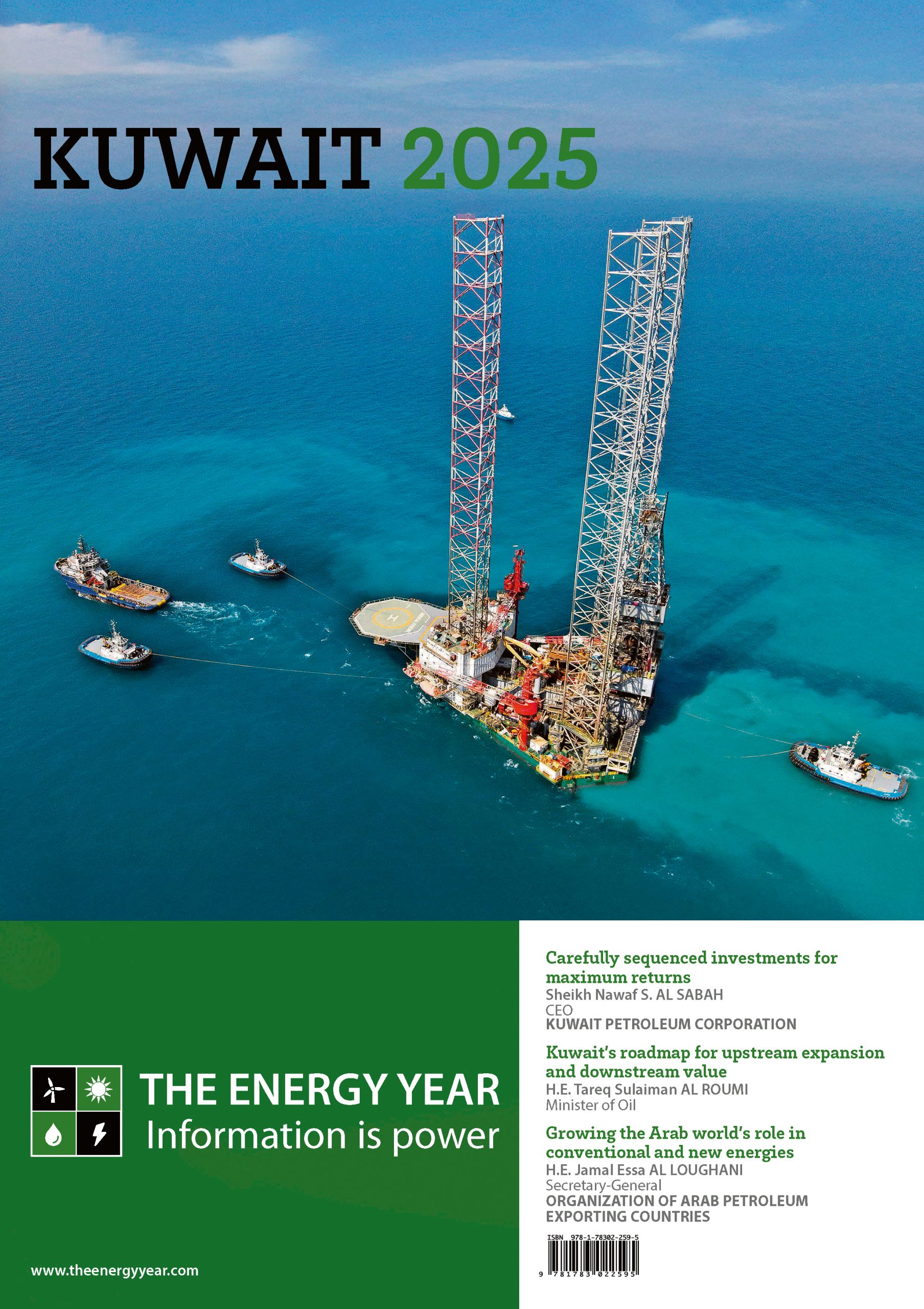
The Energy Year Kuwait 2025
The Energy Year Angola 2025
The Energy Year Nigeria 2025
The Energy Year Saudi Arabia 2025
The Energy Year UAE 2025

