
Expanded services for Nigeria’s evolving upstream
March 17, 2025 Nigeria


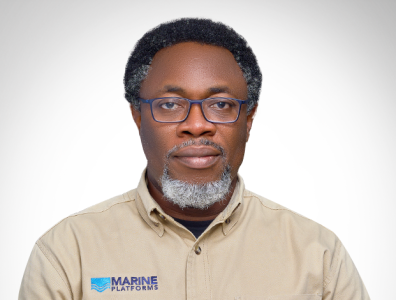
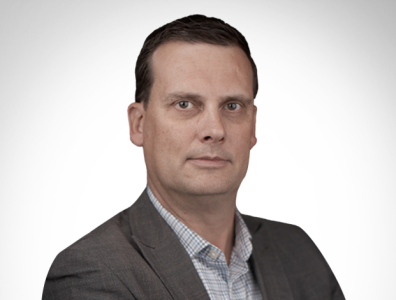
Taofik Adegbite, CEO of Marine Platforms, and Aaron Clarke, the company’s director for projects and commercial, talk to The Energy Year about the company’s recent accomplishments and the ability of Nigerian companies to engage in offshore exploration. Marine Platforms is an oil service company providing diverse services to the upstream sector in Nigeria.
What have been the main accomplishments of Marine Platforms in the past years?
Taofik ADEGBITE: The deepwater environment is where we started our business. With regards to the services that we offer, we have covered new grounds. Prior to this time, we used to do mainly maintenance and inspections of subsea assets for operators.
However, now we have gone into installation and construction mode. One of our major achievements has been to bring First E&P’s Anyala and Madu fields (OMLs 83 and 85) to first oil. We have taken businesses from the installation phase up to brownfield development.
Furthermore, we helped Chevron develop a satellite field tied to its existing FPSO. We helped them with the connections, installation of manifolds and in bringing the flowline to the existing FPSO.
These projects are where I see the company’s strength in the past years.
What is the role of new technologies in the growth strategy of the company?
TA: Marine Platforms is still at the growth phase, and technology is crucial to achieve this growth. We are investing in emerging technologies via the acquisition of ROVs [remotely operated underwater vehicles]. As of now, we have a fleet of 14 ROVs assisting our operations in drilling support and integrity management.
We are increasingly using technology to grow our service offering and to enter new areas. We have the goal of entering even deeper waters. Now, we operate as deep as 1,800 metres, and we are exploring the possibility of operating in up to 2,500 metres. That is a very challenging environment, and technology is key in assisting such operations.
To acquire new technologies, we are partnering and collaborating with local and international companies, such as General Electric. Our strategy is to acquire the technological know-how, skillsets and knowledge of our partner companies.
What is your assessment of indigenous companies’ ability to venture into offshore exploration, and how can Marine Platforms assist such operations?
TA: There are cases of indigenous companies effectively operating offshore. For instance, First E&P has been successful in their offshore operations, although they are not too deep offshore. However, it takes proper structure, organisation and know-how to operate offshore. It is not as easy as exploring hydrocarbons on land. I would say that the difference is the level of technology required to do the work.
As I mentioned, Marine Platforms assisted First E&P to reach first oil at their offshore fields. That is an experience that we can easily draw upon to assist other indigenous E&P companies who want to venture into operating offshore.
Given the evolution of the Nigerian upstream sector, what are the key strategies that you have implemented to grow your operations in the Nigerian offshore sector?
Aaron CLARKE: The changes in Nigeria’s upstream sector, especially the shift of assets from IOCs to indigenous players, have created both opportunities and challenges. For us at Marine Platforms, it’s about ensuring we’re positioned to take on larger, more complex offshore projects while maintaining the highest standards and client centricity we’re known for.
One key area we’re focusing on is building a stronger track record in EPCI offshore development. We are expanding our collaboration by partnering with key EPCI players, both local and international, to ensure we can deliver end-to-end solutions, from brownfield to greenfield development upgrades. This strengthens our track record and capability to support indigenous companies and marginal field operators stepping into deeper waters.
We are also investing in expanding our fleet and workforce. As new projects come online, we’re bringing in more skilled professionals to ensure that the right in-house expertise isn’t compromised due to the increased demands. At the same time, we’re training and developing local talent to meet industry demands, which ties into Nigeria’s local content goals.
Another crucial element is streamlining operations and increasing efficiency. Offshore work is capital intensive, and we need to be as agile as possible. We’re continuously improving our processes while ensuring we execute projects safely, on time and within budget. This is how we remain competitive in an industry that’s evolving quickly.
More than anything, our focus is on delivering the best possible results for the projects we have right now. We want to not only meet but exceed our clients’ expectations. At the same time, we are preparing for even bigger and more complex projects, making sure we have the right team, equipment and expertise to take on whatever comes next.
How do you assess the impact of Executive Orders 40 and 42 on your business operations?
AC: These executive orders are exactly the kind of push the industry needs. Offshore projects require significant upfront investment, and for years, the cost and bureaucracy involved have slowed things down. But with these tax incentives for deepwater developments and the move to simplify contracting processes, we expect to see a more active and rapidly moving market.
For Marine Platforms, this means we can take on more offshore work with a clearer, more predictable investment landscape, and we believe that operators will be more willing to commit to projects when the numbers make sense, and that naturally leads to more opportunities for service providers such as us.
Like I mentioned previously, one of the largest impacts will be in workforce expansion. With more projects in the pipeline, we’re bringing in more skilled personnel, both locally and internationally, to ensure we can meet demand. It’s also a great opportunity to develop local expertise in deepwater operations, which is essential for the long-term sustainability of Nigeria’s offshore sector.
At the same time, lower contracting costs mean we can operate more efficiently. In the past, lengthy and expensive procurement processes have been major bottlenecks, but with these reforms, we expect quicker turnaround times and smoother project execution.
In short, these changes give us the confidence to invest in more capacity, expand our team and continue delivering top-tier offshore services. They represent a step in the right direction, and we’re ready to take full advantage of them.
Read our latest insights on:
-

-

A new opening for African gas
INTERVIEW -

More content from Nigeria


Quality seismic decisions for Angola
INTERVIEW
Latest news and features


Latest Reports


The Energy Year Oman 2026
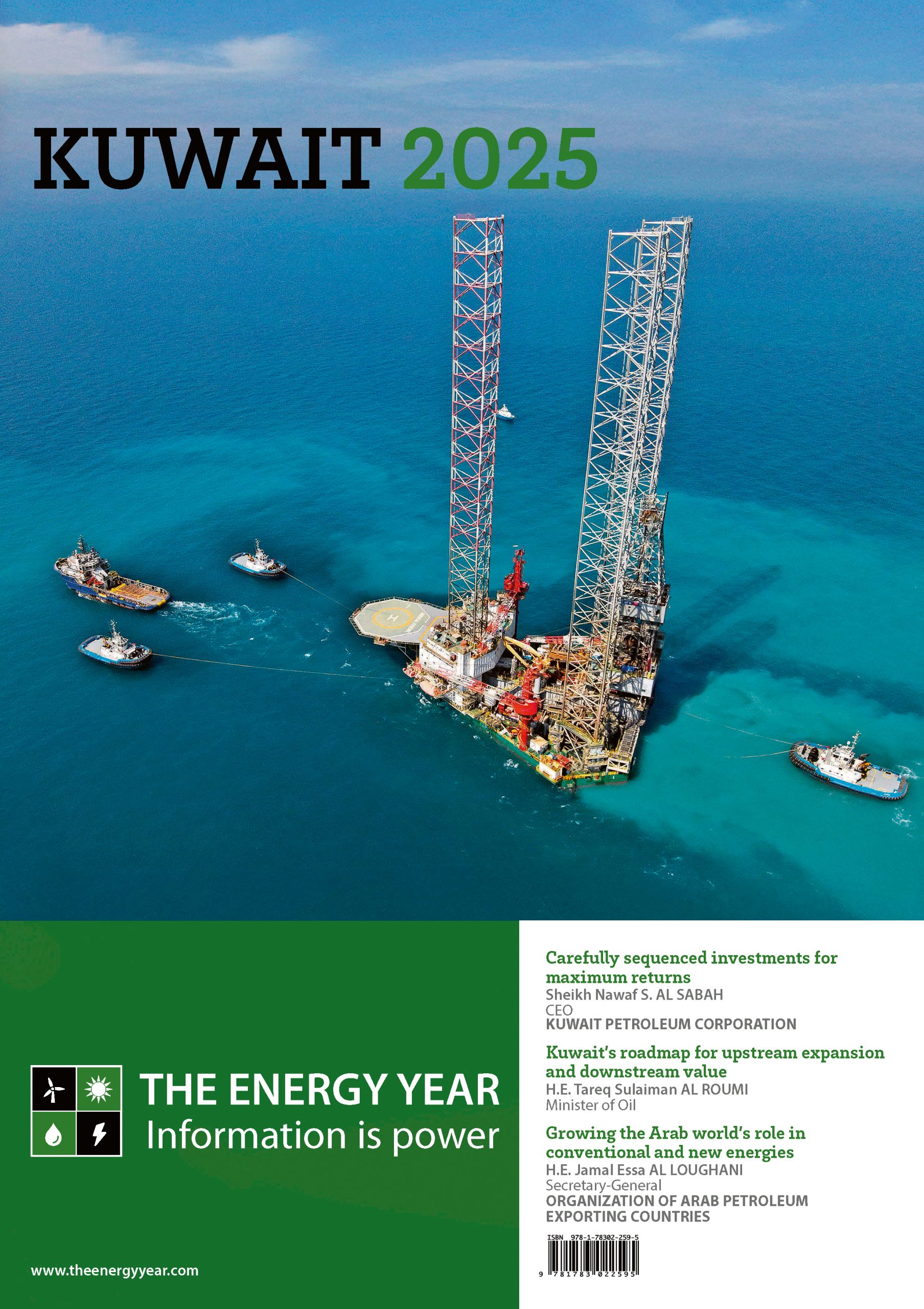
The Energy Year Kuwait 2025
The Energy Year Angola 2025
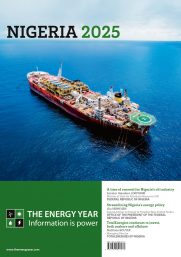
The Energy Year Nigeria 2025
The Energy Year Saudi Arabia 2025
The Energy Year UAE 2025

