
High-tech teaching in Kuwait
August 31, 2024 Kuwait


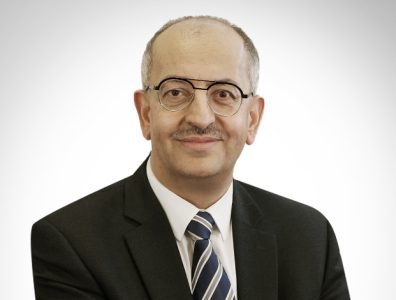
Khalid Al-Begain, president of Kuwait College of Science & Technology (KCST), talks to The Energy Year about teaching Kuwaiti youth technical skills to thrive in the job market and establishing partnerships for innovation and economic growth. KCST is a private university that offers undergraduate and graduate degree programmes as well as professional certifications, including for the oil and gas sector.
Can you tell us about the Kuwaiti education system and how KCST is different from other universities?
The system in Kuwait has undergone significant transformation in recent years. Once perceived as a marginal element in the local economy, higher education is now recognised as a key contributor and the government has recognised the need for more private universities.
From its inception, KCST has embraced a distinct approach, prioritising focus above size. Although we are currently small, our vision is to evolve into a medium-sized institution that stands out for highly specialised programmes tailored to meet both present and future demands.
Unlike other private universities in Kuwait, which typically offer a broad portfolio of programmes, we opted to begin with just three: electronic and communications engineering, computer engineering and computer science. By adopting this strategy, we aim to address gaps in the labour market, particularly in technical fields where Kuwaiti nationals are underrepresented. Our students were among the first to break that barrier.
Can you provide examples of how your programmes prepare graduates for the job market?
We believe that Kuwait needs more management skills, including in the oil and gas sector. Many Kuwaitis with an engineering degree get promoted into management positions in a short time, and this can be a problem because you do not need to be a petroleum engineer to manage an oil company. That is why – and this is another element that makes us stand out – our current engineering programs include management and economics courses from year one so our students can understand the impact of oil price fluctuations, inflation and so on, making their knowledge more horizontal.
Our programmes provide practical learning, ensuring that students gain entrepreneurial and management skills in addition to theoretical knowledge. On average, our graduates complete five management courses that equip them with foundational skills in subjects such as business planning and feasibility analysis.
Our model extends beyond traditional academic offerings, as we empower students to pursue professional certifications alongside their degree programs. No other private university in Kuwait does this at the moment. We want to provide a comprehensive education that prepares our graduates for success in the job market and empowers them to contribute meaningfully to society.
Can you give us an overview of your facilities?
Since the very beginning, our university has invested in state-of-the-art facilities and resources to ensure a high-quality learning environment. Even before enrolling our first student, we had already built a comprehensive array of laboratories catering to various disciplines, including physics, electronics and computer science. Among these is our Fab Lab, a fabrication facility inspired by MIT’s concept, where students can unleash their creativity and bring their ideas to life using cutting-edge equipment such as 3D printers, scanners and laser cutting machines.
Another standout is our cybersecurity lab, which is one of only eight in the world and the first in the region. It underscores our commitment to addressing contemporary challenges in digital security. 90% of our students take cybersecurity courses as part of their degree programmes, and we are the only academic institution in Kuwait that also offers professional certifications in this field.
The country’s three major telecoms operators actively seek out our graduates, particularly for roles related to the implementation of 5G. Recognising the importance of hands-on experience, we secured a grant from Huawei to establish the region’s first 5G lab, which provides students with the opportunity to gain expertise in configuring core network systems. Just recently, we signed an MoU with stc for internships leading to employment, and we do a lot of training for Zain, which has hired many of our graduates into its IT departments.
Finally, we have our Center of AI & Robotics to provide students with hands-on experience in an emerging technology that is crucial for the country’s development. We recognise the importance of fostering a culture of R&D and innovation, something that was previously overlooked in Kuwait’s curriculums. We are committed to playing a leading role in driving innovation and progress in the country.
What are the key features of your new solar testbed, and who contributed to its development?
We are launching the Innovative Energy Harvesting Green Room, or IEHGR, together with the British embassy and Alpha Solar Tech, an Australian company. It is a room on wheels that aims to explore energy generation and storage technologies that have practical applications. The unit is self-sufficient and operates independently from the grid, and it is capable of running air conditioning systems, standard office equipment and other basic services.
The unit could cater to the operational needs of the oil and gas sector, especially in remote desert locations where traditional infrastructure may be lacking. It can be used to set up an office virtually anywhere and run it sustainably, without the use of generators.
IEHGR has several patents embedded in it, including one for vacuum insulation, which provides superior energy-saving properties. Our nanotechnology lab is developing piezoelectric carpets that generate energy and can be used to power the unit. Through our partnership with Alpha Solar Tech, we are ready to manufacture this innovative solution at any time.
Do you have plans to expand your facilities or programmes?
We plan to do both. In the next five years, we would like to grow our enrolment to around 4,000 students, but keeping the same philosophy and the same approach. We also plan to double the space we have for specialised labs and student facilities. Regarding academics, we are adding a management programme with a large technology component.
We signed an agreement with the Bayes Business School of City, University of London to integrate their programmes on accounting, fintech, digital business, entrepreneurship and digital marketing into our curriculum to offer undergraduate degrees and postgraduate MBAs. We would like to be known as a quality university where students can obtain skills to work in any sector.
Read our latest insights on:
More content from Kuwait





Quality seismic decisions for Angola
INTERVIEW
Latest news and features




Latest Reports


The Energy Year Oman 2026
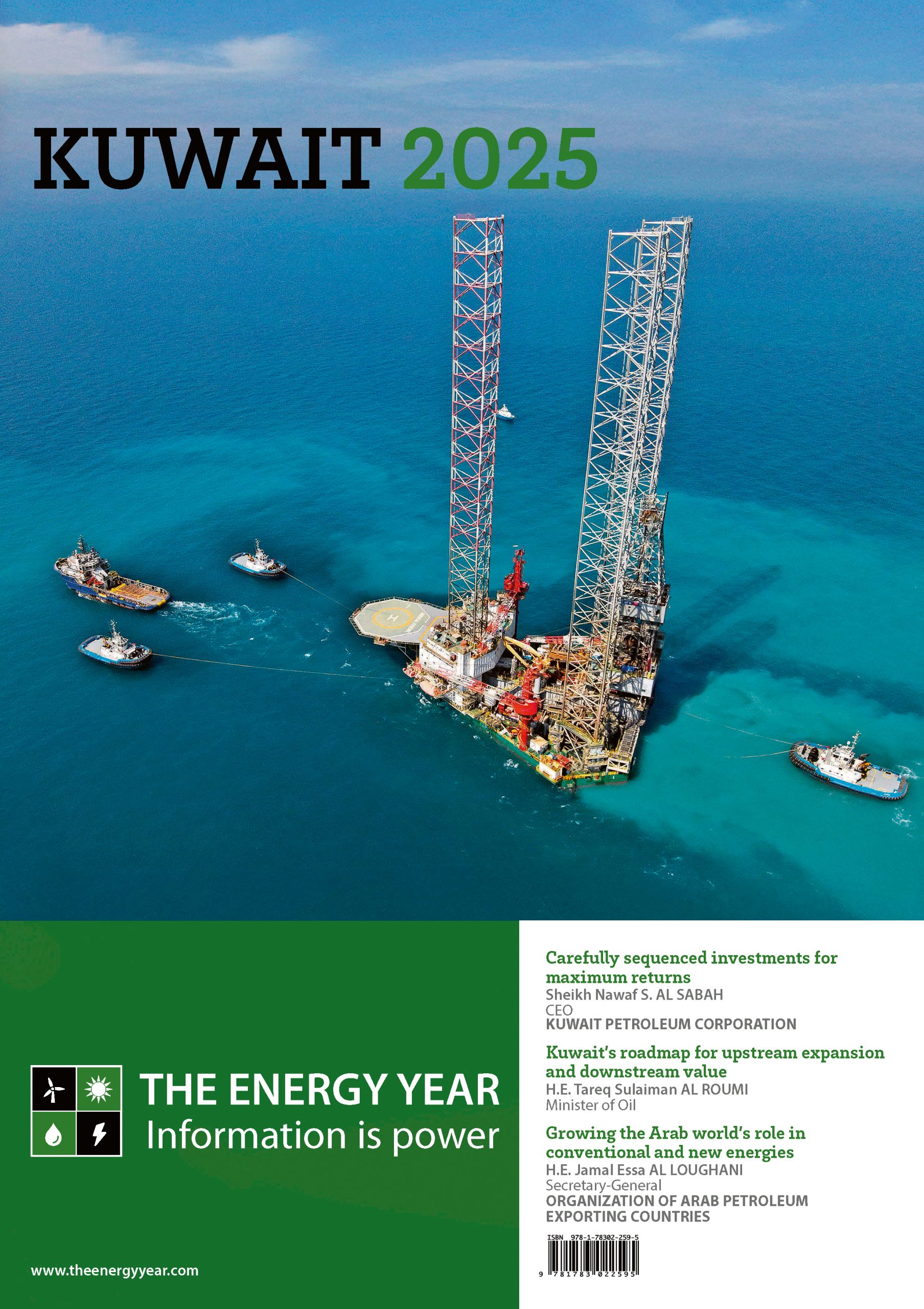
The Energy Year Kuwait 2025
The Energy Year Angola 2025
The Energy Year Nigeria 2025
The Energy Year Saudi Arabia 2025
The Energy Year UAE 2025

