

Innovative financing for renewables in Mozambique
September 1, 2024 Mozambique


Peter Blenkinsop, CEO of FNB Moçambique (FNBM), talks to The Energy Year about developing effective financing mechanisms for small-scale solar and wind projects and the strong case for PPP-driven development in Mozambique’s energy industry. FNBM is a subsidiary of FirstRand Group that provides corporate, investment and retail banking services in Mozambique.
What are the sectors of the Mozambican economy that offer the most investment potential?
Mozambique is very well positioned to become a significant regional player in renewable energy should the country choose to do so by creating investment certainty for external investors. Unlike traditional, centralised energy sources that require significant infrastructure investment, renewables can be distributed more widely, even in remote areas.
Furthermore, renewable sources such as solar and wind can supply non-transmitted energy that communities can utilise to meet their own energy needs.
FNBM is exploring financing models to support the development of localised solar and wind plants that foster community growth and self-sufficiency. Unfortunately, hurdles exist within the banking sector and at the local government level that make safe and innovative financing models that could accelerate renewable energy adoption very difficult.
Do you see Mozambique becoming a regional energy hub?
Yes, wind and solar power can be generated domestically, and Mozambique’s location is ideal for exporting electricity to neighbouring countries. Clean energy can improve the country’s energy security and elevate its standing on the regional and global stage.
By committing to renewables, Mozambique can attract significant investments. Should the pathways be cleared to make investment attractive, FNBM is ready to support this transformation.
What role do you envision for PPPs in the development of the Mozambican economy?
We believe in the power of collaboration between the public and private sectors. The public sector sets rules and fosters an environment that is conducive to investment, while the private sector brings innovation, expertise and efficiency. Each side must have a clear understanding of its strengths and limitations.
Historically, state-run utilities and energy companies have often failed. While some exceptions exist, such as EDF in France and perhaps even HCB [Hidroeléctrica de Cahora Bassa] and EDM in Mozambique, the case for private sector protagonism in alternative energy solutions is compelling.
The private sector possesses the technology and expertise to drive efficiency in energy production. Overly restrictive regulations and unrealistic demands on investors can stifle growth. PPPs are a more productive approach.
PPPs help attract investments that lead to higher efficiency in the energy sector and free the government to focus on broader economic development initiatives. The goal should not be to maximise government revenue from the energy sector, but to maximise the overall economic output of a reliable and efficient energy infrastructure.
This, in the long term, leads to a compelling taxation regime that, in the long run, will secure government income sustainably. FNBM advocates for policies that encourage private sector participation in the energy sector through strategic PPPs.
What is your assessment of Mozambique’s human resources and the capabilities of its corporate sector?
While qualifications may appear promising on paper, it is crucial to assess actual capabilities and experience. Billion-dollar investments demand swift results, with little room for trial and error.
To address this challenge, I would suggest developing a rating system for local companies which would objectively evaluate their capabilities, limitations and skill levels. This information would then inform capital allocation decisions, ensuring investments are matched with companies possessing the necessary expertise.
From a banking perspective, we emphasise the importance of financial due diligence. This includes scrutinising the shareholders and beneficial owners of local companies. Transparency in ownership is essential for secure financing. While this might raise initial costs, the long-term benefits outweigh the drawbacks.
International partnerships with domestic companies have often proven optimal in the setting up of renewable infrastructure and the operation thereof. By working alongside international companies, local ones can acquire valuable skills and experience.
Knowledge transfer ensures the long-term sustainability of projects and reduces reliance on external support for operation and maintenance, and the country stands to gain a more sustainable and self-sufficient industrial sector.
The current government’s focus on short-term gain hinders this approach, but FNBM believes that Mozambique can develop the necessary domestic capabilities to have a thriving energy industry within a decade or so.
How does FNBM incorporate technology into its daily operations?
Before 2023, our online banking platform was fairly outdated, but we have completely modernised our offerings and launched a suite of mobile services modelled after the award-winning app of our South African parent company. It will, in time, introduce features such as trade financing and, potentially, full supply chain solutions. We are concurrently building a robust hosting infrastructure to provide reliable validation services.
We’re trying to push boundaries to introduce new functionalities and expand our clients’ access to convenient and secure banking solutions. Unfortunately, current regulations restrict features such as international e-commerce transactions, which we believe is a missed opportunity.
Opening up e-commerce would allow businesses to collect electronic payments directly from international clients. We are looking to work with the authorities for changes that will unlock these possibilities for Mozambican businesses.
Read our latest insights on:
-

Project highlight: Mozambique LNG
PROJECT HIGHLIGHT -

-

Project highlight: Mozambique’s Central Térmica de Temane
PROJECT HIGHLIGHT
More content from Mozambique


Quality seismic decisions for Angola
INTERVIEW
Latest news and features




Latest Reports


The Energy Year Oman 2026
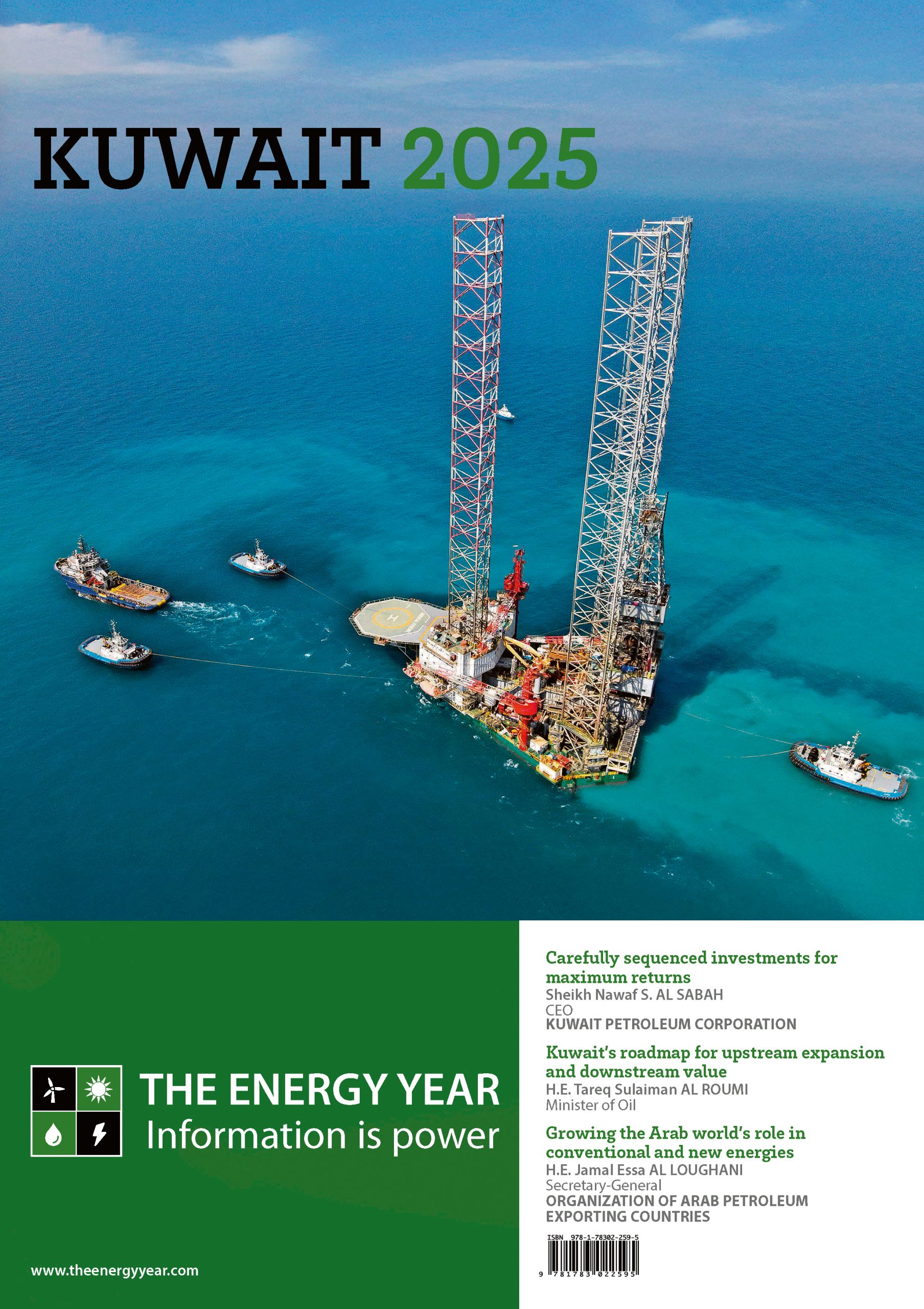
The Energy Year Kuwait 2025
The Energy Year Angola 2025
The Energy Year Nigeria 2025
The Energy Year Saudi Arabia 2025
The Energy Year UAE 2025

