
Jindal forges ahead in Mozambique
October 31, 2024 Mozambique


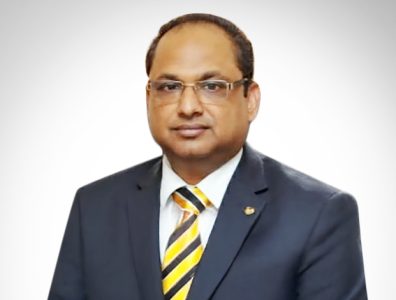
Parshant Kumar Goyal, CEO of Jindal Africa, talks to The Energy Year about tripling production and logistics capabilities at the Chirodzi mine and the company’s plans to expand into lithium mining. Jindal Africa, part of India’s OP Jindal Group, holds operating interests in Mozambique’s Chirodzi and Moatize mines.
Can you provide an overview of Jindal Africa’s portfolio?
In Mozambique, we mine around 5 million tonnes of run-of-mine coal per year, of which around 20% is metallurgical coal and 12% of thermal coal. We have mining concessions in South Africa, Botswana and Namibia for coal and iron ore and we are constructing a 700-MW thermal power plant in Botswana.
How important is Mozambique in that portfolio?
Mozambique is very important for the Jindal Group, and the Jindal Group is also important for Mozambique. We have two mines in the country. One is Chirodzi, which is operated by Jindal, and the other is Moatize, which is operated by Vulcan, another company within our Group.
The Sena line, from Moatize to Beira, is owned by CFM, the state-owned company that oversees Mozambique’s railway system, and we pay them access fees, but we own the rolling stock. We have 11 locomotives and 180 wagons on the Sena line.
What is the operational status and growth strategy of the Chirodzi mine?
We have plans to expand capacity to 15 million tonnes per year within the next 24 or 36 months. Increasing production is not an issue, but we need to resolve potential bottlenecks at the washing stage. We use the best technology to wash coal and improve its quality for the market, so we need a larger wash plant to handle the increase in production. We are building one capable of handling 10 million tonnes per year and it should be ready in the next 24 months.
The new plant will have zero water discharge. Water will be lost through evaporation during the washing process, but there is no other waste. Discharge water is used for power generation at an 8-MW plant we constructed on the site, or sent to treatment plants for processing so it can then be reused in agriculture.
The Chirodzi operation required relocating 325 families from the concession area. We supported them by constructing new homes and providing agricultural land for their use. We also provided access to water and built essential community infrastructure such as a church, a hospital, a school and a shopping complex.
Is the Group planning more acquisitions or venturing into the extraction of other minerals?
We are exploring possibilities to mine battery minerals, and we are in talks with some mining companies. The shift that is under way from fossil fuels to renewable energies will not be immediate and we want to remain leaders in core energy minerals during the transition period.
The group is also looking at solar generation. We have started constructing a 1-MW facility in Botswana that will be followed by more in other locations. The plan is to increase capacity gradually by building small-scale facilities at first to power our mining camps and then eventually expanding to larger plants that can feed power to the grid.
How does Jindal support local content initiatives in Mozambique?
When we procure supplies, we always opt for local businesses before regional or national providers. Materials and equipment that are not produced in Mozambique, such as wash plant components, we typically obtain in South Africa. When companies have Mozambican dealerships, we go through the dealer instead of directly to the company so that local businesses can benefit.
Our Chirodzi mine employs 1,100 people and only 60 are expats. They all received training from instructors that Jindal brought in from India or from our other international locations. When we built our power plant, Jindal trained around 250 local people who can now be employed as skilled workers in other construction projects in Mozambique.
What are some examples of services and equipment that Jindal might source locally?
Our excavators are owned by the company, and we have workshops where we can carry out repairs and maintenance on them. Other machinery, such as dumpers, we rent from local suppliers and outsource the maintenance to them. We are in talks with vendors to introduce electric dumpers at the Chirodzi mine. It’s a pioneering initiative, as no other mine in Southern Africa is using electric vehicles yet.
How do you expect the operations at Chirodzi will evolve in the next few years?
After we bring production to 15 million tonnes per year in the next three years, it will be maintained at that level for around five years while we consolidate the logistics around the operation. For a production increase of that size, we will need to triple our logistics capabilities. The full transition from fossil fuels to renewables will take at least 20 years and, during that time, coal will still be necessary for steelmaking. I expect we will continue to register very good growth.
Read our latest insights on:
-

Project highlight: Mozambique LNG
PROJECT HIGHLIGHT -
-

Project highlight: Mozambique’s Central Térmica de Temane
PROJECT HIGHLIGHT
More content from Mozambique


Quality seismic decisions for Angola
INTERVIEW
Latest news and features



Latest Reports


The Energy Year Oman 2026
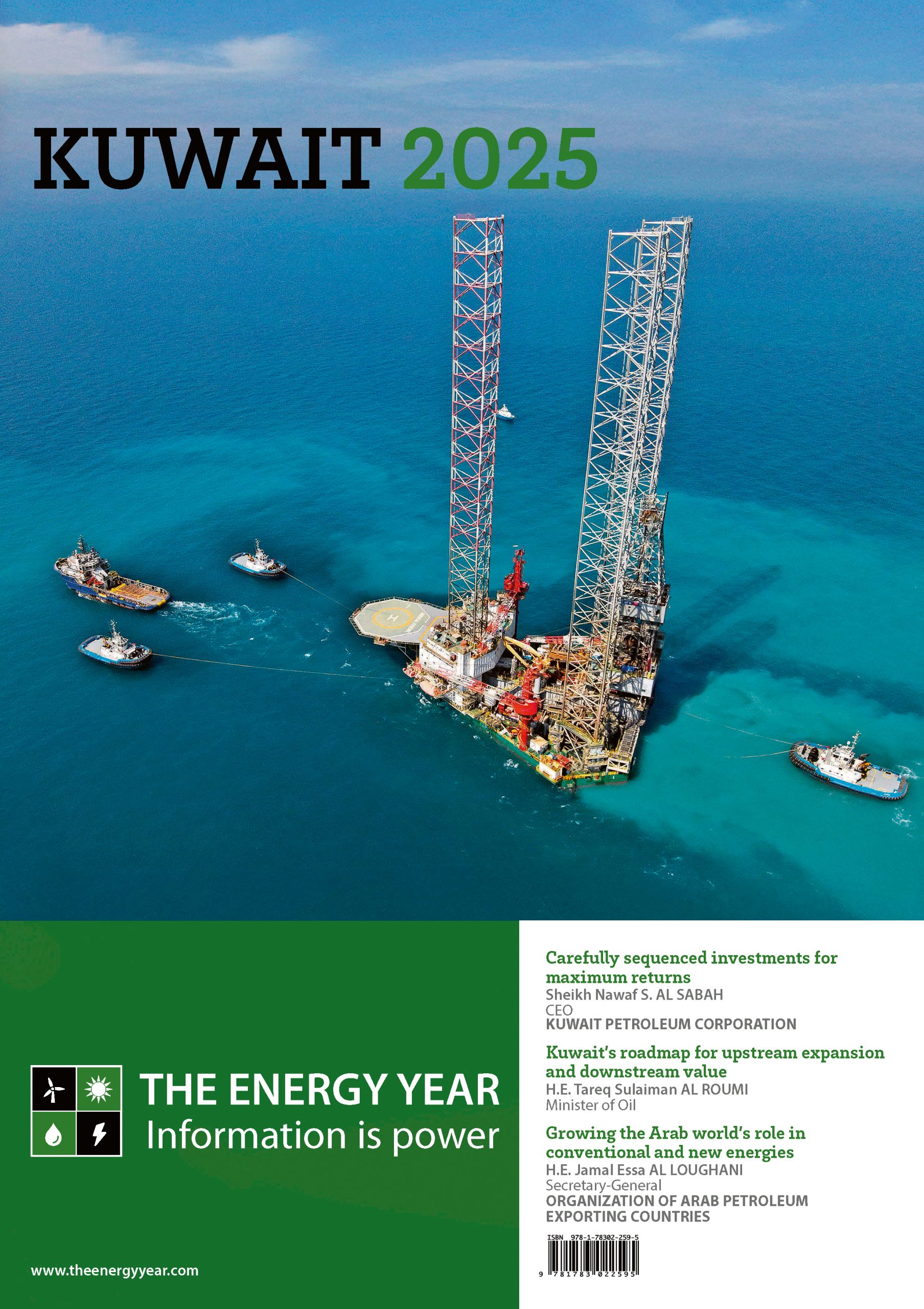
The Energy Year Kuwait 2025
The Energy Year Angola 2025
The Energy Year Nigeria 2025
The Energy Year Saudi Arabia 2025
The Energy Year UAE 2025

