

New laws to make Kuwait more business friendly
August 28, 2024 Kuwait


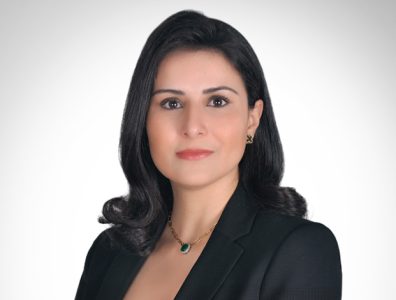
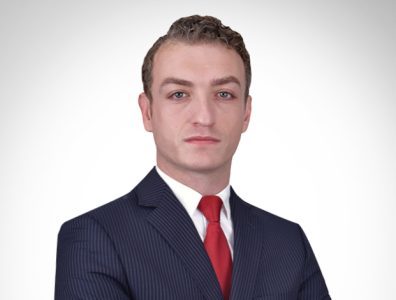
Ola Saab, head of Al Tamimi & Co.'s corporate commercial practice in Kuwait and Yanal Abul Failat, senior associate, corporate commercial, talk to The Energy Year about the latest advances in Kuwait’s legal framework and new incentives to attract international investments. Al Tamimi & Co. is a full-service law firm with offices across the Middle East.
How would you assess Kuwait’s efforts to create a business environment that’s attractive to international investors?
OLA SAAB: Kuwait used to be an investment hub in the GCC, and now the country is opening its doors once again by relaxing regulations and creating incentives to attract foreign direct investment. We are also seeing improved bureaucratic practices that are reducing red tape and easing bottlenecks that hamper progress. The biggest change lately has come from Law No. (1) of 2024, which lifts the requirement for foreign companies to have a local agent to open offices and start operations in Kuwait.
Some projects that will soon be tendered by KAPP have captured the attention of several international companies. Unfortunately, however, several other projects, particularly in the infrastructure sector, have been either delayed or re-tendered multiple times.
What are the main advantages of Law No. (1) of 2024 for companies wishing to conduct business in Kuwait?
OS: The amendments introduced by this law benefit foreign companies, as they can now participate in public tenders directly, without a local agent. However, several follow-up regulations are yet to be issued to further clarify and support the practicalities of the said law. For example, it is not yet clear how foreign companies that don’t have a local branch or designated agent should sponsor employees. Because of this and other uncertainties around implementation, some tenderers are still referring to the old law.
How could the regulatory framework be improved to make investors more confident about investing in Kuwait?
OS: To attract more international investors, Kuwait needs to restructure the law thoroughly, not just amend it. We know from our foreign clients who apply for KAPP projects that tendering requires significant time, manpower and capital resources. When investors are uncertain about timelines and there is a substantial risk that projects will be delayed, or even cancelled, their interest to participate in Kuwaiti markets is jeopardised.
What we need is firm decision making from authorities and a clear roadmap for all projects, as well as clear and transparent tender requirements. In the absence of these elements, the government needs to provide safeguards for investors and establish within the law itself specific conditions for compensation, as well as compensation amounts, to cover participants when they suffer losses due to projects being re-tendered or cancelled. Such initiatives would put investors more at ease and demonstrate a commitment towards creating a business-friendly environment.
How important is the amendment of the PPP law, and what are its major pros and cons?
OS: When the PPP law was amended in 2014, it was a big step forward. One of the key modifications was to allow project durations of more than 20 years, which makes the ventures more bankable and helps investors secure financing. Another great addition was allowing investors to pledge shares in the project company as collateral for loans, which also facilitates access to financing and can provide added security to lenders.
Elements of the law that still need to be modified include the terms linked to the lease of state-owned property. Most projects that are structured as PPPs must be located on state-owned land, which is usually allocated by the Kuwait municipality, which also determines what the land can be used for, and for how long.
However, lease agreements for state-owned land are also under the purview of the Ministry of Finance, according to Law No. 105 of 1980, as amended regarding state-owned property. The PPP law should clarify which entity has the right to sign the lease agreement, whether the public entity or the Ministry of Finance, as per the State-Owned Property Law.
Can you give us an overview of Al Tamimi’s footprint in the region and the firm’s competitive advantages?
OS: We are the biggest corporate law firm in the region, with more than 450 attorneys in 17 offices across 10 countries, and we have professionals from more than 50 different nationalities.
Recognising the important role Kuwait plays in the GCC and the potential for its influence to increase, we opened our first office here in 2009. Our deep understanding of local business practices and our international capabilities allow us to advise on a range of matters including M&As, corporate restructurings, PPPs and infrastructure projects, arbitration and dispute resolution, litigation and tax consultancy.
It is often the case that the business that brings our clients to Kuwait extends to other countries in the region, and what makes our firm stand out is that we can offer specialist legal advice for any number of jurisdictions, from the UAE to Kuwait and from Jordan to Morocco. Clients consider us as their nearest-to-home law firm. Whenever they need a professional, even immediately, we are there on the ground.
What sectors of the Kuwaiti economy are bringing you the most business, and how is Al Tamimi preparing for an increasingly dynamic business landscape?
OS: 2022 and 2023 were busy years for our teams involved in domestic restructurings and M&A transactions. Among other deals, we recently participated in advising a local company in relation to the acquisition of distribution rights in Kuwait and the region and DSV Panalpina’s acquisition of Agility’s global integrated logistics business, acting as legal counsel.
We also advised Blackstone Inc. on the acquisition of a majority stake in Emerson’s climate technologies, with respect to securing merger control clearance from Kuwait’s Competition Protection Agency.
Competition law is an area of steady expansion. In 2024, we have already received eight requests to support M&A transactions coming from different sectors, so we expect to see a good amount of activity in that segment in the foreseeable future.
Activity from foreign firms seeking to participate in nascent or established Kuwaiti ventures has been subdued in comparison, but we expect it to pick up. Kuwaiti businesspeople are known for their sharp entrepreneurial skills and their ability to devise and sell innovative ideas, especially when it comes to the younger generations. Our foreign clients find the Kuwaiti market very attractive, as do investors.
Can you walk us through the company’s latest initiatives to strengthen its position as a legal partner for oil and gas players?
YANAL FAILAT: As a full-service law firm, Al Tamimi excels in various practice areas, but we place special emphasis on the oil and gas sector. Our team has extensive experience advising oil and gas E&P companies across the MENA region. In a strategic move, we recently established a dedicated energy and resources group, which brings together more than 25 Al Tamimi lawyers with specialistic experience.
The group is already playing a key role in the Kuwait office, advising both public-sector entities and private clients. Our strong relationships with government authorities and industry players position us as the preferred legal partner in Kuwait’s dynamic energy landscape.
What key trends are you seeing in Kuwait’s hydrocarbons sector?
YF: On the licensing side, the K-companies are increasingly often resorting to enhanced technical service agreements (ETSAs). ETSAs are a hybrid between production-sharing agreements and traditional technical service agreements, which give IOCs greater involvement in upstream activities without granting them control over oil and gas reserves. They compensate IOCs for their technical expertise and often include incentives tied to production targets.
ETSAs reflect Kuwait’s cautious approach towards foreign involvement in its oil and gas sector. They allow for greater involvement by IOCs and potentially bring exposure to advanced technical capabilities, which is crucial for the development and modernisation of Kuwait’s oil and gas industry. However, ETSAs allow host countries to maintain control over their resources, keeping them in a position to protect their national interests.
What opportunities do you see ahead for Al Tamimi in the oil and gas sector?
YF: KPC is revising its contracting strategy to diversify its contractor base in different areas and relying more heavily on penalty clauses to protect the company from non-compliance and performance failures.
The strategy also emphasises pre-emptive contract renewals and a more thorough evaluation of requirements before issuing tenders. The objectives are to increase the efficiency and accountability of contractors, reduce the risk of project delays and ensure strict compliance with security and safety standards.
We believe this approach can lead to more cost-effective and transparent operations, improving the overall performance of KPC projects and, ultimately, the Kuwaiti market as a whole. Al Tamimi can offer legal expertise in this context, ensuring contracts are robust, clear and enforceable.
We are excited about Kuwait drilling offshore wells for the first time. Our teams have advised IOCs on offshore projects in the region and internationally and look forward to supporting clients in the context of KOC’s plans to mobilise offshore drilling rigs over the next few years.
Looking ahead, what are some business areas that Al Tamimi is seeking to reinforce?
OS: We look forward to participating in more domestic M&A deals and strengthening our team in areas of expertise that can enhance our capabilities for business in the MENA region. This includes establishing new partnerships with local stakeholders.
We are also planning to work closely with governmental bodies and industry stakeholders to help reinforce the legal framework of the industries we serve, working towards the implementation of policies and regulations that are fair, efficient and transparent.
Read our latest insights on:
More content from Kuwait





Quality seismic decisions for Angola
INTERVIEW
Latest news and features




Latest Reports


The Energy Year Oman 2026
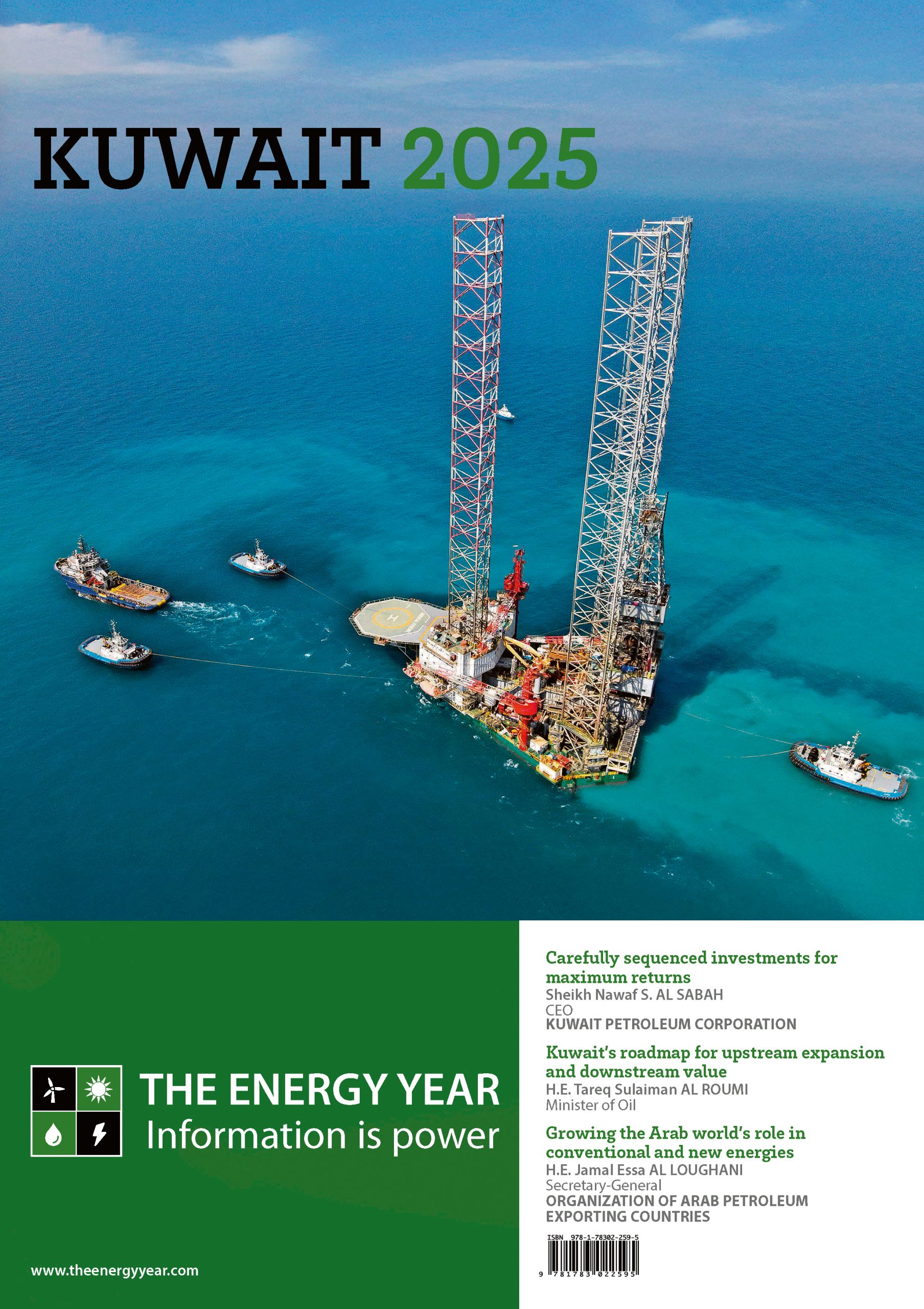
The Energy Year Kuwait 2025
The Energy Year Angola 2025
The Energy Year Nigeria 2025
The Energy Year Saudi Arabia 2025

The Energy Year UAE 2025

