
Nigeria’s CNG expansion accelerates after subsidy reform
February 19, 2026 Nigeria


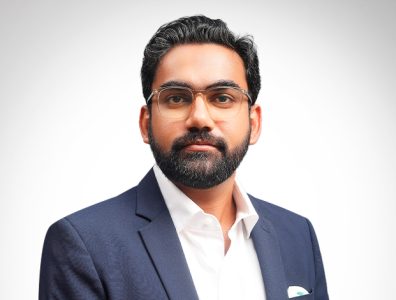
Sumeet Singh, CEO of Powergas Africa, talks to The Energy Year about scaling CNG distribution in response to subsidy reforms and expanding off-grid gas infrastructure to meet Nigeria’s rising energy needs. Powergas is Africa’s largest CNG producer and distributor and a pioneer in virtual-pipeline gas distribution.
How has Powergas expanded its network and operations over the past year?
From a geographical standpoint, our national footprint has remained consistent, but the major development is the Ajaokuta natural gas compression facility, which is now under construction. All the regulatory permits are in place, and the long-lead equipment is already on its way. The year, we expect this to enable us to reach the northern regions – an area we’ve always considered a strategic priority.
In terms of operations, in November we commissioned an ore compression facility with an NGV Station on a major highway. The Honourable Minister of State for Petroleum Resources Rt. Hon. Dr Ekperikpe Ekpo along with some members of the leadership team of NNPCL, led by Executive Vice President, Gas Power and New Energy Mr Olalekan Ogunleye and other dignitaries attended the official launch, underscoring its significance.
Our fleet of CNG trucks has also seen robust growth – from 200 trucks last year to 250 within the past 10 months. We have more on order and expect to reach between 300 and 350 trucks in the next 6-12 months.
Another strategic move has been expanding our footprint in the autogas sector. With the visible rise in demand for CNG trucks, execution of fuelling infrastructure has lagged. People are queuing up at filling stations, which presents a collective challenge to address. The sector is actively working on adding more fuelling points, particularly in major metropolises such as Lagos and Abuja and along key highway corridors to help alleviate congestion.
What’s driving the increased demand for CNG and autogas in Nigeria?
The biggest factor has been the removal of the fuel subsidy. That single change eliminated a major barrier to growth in the autogas sector. For years, the economics simply didn’t support switching, but now we’re seeing a rapid acceleration in demand, especially in the commercial transport space.
The Presidential Initiative on CNG has also helped. By bringing in and distributing conversion kits, the government created a springboard for adoption. Combined with the devaluation of the naira, which pushed up the cost of diesel and petrol, the savings potential from switching to CNG has become far more compelling.
There’s also a clear cost arbitrage now. Users comparing fuel expenses are seeing tangible business benefits from CNG, whether they’re coming from petrol or diesel. That cost advantage is expected to grow, which will further reinforce the shift towards gas-based options.
This transition isn’t limited to gas. The broader move toward cleaner fuels is starting to take shape. The growing presence of EVs in Nigeria reflects how both the public and private sectors are opening up to alternative energy solutions in mobility.
Is growing competition in the sector helping or hurting your position?
In our case, competition is welcome and even necessary. The demand for CNG is growing so quickly that supply is lagging behind. One company alone cannot meet this demand. When more players enter the market, they not only help scale infrastructure more rapidly, but they also build confidence among end users that the fuel supply is reliable and resilient.
It’s not just about Powergas putting up 100 new stations overnight. It’s about 50 new participants each contributing two stations and gradually growing their networks. That way, the entire ecosystem scales together. So yes, while competition naturally brings its own challenges, in this sector, it’s contributing positively to growth.
How do you assess the financing landscape for energy projects today?
The financing environment is improving, but it hinges on macro stability. When there’s political and fiscal stability and a strong business case, private capital begins to flow. And when private capital flows, so does debt financing, whether local or international.
This is not a new opportunity. What’s new is that the enabling levers have been activated: regulatory clarity, government support and viable economics. The opportunities were always there; the market just needed the right alignment of factors. Now, we’re seeing those alignments materialise, and that’s why more investors are stepping in.
With the Decade of Gas underway, what’s your vision for the medium term?
The core issue is Nigeria’s energy gap. Whether you’re talking about gas, solar or hydro, everyone is working toward the same goal: bridging the energy shortfall. An NOC is putting up gas processing facilities, not just for transport but because there’s unmet demand across the country. We’re doing the same, because grid-based power is simply not growing.
If energy demand is rising but grid infrastructure isn’t keeping pace, off-grid solutions such as gas, solar and hybrids will fill the void. We’ve seen import traffic at ports returning to pre-pandemic levels after years of decline, and that’s a proxy for renewed industrial and economic activity. More imports mean more factories and more factories mean higher power needs. These manufacturers need reliable energy, and that’s where decentralised gas-based or hybrid solutions come into play.
In the north, for example, cities such as Kano are no longer isolated from gas supply. With L-CNG solutions and growing CNG trucking networks, using gas isn’t a dream anymore – it’s reality.
Read our latest insights on:
-

-

A new opening for African gas
INTERVIEW -

More content from Nigeria


Quality seismic decisions for Angola
INTERVIEW
Latest news and features




Latest Reports


The Energy Year Oman 2026
The Energy Year Kuwait 2025
The Energy Year Angola 2025
The Energy Year Nigeria 2025
The Energy Year Saudi Arabia 2025
The Energy Year UAE 2025

