
Paving the way for energy success
September 12, 2024 Mozambique


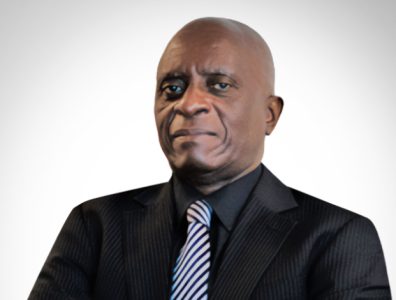
Mozambican Minister of Mineral Resources and Energy Carlos Zacarias talks to The Energy Year about overcoming security challenges to capitalise on Mozambique’s vast natural gas resources, the ministry’s main objectives for 2024 and how it is implementing the national energy transition strategy.
This interview is featured in The Energy Year Mozambique 2024
What are the Ministry of Mineral Resources and Energy’s main objectives for 2024?
Our work revolves around three key areas: oil and gas, mining and the broader energy industry with its various sub-sectors. This year, we have specific objectives for each of these areas.
A key focus for this year is the revitalisation of gas projects in the Rovuma Basin. These projects hold great promise for supplying gas domestically. This domestically available gas could significantly contribute to industrialisation efforts. Our current efforts are concentrated on two projects in the Rovuma Basin, with an estimated combined output of 900 mcf [25.5 mcm] of gas per day.
This gas could be used for various energy production projects, potentially including the GTL project, methanol production and fertiliser plants. The development of these projects would not only generate energy but also spur the growth of diverse industries and the construction of essential infrastructure such as pipelines, maintenance stations, irrigation systems and ports.
The mining sector currently employs the greatest number of people of any sector in Mozambique. However, there are significant challenges to address. Much of the mining activity is informal, involving a large number of people who are economically disadvantaged. To address this in a balanced manner, we give support to established, formal mining companies operating across all three regions of the country – south, central and north.
Notably, Cabo Delgado holds the country’s largest graphite deposits. Our aim is to solidify the graphite production industry and encourage the local processing of this resource, which is in high demand internationally.
The energy industry is particularly important due to government programmes aimed at providing energy for everyone by 2030. We are working towards this goal and we are seeing good results.
How is Mozambique capitalising on its natural gas resources?
The 2022 commencement of gas production through the Coral Sul FLNG vessel was a significant milestone for Mozambique. This marked the development and successful export of the first gas from the Rovuma Basin and solidified the country’s position as a new player in the world’s LNG market.
However, our gas resources are vast and extend beyond the recent exports. While not as widely discussed, existing resources currently supply gas to industries in southern Mozambique.
To capitalise on this abundant resource, we have major projects such as Mozambique LNG, led by TotalEnergies, and Rovuma LNG, led by ExxonMobil and Eni. These two projects have the potential to significantly boost LNG production, with an estimated combined supply of almost 30 million tonnes per year. This development would not only solidify Mozambique as a major global LNG supplier but also have a transformative impact, potentially increasing flexibility for other associated projects.
The success of these projects hinges on collaboration between various stakeholders, including investors such as Eni, ExxonMobil, TotalEnergies and the Mozambican government. The experience gained from the Coral Sul project serves as a prime example of this successful collaboration.
What are the main challenges and opportunities in the country’s hydrocarbons sector?
The hydrocarbons sector has faced challenges in the past, particularly regarding stability. While these issues initially hindered project development, there are clear signs that stability has been restored. This paves the way for the resumption of projects in both Area 1 and Area 4 in the near future.
Another significant challenge lies in securing full co-operation from international financial institutions. Given the involvement of our national hydrocarbons company, negotiating the best possible terms is crucial. The experience in Pande and Temane and Coral Sul FLNG is an indicator of the stability and collaboration between the investors and the government of Mozambique.
Beyond production and exports, there are exciting developments in the downstream sector. This includes infrastructure development aimed at capturing and supplying natural gas domestically. An additional, often underemphasised, aspect is the constant need to build institutional capacity.
This applies not only to companies operating in the sector but also to government institutions and SMEs. By building capacity across these entities and ensuring that Mozambican SMEs and workers are contracted locally to participate in oil and gas projects, we can create increased employment opportunities within the sector and throughout society.
How confident are you that Mozambique LNG and Rovuma LNG will resume operations and contribute to growing the country’s gas sector?
The instability that greatly affected the sites where these projects are to be implemented is now completely under control. We naturally hope that in the near future, without specifying dates, Mozambique LNG and Rovuma LNG will resume as soon as possible.
These are indeed very large projects that require substantial investments and will bring many long-term benefits to the country. When the revenue and benefit forecasts were initially made, it was agreed that these projects would be transformative for Mozambique.
It must be equally said that Mozambique has proven its ability to foster oil and gas projects – such as Pande and Temane and Coral Sul FLNG – and, historically, to overcome security instability. Therefore, the government of Mozambique is adamant about continuing to move towards the full materialisation of the Mozambique and Rovuma LNG Projects and Mozambique´s socioeconomic success.
How significant are regional agreements for Mozambique’s energy security?
Mozambique has fostered collaboration with neighbouring SADC [Southern African Development Community] countries across various sectors, including hydrocarbons. In the natural gas sector specifically, we have a long-standing partnership with Tanzania. Recently, other countries such as Zimbabwe and Zambia have expressed interest in Mozambican natural gas, and we anticipate significant growth in regional co-operation within this sector.
Discussions are underway with Eswatini regarding potential natural gas supplies, and South Africa, a long-time partner, has expressed interest in utilising Mozambican natural gas for electricity generation, which would strengthen their energy security.
What steps has the ministry taken to implement the national energy transition strategy?
Mozambique recently launched its energy transition strategy, reaffirming our commitment to utilising our diverse energy resources. Hydroelectric power is a current strength, but we see significant potential in renewable energies such as solar and wind.
Just this week [early July 2024], the approval of a USD 99-million loan from the US International Development Finance Corporation for our first wind power project marked a major step forward. This 120-MW project is located near Namaacha in the country’s south.
Natural gas also plays a role in our energy mix, with existing generation plants in Maputo and Ressano Garcia. The Central Térmica de Temane (CTT) project, which recently began producing, further strengthens our generation capacity.
While blessed with various resources such as hydropower, solar, wind and natural gas, our strategy prioritises utilising these resources for national development. Our ultimate goal is self-sufficiency in electricity production and distribution.
Recognising the potential for growth in generation capacity, we have defined various programmes, including investments in electricity production. These developments hold significant promise for regional and international investors. Opportunities extend beyond traditional generation, with waste production projects and the transition to purely renewable sources such as solar and wind offering additional avenues for investment.
Though fossil fuels are still used for transportation, we acknowledge the critical need to move towards green energy in this sector. A programme is currently under development to address this challenge, and we anticipate broad support for this initiative. It’s important to note that despite having substantial coal reserves, Mozambique does not rely heavily on coal for energy generation.
What is your message to investors interested in Mozambique?
My key message is that Mozambique boasts vast energy resources with the potential to significantly impact both our nation and the region. Investments made here will not only contribute to Mozambique’s development but will also have a significant influence across Southern Africa.
Our strategic location as a coastal nation allows easy grid interconnections with neighbouring SADC countries such as South Africa, Zimbabwe and Eswatini. These connections can be further strengthened through strategic investments in the energy industry, ensuring Mozambique plays a leading role in the region’s energy future.
Read our latest insights on:
-
Project highlight: Mozambique LNG
PROJECT HIGHLIGHT -
-

Project highlight: Mozambique’s Central Térmica de Temane
PROJECT HIGHLIGHT
More content from Mozambique


Quality seismic decisions for Angola
INTERVIEW
Latest news and features



Latest Reports
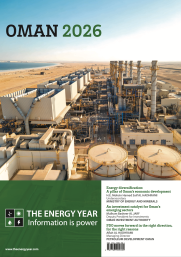


The Energy Year Oman 2026
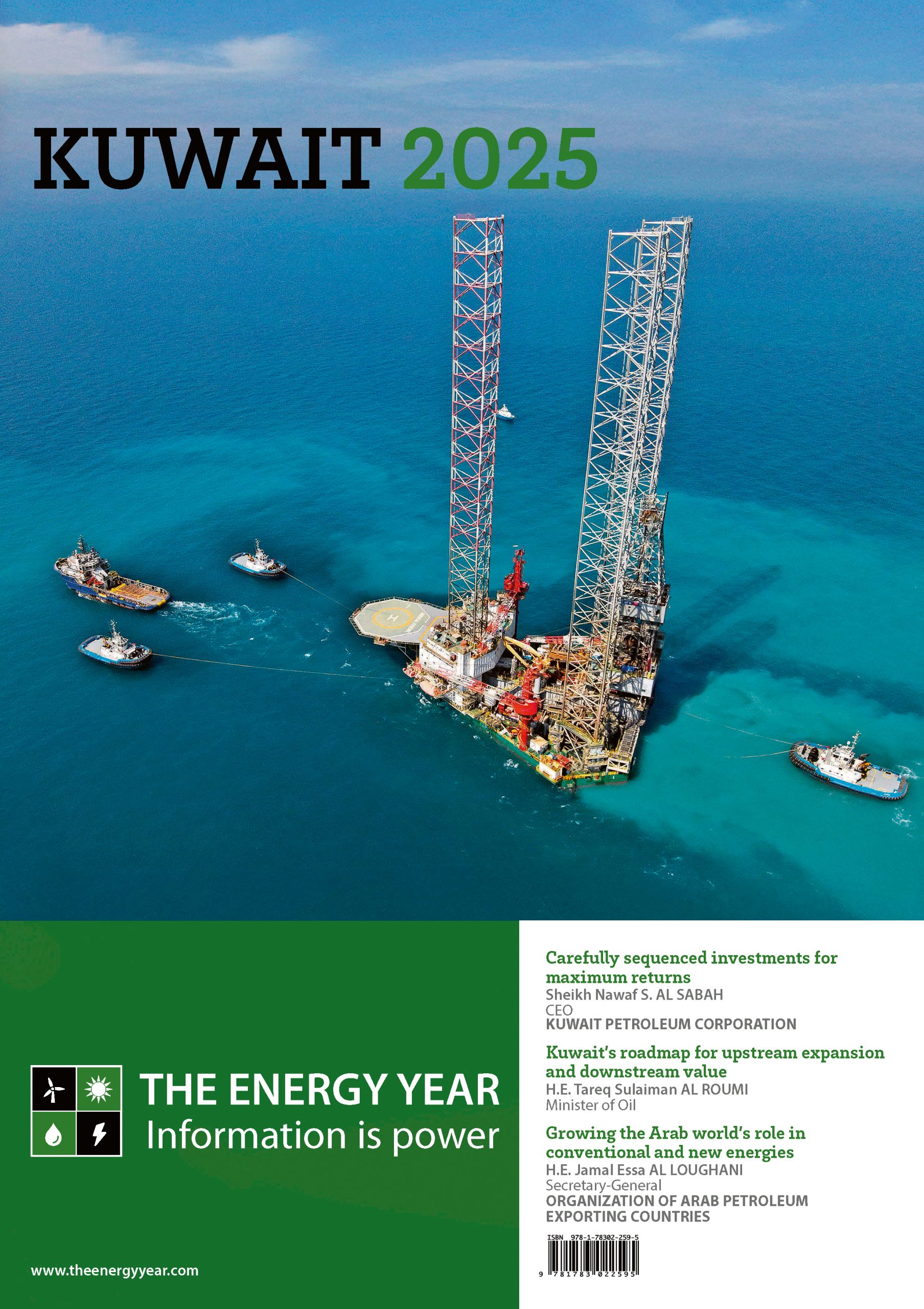
The Energy Year Kuwait 2025
The Energy Year Angola 2025
The Energy Year Nigeria 2025
The Energy Year Saudi Arabia 2025
The Energy Year UAE 2025

