
Practical, scalable solar solutions for Kuwait
June 3, 2025 Kuwait


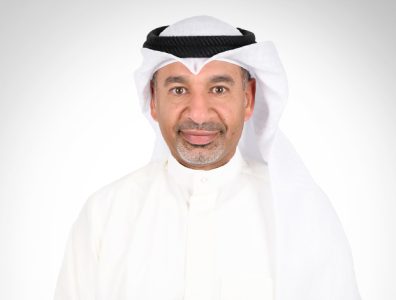
Hamad Al Radhan, CEO of Life Energy, talks to The Energy Year about the huge potential of Kuwait’s solar generation market and developing systems with oil and gas companies for large-scale reductions in power consumption. Life Energy is a Kuwaiti renewables company specialising in generation equipment and energy efficiency.
How does Life Energy assess the renewables sector in Kuwait following recent policy developments?
Things are generally positive. Momentum is building, especially following key policy changes such as the Amiri decrees of 2022 and 2023 and the policy allowing the Ministry of Electricity & Water & Renewable Energy (MEWRE) to purchase all kinds of power, not just solar, from third parties.
That said, the execution of the regulation still faces challenges. We are seeing delays in implementation. Two recent ministerial changes have delayed progress, and there is also a lack of clarity in the regulatory framework – cost structures and implementation guidelines haven’t yet been defined. However, we are cautiously optimistic that things will move faster than before.
The shift from centralised tendering and PPAs such as the one for Shagaya towards allowing direct electricity sales by private producers, such as those installing solar panels on rooftops and car parks, is very promising. The new law allows the MEWRE to buy electricity directly from them and opens the door to decentralised energy and greater participation from the private sector. It is similar to the net metering systems in Dubai and Oman, although Kuwait’s version has yet to be fully implemented.
What is the capacity of the renewables projects currently in the pipeline?
If we compile what has been announced by the MEWRE, the oil sector and other entities, we are looking at around 13.5 GW in projects, including Shagaya. Although many were announced in 2023, many were delayed, and few have materialised. Tendering is slow, and no major contracts have been signed since, but the appetite is growing. The oil sector, in particular, is targeting gigawatt-scale opportunities.
How are you involved with the oil and gas sector?
We engage directly with companies, raising awareness about renewables and proposing solutions. Our approach isn’t to wait for tenders – we advocate for action. We offer technical insight, present new technologies and provide specific solutions, including hybrid systems, for particular needs. We are not consultants, but as an EPC company, we assist with data analysis and system designs.
We are seeing a lot of interest, for example, in replacing diesel generators in off-grid locations as the oil and gas sector gradually deploys hybrid solutions. We began to promote them last year and continue to work with key decision makers in that space. Transitioning from diesel to hybrid or fully renewable systems is appealing, but it isn’t a core focus for these companies, so we must engage with them on a project-by-project basis.
Has your share of the market for rooftop and car park solar installations evolved since 2024?
We continue to hold a leading position in the rooftop and car park solar segments. While large new tenders are slow because traditional on-grid solar remains the priority due to electricity shortages, we recently completed and commissioned a 6.8-MW project with KOTC – the largest of its kind in recent years.
What are the prospects for expanding your business to other GCC countries?
We see significant untapped potential in the rooftop and distributed solar segments across the GCC. Since most players focus on utility-scale projects, the smaller-scale commercial and industrial sector is underserved. This presents an opportunity for us to lead in a space that requires solid technical delivery and offers long-term value.
Our model is built to simplify the transition to solar by offering fully managed, end-to-end solutions under long-term agreements that remove the need for upfront investment or technical involvement. In a region where solar is often seen as an environmental commitment rather than a financial decision, we aim to shift that perception by delivering clear economic value.
Through flexible commercial structures such as fixed payments or shared savings, we lower the barriers to entry and align with the financial goals of institutions pursuing ESG targets. This approach allows us to drive wider adoption and support the region’s energy transition.
What impact can your clients expect on their emissions?
We help clients understand the environmental impact of their installations, for example, in terms of how many cars’ worth of emissions they displace. This builds awareness and accelerates decisions, especially in sectors where ROI is not the only motivator. However, real transformation will require government incentives. Compared to Europe or Asia, or even countries such as Jordan, Kuwait lags in adoption.
Something else we can offer is energy efficiency improvements. This is a major, underexplored market. Most players focus on producing energy, but saving it is equally important. We have completed energy-saving projects in the past and are looking to expand with partners in the oil and gas sector and beyond to build systems that reduce consumption at scale.
Can Life Energy play a role in supporting government transition strategies?
Absolutely, and we are already actively engaged. Life Energy works closely with government entities, regularly meeting with key ministries to present data-driven insights, share international best practices and propose practical, scalable solutions. Our approach is tailored to each stakeholder and aims to create effective policies and accelerate implementation on the ground.
Kuwait is rich with opportunity, yet many projects fail to materialise. Once the policy framework is in place, it will be one of the most attractive markets in the region. There are multiple projects ready to go, and a mature contracting system is in place; the only missing ingredient is consistent governmental action. With that in place, Kuwait’s renewables sector could explode. There are more than 15 GW of projects in the pipeline.
Read our latest insights on:
More content from Kuwait





Quality seismic decisions for Angola
INTERVIEW
Latest news and features



Latest Reports


The Energy Year Oman 2026
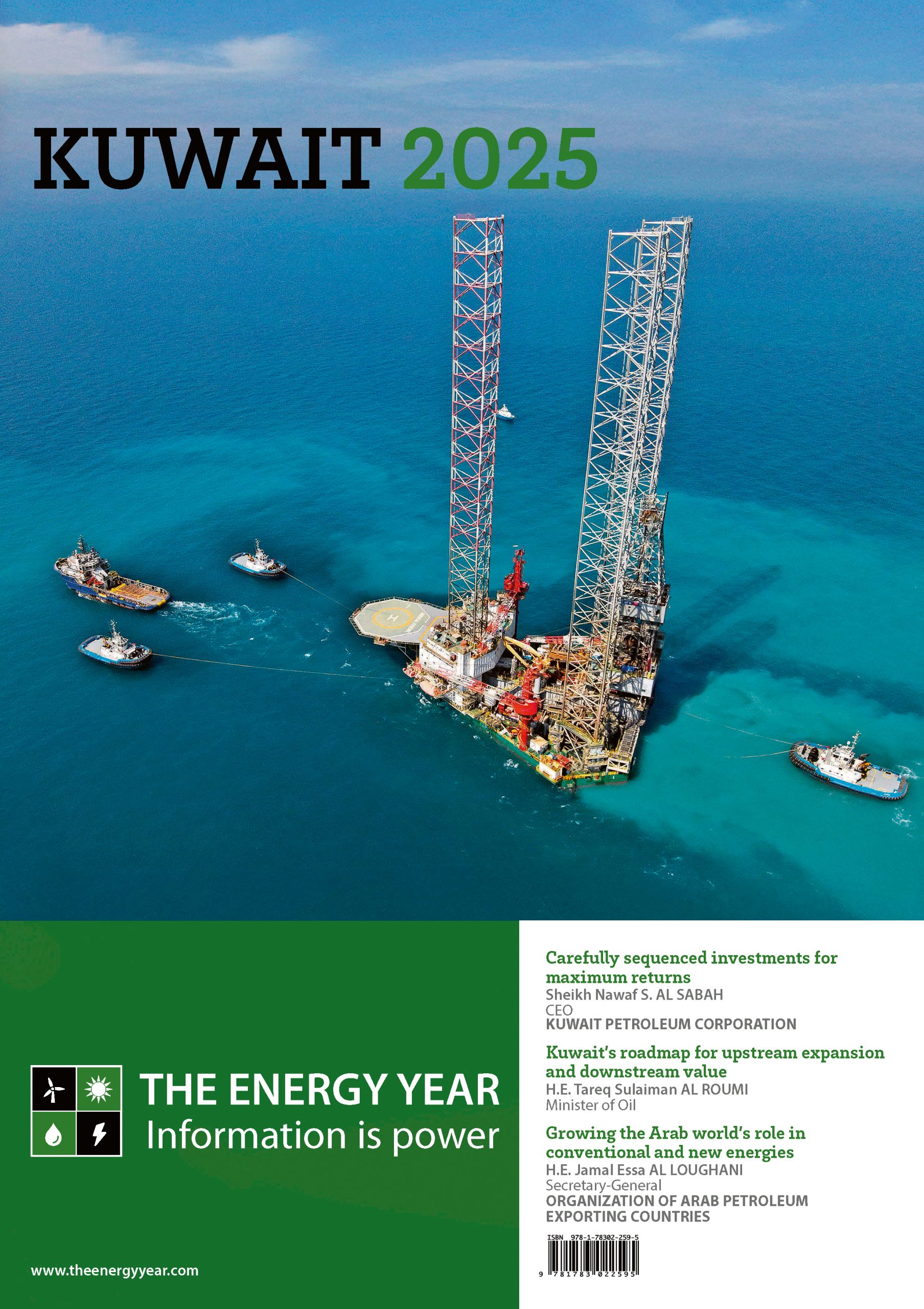
The Energy Year Kuwait 2025
The Energy Year Angola 2025
The Energy Year Nigeria 2025
The Energy Year Saudi Arabia 2025
The Energy Year UAE 2025

