

in figures
Design production capacity:100,000 tpy
Estimated total investment:USD 1.6 billion
Series A and Series B financing:USD 338 million
Project highlight: United Solar Polysilicon plant in Sohar, Oman
December 18, 2025 Oman
Oman 


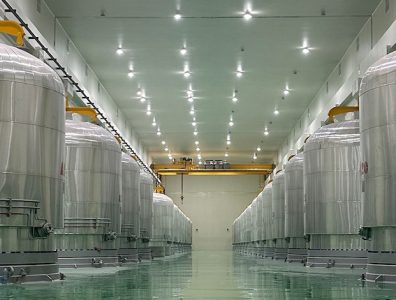
United Solar Polysilicon (USP) is building a greenfield manufacturing plant in SOHAR Port and Freezone to turn out 100,000 tonnes per year (tpy) of high-purity polysilicon, an essential input in the production of solar cells. With an estimated investment exceeding USD 1.6 billion, the facility will be able to supply enough polysilicon to domestic and export markets to manufacture 40 GW worth of solar modules per year.
Based on a modular design that allows for quick scaling of production, USP will leverage automation and energy efficiency technologies to supply polysilicon at a price point comparable to that of established manufacturers.
KEY PLAYERS: USP is an Omani SPV established by renewables veteran Longguen Zhang and wholly owned by United Solar Holding (USH), whose shareholders include Saudi Arabia’s ewpartners and Chinese private equity firm IDG Capital.
INVESTMENT: Total investment is estimated to exceed USD 1.6 billion. IDG Capital contributed USD 158 million in Series A financing, and the project raised an additional USD 180 million in three tranches of Series B financing.
Future Fund Oman joined the project in 2024 with an investment of USD 156 million, and in 2025, the IFC extended USD 200 million in project finance to implement the project and USD 50 million in preferred USH equity to fund capex. Oman Arab Bank and Sohar International Bank have extended debt financing for USD 260 million, and Bank Dhofar for USD 60 million.
TIMELINE:
Q2 2023: USP established
Q4 2023: Series A financing closed
Q1 2024: Start of construction
Q3 2024: Future Fund Oman joins the project
Q2 2025: Series B financing closed
Q3 2025: IFC joins the project
Q4 2025: Scheduled start of trial production
SPECIFICATIONS: USP will utilise metallurgical-grade silicon to produce high-purity polysilicon rods, the primary feedstock material for manufacturing solar cells. A separate facility on the site will crush the rods to prepare them for casting into multicristalline ingots, which can be sliced into wafers for solar cells. Initial output will be 50,000 tpy, to be ramped up to 100,000 tpy as market uptake grows.
BENEFITS: USP’s process will be highly automated to lower unit labour costs and maximise the traceability of output, and is designed to recover gas and liquid effluents for zero wastewater discharge. The company estimates that solar generation resulting from its production can offset up to 40 million tpy of carbon dioxide emissions.
MARKET OUTLOOK: The IEA estimates global solar PV capacity exceeded 2.2 TW at end-2024, up from 1.6 TW, and expects demand for solar installations to continue to grow. As several countries in the Middle East ramp up solar manufacturing capacity to supply domestic generation projects and international markets, Oman is one of the few with credible capabilities in three key phases of the manufacturing chain: polysilicon, cells and modules.
Photo courtesy of United Solar Polysilicon
Read our latest insights on:
More content from Oman





Quality seismic decisions for Angola
INTERVIEW
Latest news and features



Latest Reports


The Energy Year Oman 2026
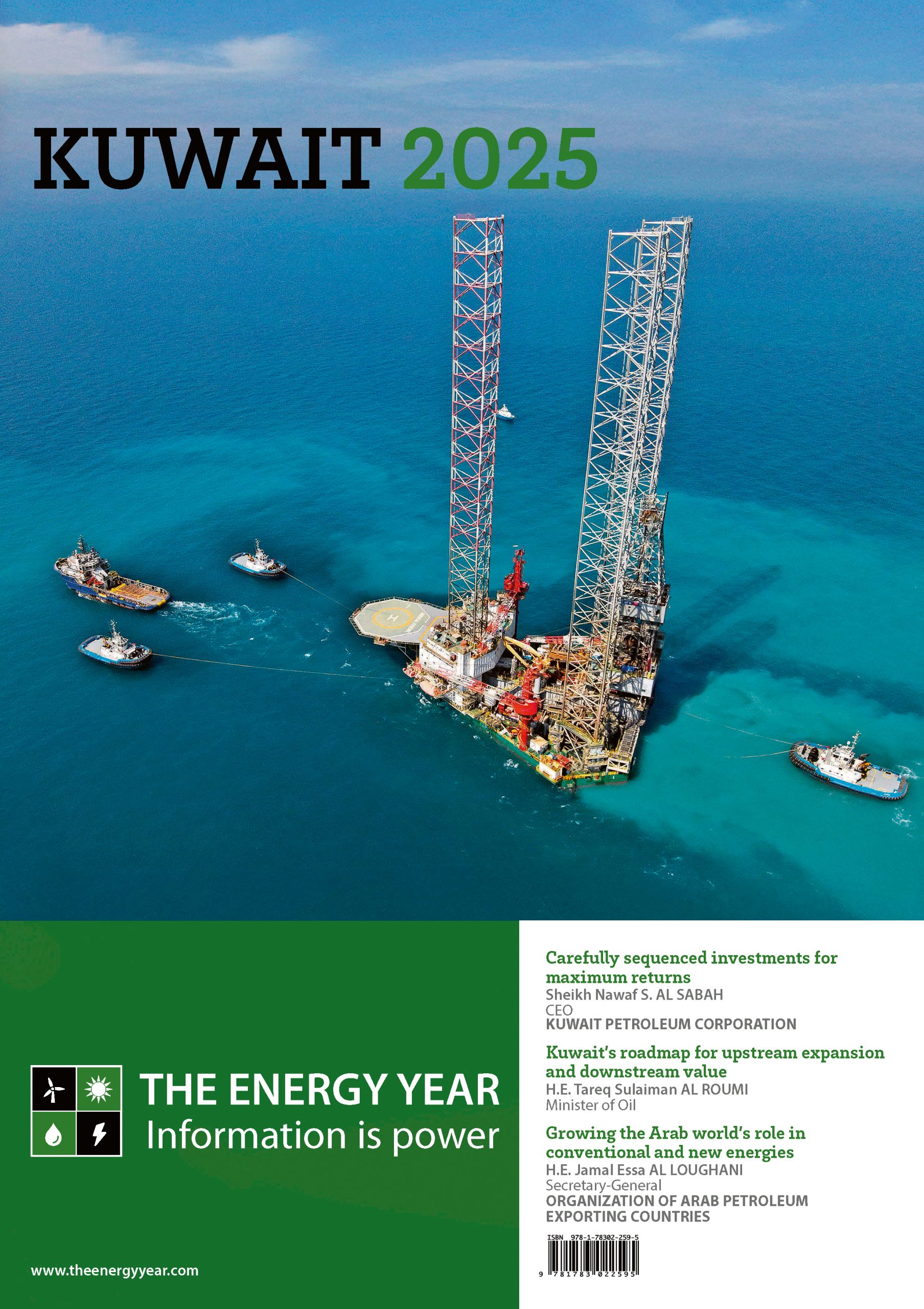
The Energy Year Kuwait 2025
The Energy Year Angola 2025
The Energy Year Nigeria 2025
The Energy Year Saudi Arabia 2025
The Energy Year UAE 2025

