
Taking “Made in UAE” to new heights in global markets
March 8, 2025 UAE
UAE 


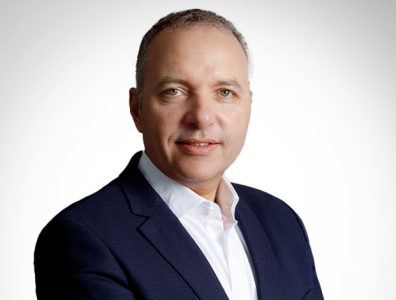
Abdallah Massaad, Group CEO of RAK Ceramics, talks to The Energy Year about pursuing energy and materials efficiency to manufacture increasingly sustainable products and the high value that international markets place on the “Made in the UAE” brand. RAK Ceramics is a UAE-based ceramic and gres porcelain manufacturer with 23 plants in the UAE, India, Bangladesh and Europe.
How have you incorporated sustainability into your manufacturing processes?
In 2014, we started focusing on R&D for sustainability and the digital transformation of our manufacturing processes. We eventually became the first company worldwide to use digital printing on tile surfaces. Ceramics manufacturing requires much heavy machinery, so energy efficiency and sustainability have been priorities for us for years.
As our energy consumption was never subsidised by the government, we were forced to pursue efficiency, heat recovery, water savings, recycling and circularity to stay competitive in the market. We invested in water treatment systems because water is very expensive in the UAE. Today we reuse 100% of the waste water we produce in our operations.
How important is the UAE brand in global markets?
We have invested in regions with cheaper energy, manpower and raw materials, but Ras Al Khaimah in the UAE has stood out due to its efficiency, and the market has a high perception of products labelled “Made in UAE.” The UAE’s branding efforts have greatly supported our own, helping us position our high-quality, innovative products as premium offerings from a premium country – and people have embraced them globally.
We attempted selling cheaper products made in other countries but they were less successful, underscoring the importance of the UAE’s reputation. As RAK Ceramics, we take pride in our role in building the UAE brand together with other companies and government entities, and in seeing the value of the “Made in the UAE” label rise worldwide.
What are some ways in which you have digitalised your manufacturing?
We constantly upgrade our machinery to stay at the forefront of technology. A factory of ours that was completed in 2000 was converted into a fully digital, smart factory in 2024. Contributions from our internal technology teams and their collaboration with ceramics manufacturers and machinery suppliers from Italy, Spain and Germany have been crucial to pursue innovation, efficiency and upgrades over the years.
We have also partnered with digital companies, engineers and startups to explore new ideas. Recent advancements in nozzles and burners have helped us achieve energy savings of 20%. In the past five years, ongoing trials and investments in innovation, efficiency and sustainability have yielded huge returns. We try to pursue every opportunity to differentiate ourselves.
Can you provide some examples of sustainability practices you have recently adopted?
We have focused on reusing materials to create sustainable products to overcome the challenges presented by different materials and waste during production. We have developed a fully recycled product series and can offer products made from 100% reused materials. We have launched programmes to repurpose sanitary ware and give it new life in other applications.
In terms of energy, regulations have held us back from adopting solar, but progress is now being made. We transitioned away from heavy oils to LPG, LNG and natural gas, and we are prepared to adopt hydrogen once it becomes available. Supported by the government, our operations have become sustainable above what is required as we reduce our environmental impact and align with the UAE’s vision for sustainability.
Read our latest insights on:
-

How the UAE is building its future
INTERVIEW -

-

More content from UAE


Quality seismic decisions for Angola
INTERVIEW
Latest news and features



Latest Reports


The Energy Year Oman 2026
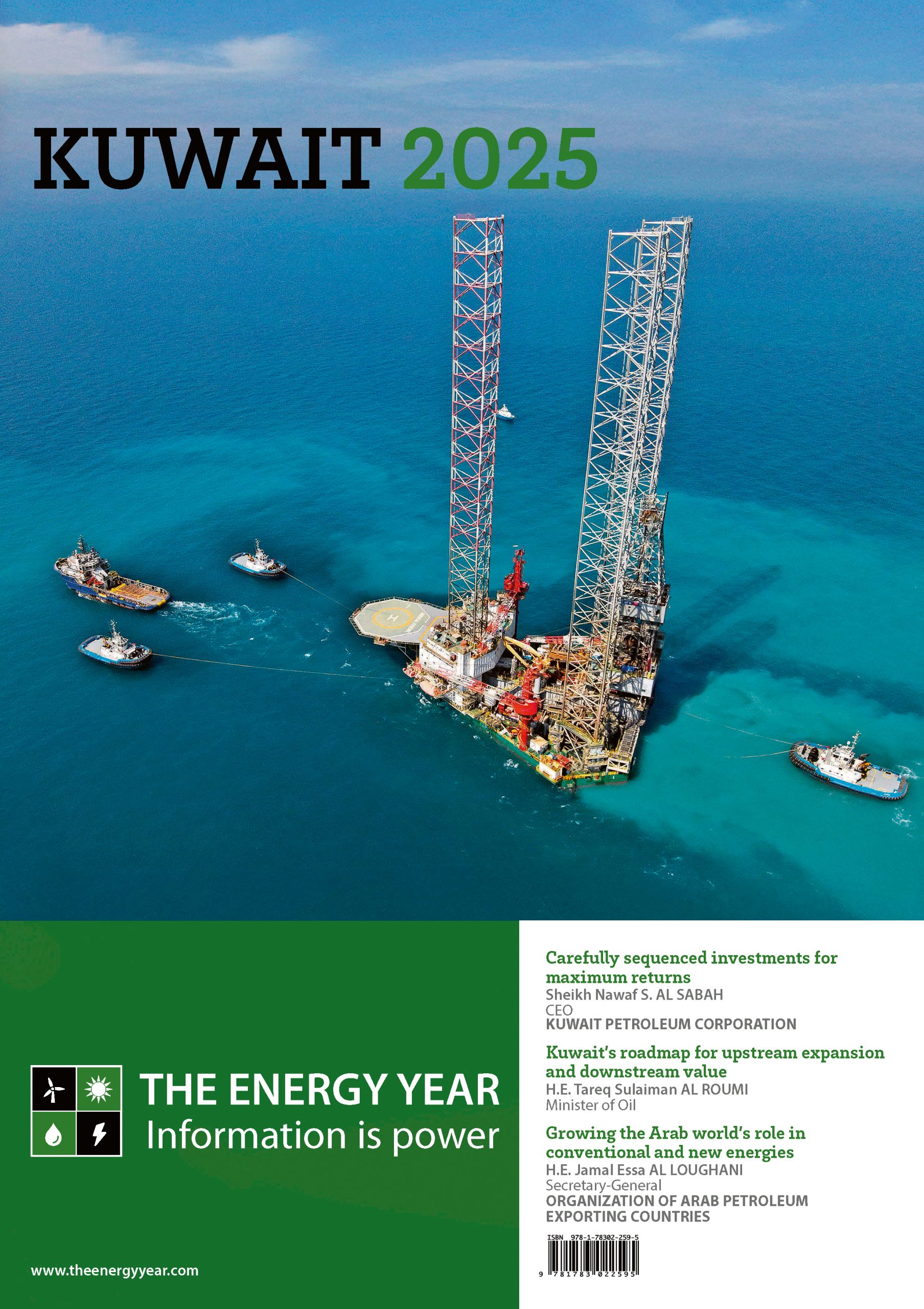
The Energy Year Kuwait 2025
The Energy Year Angola 2025
The Energy Year Nigeria 2025
The Energy Year Saudi Arabia 2025
The Energy Year UAE 2025

