
The road to robust R&D facilities in Kuwait
August 28, 2024 Kuwait


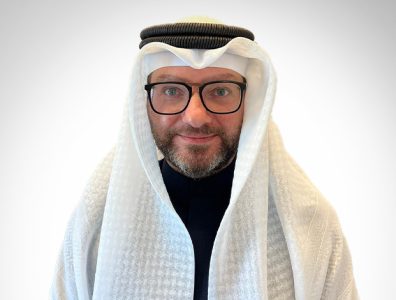
Mohammad Al Asem, CEO of ASBAR, talks to The Energy Year about the unique challenges of designing modern R&D facilities and the need for adequate investments to modernise the laboratory capabilities of Kuwait’s oil and gas sector. ASBAR is a Kuwaiti provider of technology and services for the oil and gas, defence and healthcare sectors.
Could you provide some examples of the challenges of building a lab in Kuwait?
The K-companies and most laboratories in Kuwait are lacking in equipment, staff and technology. It’s imperative to educate the market on modern standards and advocate for the transformation of the country’s outdated laboratories.
We recently finished KIPIC’s newest laboratory at the Al Zour refinery, where we were responsible for both the design and the construction. It is now one of the most advanced in Kuwait’s oil and gas sector, but before we re-engineered it, there were design flaws that impacted the refinery’s operations. We also supplied new equipment.
The government had provided minimal details on the specifications for contractors, but still, we faced stiff competition from numerous firms. We presented the winning bid and secured the contract, which was valued at approximately USD 4.5 million. Our work involved bringing the laboratory systems to Dutch standards, which are renowned for their excellence. We signed in 2019 and finished the project in 2021, returning in 2022 to rectify some design issues, supply some additional equipment and finally commission the system.
How did you assist KOC with its laboratory for export operations, and what sets this facility apart from others in the region?
KOC had ambitious plans for its laboratory for export products. They wanted it to meet Dutch standards. Recognising the absence of protocols among K-companies, they sought to establish a benchmark for laboratory excellence. Leveraging our expertise and our partnerships with international firms, we provided comprehensive guidelines and standards encompassing operational protocols, safety measures and testing procedures. We also ensured adherence to our instructions from inception to implementation.
At the moment, we are designing, constructing and equipping another of KOC’s laboratories. It has the most advanced design in the region and incorporates state-of-the-art equipment and advanced HSE systems. It also rigorously observes all health and safety provisions.
How do you see demand for your services evolving in the future?
Over the next decade, I foresee a significant increase in demand for laboratory upgrades across Kuwait. KNPC’s refineries at Mina Abdullah and Mina Al Ahmadi require a comprehensive modernisation of their infrastructure. Additionally, they have a pressing need to establish robust R&D facilities, a venture we are eager to embark upon with them.
There will also be a rising demand for skilled employees, a resource that we possess in Kuwait thanks to our esteemed universities. Currently, subcontractors tend to be the ones carrying out sample tests, but I advocate for having the employees of the K-companies carry out the task to improve efficiency and accountability.
What is the investment typically required to establish an R&D facility, and how much support do the K-companies usually provide?
For a cutting-edge facility, you need between KWD 15 million and 20 million [USD 48.8 million and 65 million], but also individuals dedicated to R&D for oil and gas. Presently, the professionals in the sector are primarily engaged in day-to-day operations, including at institutions such as KISR. KISR is pursuing small-scale projects with the K-companies, but what we need is the equivalent of NASA for the oil and gas domain. ASBAR’s vision is to collaborate with a leading K-company to help create such an entity and contribute to the country’s development and the economic advancement of the broader Middle East region. We actively lobby the K-companies for investment in ambitious R&D initiatives such as this one.
It’s important to note the distinction between operational and R&D labs. KIPIC’s operational lab processes around 300 samples daily, which requires extensive equipment, staff and stringent safety measures due to the hazardous nature of hydrocarbons. R&D labs focus on research and have lower sample volumes because they are dedicated solely to product development. KOC’s operational lab project was tendered at KWD 5 million [USD 16.3 million], while the KIPIC project exceeded KWD 30 million [USD 97.5 million].
What are the primary functions of the laboratories hosted by the Ministry of Electricity & Water & Renewable Energy (MEWRE)?
There are two. One serves as the main laboratory for transformers, while the other one conducts water analyses. We won the USD 4.2-million contract that covered the construction and staffing of the transformer lab, as well as consultancy services for transformer evaluations nationwide. In March 2024, we secured a new contract from the MEWRE valued at USD 1 million to supply senior chemists for the water laboratory. Their responsibilities include analysing water samples and calibrating equipment.
What is your long-term vision for the company’s expansion in the oil and gas sector?
We have been generating around KWD 2.2 million [USD 7.2 million] in revenue annually, factoring in our multi-year contracts, but in 2024 we anticipate reaching KWD 4 million [USD 13 million], which will improve our opportunities for development and growth.
I can envision the company transitioning from a technology provider to a major player in the oil and gas contracting segment. The trajectory would involve not only designing and building laboratories but also constructing and executing refineries. I believe a timeline of around 20 years is realistic for this endeavour, considering our current stage of development.
The goal is to establish ourselves as prominent contractors. Laboratories are at the heart of refineries, analysing samples from various points within the facility, and we aspire to develop advanced labs that yield superior hydrocarbons products, including clean fuels, for the domestic and international markets. We aim for progress similar to what is seen in sectors like telecommunications, where innovation is constant.
Read our latest insights on:
More content from Kuwait





Quality seismic decisions for Angola
INTERVIEW
Latest news and features



Latest Reports


The Energy Year Oman 2026
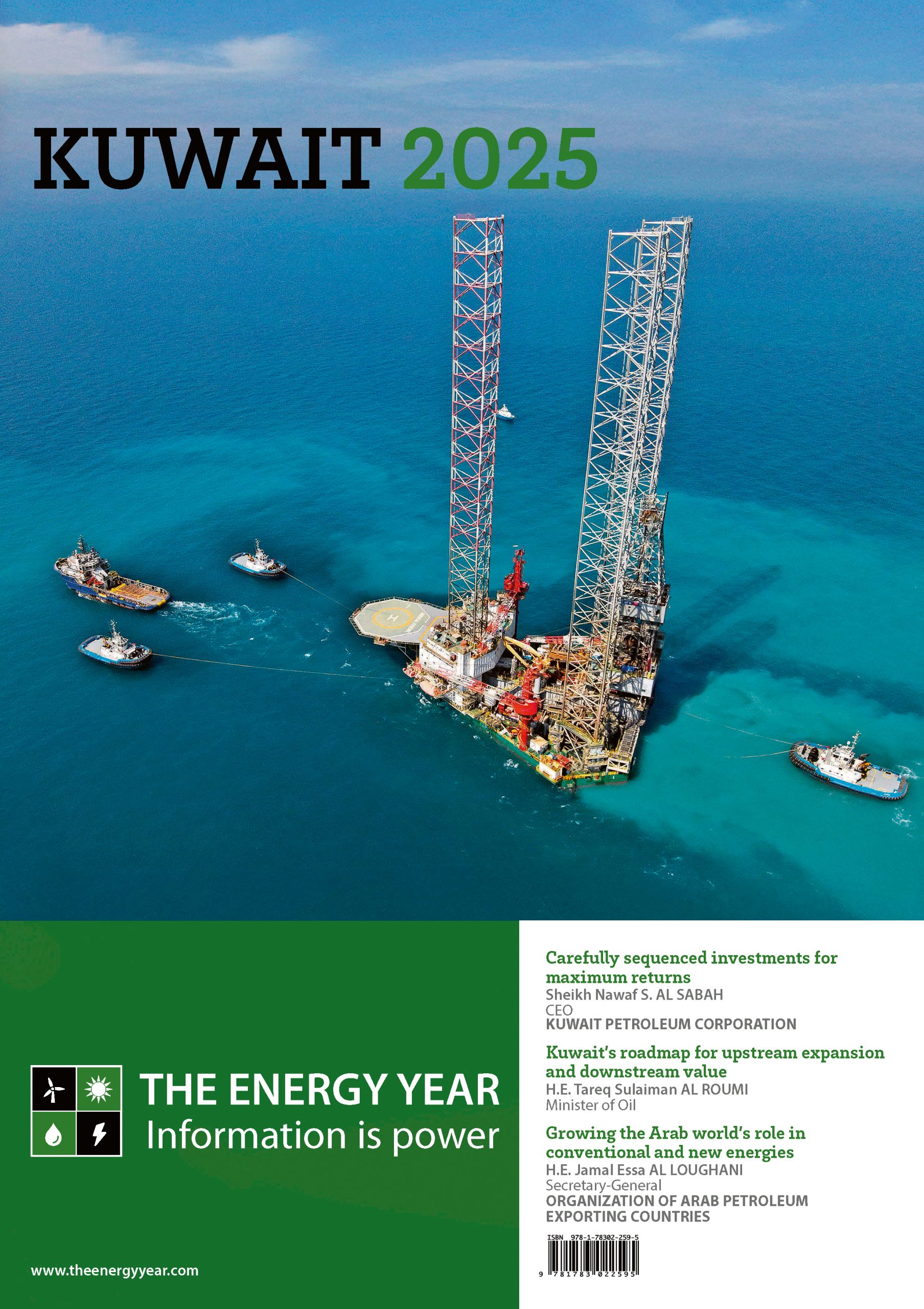
The Energy Year Kuwait 2025
The Energy Year Angola 2025
The Energy Year Nigeria 2025
The Energy Year Saudi Arabia 2025
The Energy Year UAE 2025

