
TotalEnergies in the UAE: eyes on 5 million bopd
April 3, 2025 UAE
UAE 


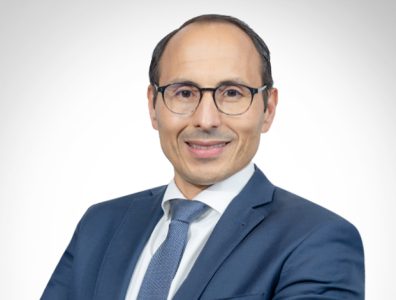
Samir Oumer, president of TotalEnergies EP UAE and UAE country chair, talks to The Energy Year about the important role that natural gas will play in the energy transition and partnering with ADNOC to boost production and lower emissions through carbon capture. TotalEnergies EP UAE is a global energy producer and marketer involved in oil and gas, biofuels, green gases and renewables.
This interview is featured in The Energy Year UAE 2025
How important is the UAE for TotalEnergies and the company’s global operations?
TotalEnergies celebrated its 85 years of presence in the UAE in 2024. We have been here since the early exploration days, participating in discoveries and providing support to the country to develop resources. We have continuously collaborated with ADNOC in developing assets and today TotalEnergies is the largest international oil company partnering with ADNOC.
We are present in onshore and offshore concessions, as well as in gas treatment and LNG plants. We are developing resources with an impressively low emission intensity, thanks to the deployment of electrification and the greater supply of clean electricity in the country. Our upstream operations in the UAE have one of the lowest emission intensities in the world, which is extremely important for us.
What are some key projects that you are developing in the domestic upstream segment?
We are supporting the UAE in its ambition to reach production of 5 million bopd by the end of 2027. In the context of an upstream project life cycle, 2027 is tomorrow, and we have several projects under way to increase our production in the concessions where we are present. These include redevelopments as well as the development of resources that were not targeted in the past. Large investments are necessary to reach the 2027 target.
The Lower Zakum oilfield is one of the concessions where we have plans to increase production levels. We have plans to increase production in the Nasr field as well. Projects are being conducted in all the onshore fields, and each one will contribute to the planned production increases.
What role do you see for natural gas in the energy value chain, both in the UAE and globally?
From a global perspective, we consider that gas will be the energy source for the energy transition. It’s a fossil fuel, but its environmental impact is lower than oil or coal, and it will play a major role. The world will continue to require oil in the coming years. Switching from one energy model to another overnight is not possible. Therefore, we are developing our gas portfolio as we consider natural gas to be key for the transition.
Here in the UAE, gas production has been mostly associated gas, and it will increase as oil production increases. But there are also ambitious plans to develop gas on its own. We have gas reservoirs called gas caps, which are the gas-filled upper part of oil reservoirs, and they will be tapped in the coming years.
We have gas caps on onshore and offshore fields that will contribute to increasing gas production in the UAE. Their output will be used domestically in part, and part will be liquefied for export. We are partners with ADNOC Gas on Das Island, where there is a plant that liquefies about 4.6 million tonnes per year (tpy), and in July 2024 we joined the Ruwais LNG project, which is a 9.6-million tpy plant.
Can you comment on some of TotalEnergies’ sustainability wins in the UAE?
Our company’s objective is to achieve carbon neutrality by 2050, together with society, and that has translated into several actions towards sustainability within our operations. In the UAE, being partners with ADNOC and lowering our emissions is part of it. But we started a long time ago. We built the Shams CSP [concentrated solar power] plant and launched operations in 2013, more than 10 years ago. We were one of the first companies to invest in renewable energy production with Masdar.
We are also invested in the solarisation business, working with companies that want to generate part of the power they consume for their operations using PV panels. We have a lot of partnerships in Dubai and Abu Dhabi, mainly solarising the roofs of warehouses or company facilities. The electricity generated complements the power from the network. It is a practical way to be part of the energy transition in the UAE.
What role are carbon capture, green hydrogen and clean fuels playing in your UAE operations?
ADNOC’s strategy is to have a fully integrated carbon business model, and one of the ways to reduce emissions is to use carbon dioxide for EOR. In 2025, we will be developing EOR projects as part of P5, ADNOC’s production increase plan. Part of the oil we produce will be extracted using CO2 to increase sweep efficiency.
We have a partnership with Masdar and Siemens Energy for green hydrogen developments and to produce SAF [sustainable aviation fuel]. Our first SAF test flight was between Abu Dhabi and Dubai during COP28. The ultimate goal is to commercialise the SAF. We are not there yet, but we demonstrated the technical feasibility. We are working towards scaling up the process and reaching a commercial stage.
Read our latest insights on:
-

How the UAE is building its future
INTERVIEW -

-

More content from UAE


Quality seismic decisions for Angola
INTERVIEW
Latest news and features



Latest Reports


The Energy Year Oman 2026
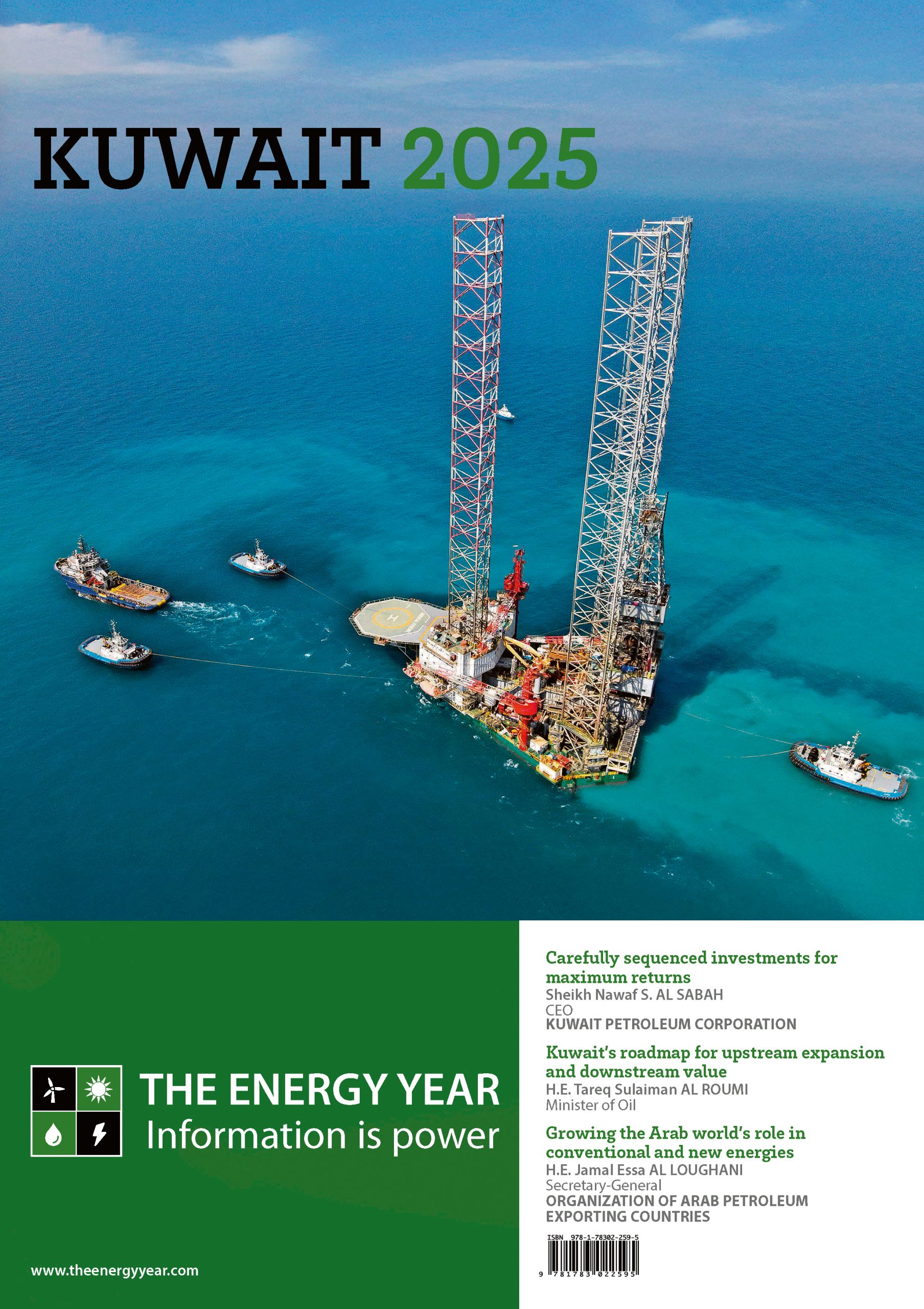
The Energy Year Kuwait 2025
The Energy Year Angola 2025
The Energy Year Nigeria 2025
The Energy Year Saudi Arabia 2025
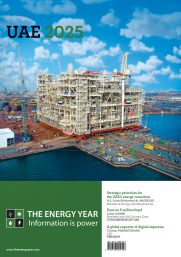
The Energy Year UAE 2025

