
Trends point to a structural shift in Saudi demand for solar
April 7, 2026 Saudi Arabia


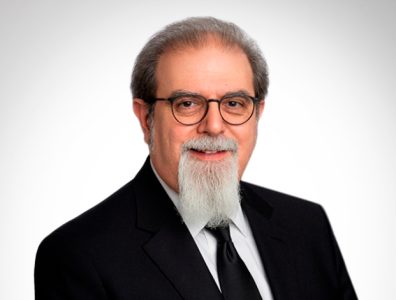
Ibrahim Gerges, general manager of Solar Arabia, talks to The Energy Year about the impact of urbanisation and regulation on Saudi Arabia’s appetite for solar installations and the company’s investment in battery manufacturing capacity to align with ongoing demand trends.
Solar Arabia manufactures solar modules and provides design, engineering and installation services.
- The main barrier to wider adoption of solar in Saudi Arabia among household and enterprise customers is the high perceived cost of installation.
- Rapid urbanisation and regulatory mandates surrounding renewables are changing how power generation is planned, and accelerating the uptake of solar in Saudi Arabia.
- Efficient battery storage is essential for solar deployments in remote oil and gas production sites, and the market is trending towards lithium battery systems that, while more expensive, are more reliable and durable.
What factors are currently driving demand for solar installations in Saudi Arabia?
Demand for solar generation systems has been growing in Saudi Arabia for the past five years. The development of new industrial cities in locations that are not yet connected to the grid is one driver. In such cases, companies must choose between diesel and solar, and solar is increasingly the preferred option due to its long-term cost efficiency, as well as its sustainability.
In parallel, the government has begun to require that some companies source a portion of their power from renewables in new projects, so we are seeing a structural shift in how energy is planned and consumed across sectors. Companies are being encouraged to rethink their energy mix from the design stage of new facilities.
The core challenge remains awareness. When clients hear that a project may require USD 500,000 in upfront investment, their first reaction is often one of hesitation at the expense. However, when we explain the long-term return on investment, it becomes clear that solar saves money in the long run. This applies to households, and increasingly to industrial operations.
Are you noticing any new demand trends among your customers in the oil and gas sector?
Oil and gas accounts for 90% of our portfolio, with the majority being off-grid systems in remote locations. These systems are more technically complex because they rely heavily on battery storage, and we have been seeing a trend towards lithium batteries and away from lead acid and gel. Lithium batteries are more expensive, but they last significantly longer and are more reliable, so their durability and lifecycle performance outweigh the higher initial cost in mission-critical applications.
Although on-grid demand is growing in certain regions, demand for off-grid solutions is influencing our investment decisions, as well as our engineering and procurement strategies. We want to strengthen our position in battery technology.
What have been the effects on your business, and is Solar Arabia making any investments to stay on-trend?
In 2025, we bid on 21 Aramco projects, both on-grid and off-grid, and were awarded 19, including one for the Master Gas System expansion. This performance reflects both our credibility and our execution capabilities.
As Saudi Arabia scales renewable capacity, storage will become a strategic enabler. To align with that trajectory and reinforce our integrated offering, we are expanding our facilities in Riyadh with a new 3,000-square-metre site dedicated to lithium batteries and battery energy storage systems, which will serve both Saudi Arabia and markets abroad.
By localising battery production, we gain better visibility over supply chains and greater control over quality standards and delivery timelines. It also positions us to respond more effectively to rising demand for storage solutions as solar penetration increases.
Has the company secured any significant engagements recently outside oil and gas?
We are undergoing pre-qualification with TAWAL, the infrastructure service provider for stc, which is aiming to deploy replacement gel batteries for around 1,000 existing telecoms towers and lithium batteries for about 800 new ones. We have signed an exclusivity agreement with Megmeet, a major Chinese player in the global telecommunications sector, which is heading up the project, and Solar Arabia will be the sole company to support the works around the telecoms towers.
How are you financing your expansion, and do you plan to enter other markets in the GCC?
To date, our investments have all been financed internally. This approach has allowed us to expand in the directions we choose, without external pressure.
We have been operating in Saudi Arabia for 36 years. During that time, many companies have entered and left the solar segment, because the market is demanding – if standards are not maintained, survival is difficult.
Competition has intensified since 2023, but know-how and reliable execution have continued to pay off for us. Today, we hold more than 65% market share in the EPCI segment for solar PV modules, and we aim to double our project count in the coming years.
While we are alert to opportunities in the UAE, Bahrain and other countries in the region, Saudi Arabia continues to offer strong growth momentum. For now, the domestic market provides sufficient room for growth.
Read our latest insights on:
More content from Saudi Arabia



Quality seismic decisions for Angola
INTERVIEW
Latest news and features



Latest Reports


The Energy Year Oman 2026
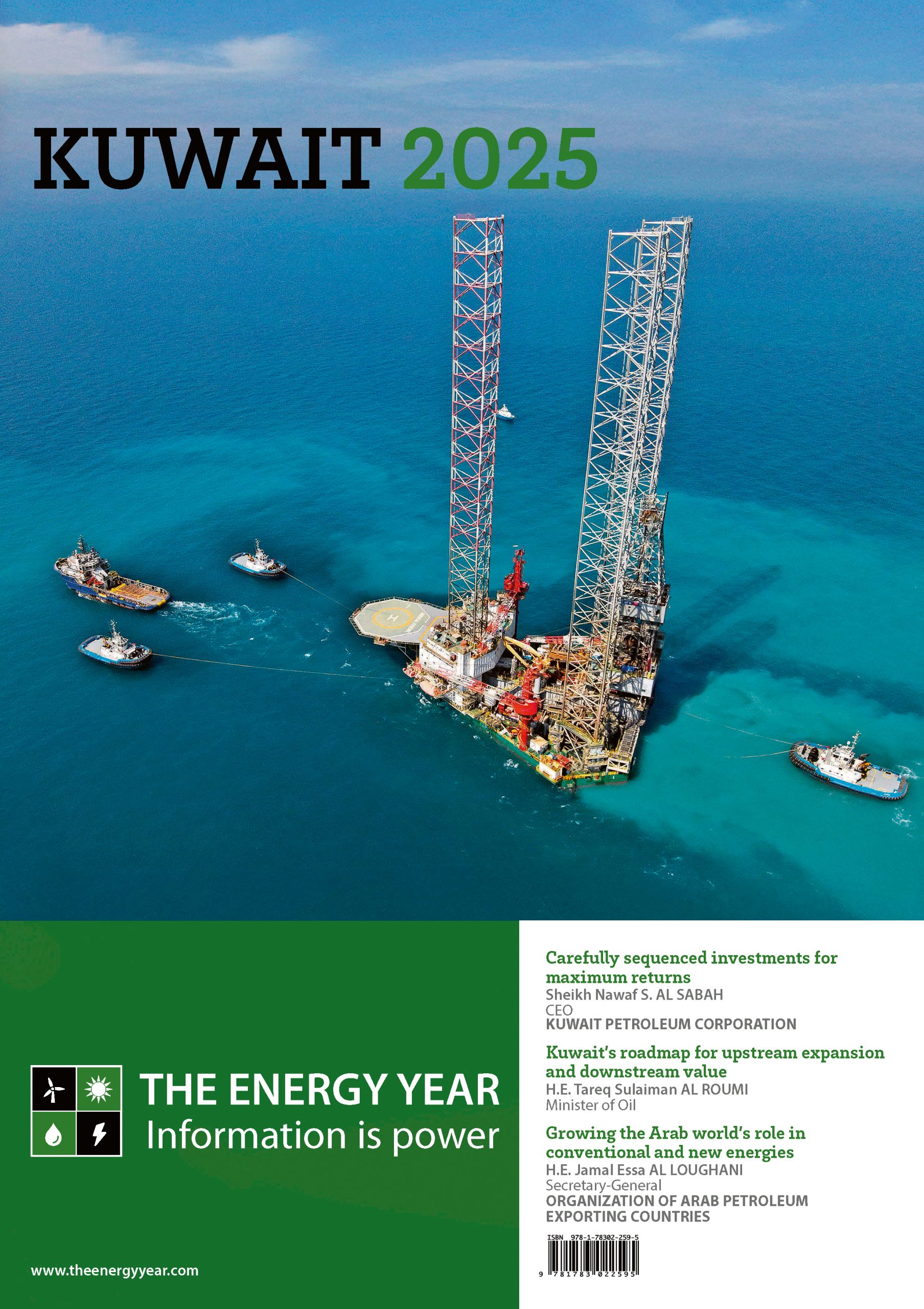
The Energy Year Kuwait 2025
The Energy Year Angola 2025
The Energy Year Nigeria 2025
The Energy Year Saudi Arabia 2025
The Energy Year UAE 2025

