
Saudi Arabia at the heart of GCC power interconnection
June 25, 2025 Saudi Arabia


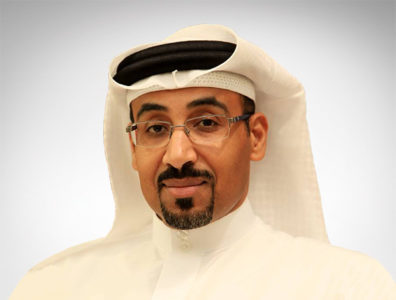
Ahmed Ali Al Ebrahim, CEO of GCC Interconnection Authority (GCCIA), talks to The Energy Year about the organisation’s key accomplishments and building interconnections for the ever-larger contributions of renewable and nuclear sources. GCCIA is in charge of interlinking the grids of GCC countries and creating a regional power exchange.
What role does Saudi Arabia play in the GCC’s electricity interconnection plans?
Saudi Arabia currently holds 31.6% of GCCIA’s capital and is the biggest shareholder. Our headquarters is in Saudi Arabia, mainly because of its geographical positioning in the centre. It is impossible to interconnect without passing through Saudi Arabia, which is why we have almost half of our substations here, as well as our two control centres for the main and backup grid.
In the beginning, GCCIA needed facilities and support from the government, which Saudi Arabia provided. Saudi Arabia allocated land for transmission lines, and the other countries did as well, as part of the General Agreement signed between the six Member States.
By royal decree, Saudi Arabia gave GCCIA rights and privileges to facilitate its establishment and operations and, since our establishment in 2001, support from Saudi Arabia has been crucial in ensuring energy security in the GCC, avoiding blackouts, and providing emergency support to member states. As Saudi Arabia’s industry and electricity consumption have continued to grow, the country’s role has only become more important.
How is GCCIA incorporating renewables into the grid, and how are Saudi Arabia’s renewable energy ambitions impacting electricity transport?
With the bold goals for introducing renewable generation across the GCC, particularly in Saudi Arabia, GCCIA’s role is even more important. Renewable sources, which are mostly solar and wind, require interconnections to be integrated into the GCC power grids. There is also the need to integrate nuclear energy, which has been introduced in the UAE and is coming to Saudi Arabia as well.
The challenge with renewables is their intermittency. Interconnections allow us to withdraw power from virtual storage during fluctuations and then return it when needed. A balanced system will help member states build renewable energy capacity while ensuring stability. As Saudi Arabia aims for 50% renewable energy in the next five years, the need for interconnections becomes even more crucial.
To support this, we are investing about USD 1 billion in three major projects, with another billion planned for the near future. One key project is the expansion of the interconnection with Kuwait, increasing capacity from 1.2 GW to more than 3.5 GW. We are also building our largest substation in Kuwait, which will connect Kuwait with four lines instead of two, and serve as a connection point for the Iraq interconnection project, which is expected to be operational in 2025. We also have two major projects to expand the interconnection with the UAE, and a direct interconnection with Oman starting in 2025. Those expansions mark a major leap for the GCC Interconnection and support the energy transition plans of Saudi Arabia and other GCC countries.
How does GCCIA co-ordinate the transmission investments of GCC countries?
We have a joint planning committee that harmonises energy plans to ensure interconnectors are in place to support investments. Since 2019, we have been developing a roadmap for renewable integration and the requirements across the GCC.
A major focus is energy storage, which is essential to incorporate renewable energy sources. To support this, we have been holding CEO-level forums on energy storage in collaboration with the Electric Power Research Institute in the USA since 2021.
How is AI being integrated into the grid, and how is it impacting operations?
AI is crucial for the future grid for two reasons. First, it will help to operate a complex grid that integrates microgrids, renewables and nuclear energy. As the grid becomes more complex, AI will enable us to manage it efficiently, ensuring stable and effective operations.
Second, AI is driving an increase in demand from the data centres of hyperscalers in the region, whose consumption can reach up to 1 GW, introducing both opportunities and challenges to our power grids.
What are the biggest challenges GCCIA faces in a market where each country has different energy targets?
A key challenge is that while all GCC countries are committed to the success of the GCC Interconnection, their individual development plans differ in terms of timelines and approaches. National policies and regulations can also vary, which creates complexity. To address this, we focus on finding commonalities among policies and support each country while respecting their own sovereignty.
Our board has representatives from each GCC country, which facilitates co-operation and ensures co-ordination. We create forums for countries to exchange ideas and harmonise their efforts to overcome challenges and align energy goals.
How does GCCIA work with EPC companies, and have you faced any supply chain issues due to the growing demand for new technologies?
We are very open and work with all qualified EPCs on a competitive basis, prioritising those that are well-established and have a good track record on similar projects in the GCC. However, the sector is facing a global supply chain issue, and we face some difficulties securing high-voltage equipment, HVDC equipment and cables.
Manufacturers cannot meet the surge in demand driven by projects in the region, and there have been supply delays. As a result, we may need to explore new models of long-term co-operation with providers to ensure we have what we need for our expansion projects.
How do you expect GCCIA’s role to evolve in the context of Vision 2030?
We must upgrade our infrastructure to support the ambitious energy transition goals of the GCC countries, especially as 2030 is approaching quickly. Beyond the six GCC countries, our role will expand to create regional markets, facilitating energy trade with neighbours.
We are already beginning with Iraq and envision becoming a key player in the Pan-Arab Electricity Market with a role similar to that of a regional facilitator. In the long term, we aim to connect the GCC to broader regions, including Europe, and support Saudi Arabia’s goal of becoming an energy hub. This will be a long-term process that will potentially outlast my tenure, but it is essential for the future of energy in the region.
Having been with the GCCIA for many years, what milestones and achievements are you most proud of?
Establishing the GCCIA was a challenging task, especially since the six member countries had separate systems that had been operating independently for years. Building trust among the countries was key. In the beginning, even getting data was difficult – members were hesitant to share information. Years later, however, we have built trust, and now we work together to evolve and enhance each GCC grid in the context of a reliable interconnected system. This shift in trust is one of our greatest accomplishments.
The first interconnection was another critical milestone, and I am proud to have played a part in building it with my capable team. Today, as we expand and fortify the system, the excitement around commissioning new infrastructure, such as the Al Wafrah substation in Kuwait and the HVDC connection with Saudi Arabia, reminds us of how far we have come.
Read our latest insights on:
More content from Saudi Arabia





Quality seismic decisions for Angola
INTERVIEW
Latest news and features



Latest Reports


The Energy Year Oman 2026
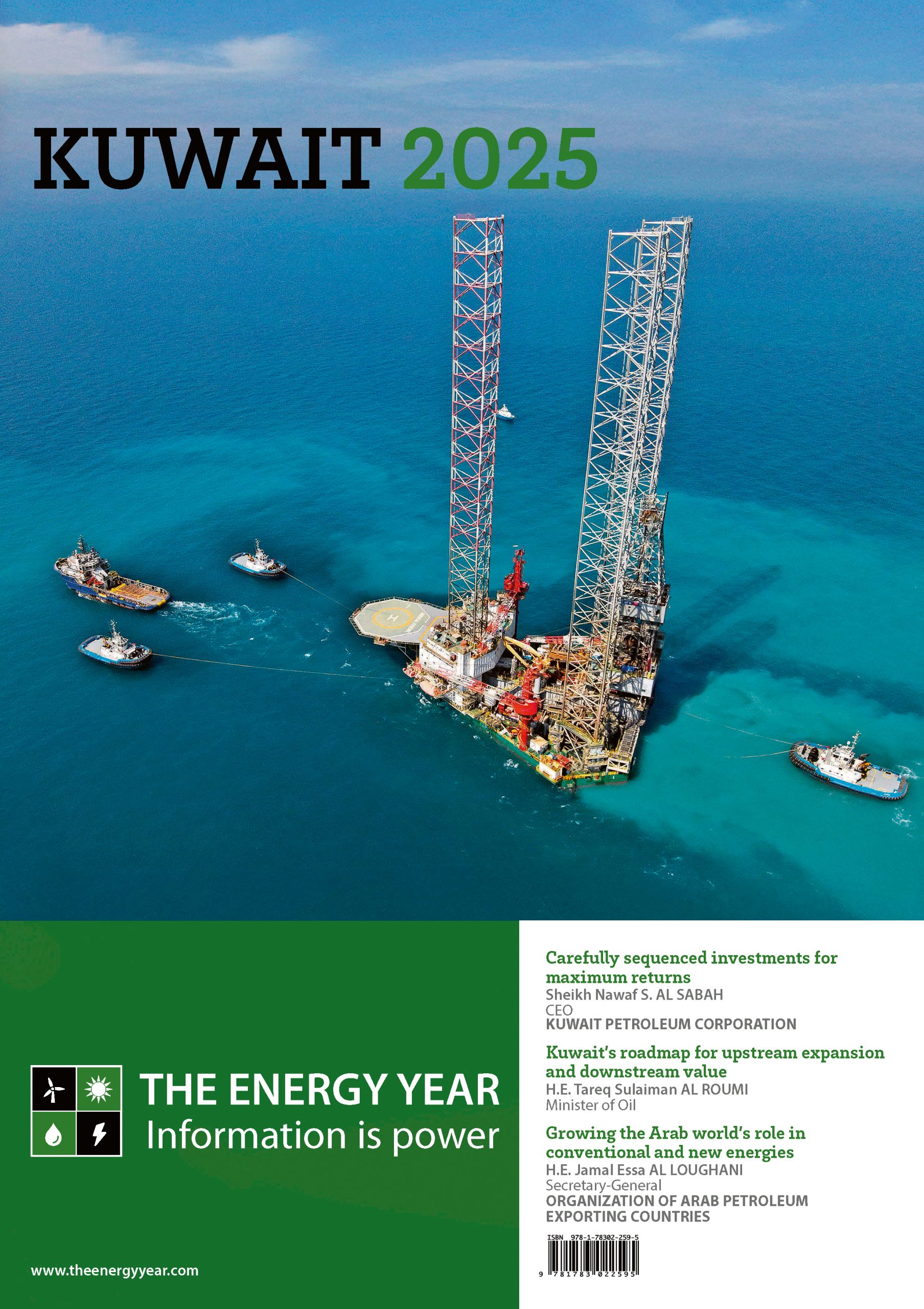
The Energy Year Kuwait 2025
The Energy Year Angola 2025
The Energy Year Nigeria 2025
The Energy Year Saudi Arabia 2025
The Energy Year UAE 2025

