

Practical, economically sound renewables for Kuwait and beyond
August 20, 2025


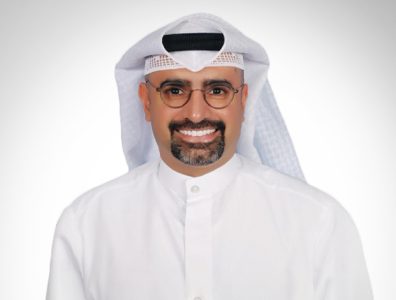
Barak Al Maraghi, chairman and CEO of Al Dhow for Environmental Projects, talks to The Energy Year about the growing appetite for renewables in Kuwait and sourcing technology for upcoming projects. Al Dhow is a Kuwaiti engineering and environmental services company with activities in the construction, industrial and oil and gas sectors.
How do you assess Kuwait’s renewable energy sector, and how is Al Dhow positioning itself to contribute to the country’s energy transition?
Kuwait is moving faster than ever before in renewable energy, and much of that comes down to necessity and technological advancement. Electricity demand is growing, and it is becoming harder to meet that demand using conventional methods. Renewables, especially with the right technology, are becoming more attractive from a cost and efficiency standpoint.
The government has been showing serious initiative, and we expect a large pipeline of projects to emerge. At Al Dhow, we are ready for the shift. For years, we have been providing the public and private sectors with technologies that are environmentally friendly, practical and economically sound.
What potential do you see for hybrid energy storage and battery systems within the Kuwaiti market?
Hybrid systems and battery storage technologies have been around globally for a while, but they are just now starting to get traction in Kuwait. We don’t need to reinvent the wheel. We have built strong partnerships with companies in Asia and Europe that have these technologies – our role is to engineer and integrate the best solutions based on local needs.
Initially, we pitched these systems to government institutions as environmentally responsible alternatives to traditional backup power. Once we saw traction there, we moved into the private sector, particularly as power supply challenges escalated.
Now, factories and other industrial operations are looking for more reliable and sustainable power sources, and we have had a very good reception. We are proud to be among the few companies in Kuwait offering comprehensive hybrid solutions for emergency and supplementary power.
What sectors are you prioritising in your engagement with the private sector?
Oil and gas is a major focus. We have spoken with various departments at KOC, particularly with field operations teams, for whom reliable power is critical. KOC has a long-term vision of reaching net-zero emissions by 2050, and we are contributing by providing renewable systems to oil drilling sites.
One example is the shift from diesel generators to fully solar-powered systems to power on-site infrastructure or operations such as wastewater pumping. The feedback has been very encouraging. In some cases, oilfield clients are asking us to propose solutions, as sustainability is becoming a real priority for them now, not just for compliance but for operational viability.
What are some of the challenges you have faced when introducing environmental technologies in the energy sector?
At first, the hardest part was convincing decision makers to give these technologies serious consideration. Environmental solutions were not a top priority, but that is changing fast. Now, with regulatory pressure and the environmental liabilities faced by certain sectors, companies are much more open.
Another challenge has been integrating environmental planning into projects from the outset. We can propose equipment and provide engineering advice on how to embed renewable energy systems from day one. We are seeing real momentum now, particularly in the oil sector, where there is a clear push to replace legacy systems that pollute or underperform.
Kuwait recently signed a G2G [government-to-government] renewable energy agreement with China. What does this mean for your business?
It is a major opportunity. When governments collaborate on infrastructure or energy, it typically opens doors for private companies like ours to support implementation. We already collaborate with several companies in Asia, and this G2G agreement will help develop trust and reinforce our relationships.
We are already engaging with both the foreign and domestic sides, offering engineering, logistics and infrastructure support. Our role is to make these large-scale agreements a practical reality on the ground, which can include anything from conducting feasibility studies to managing the deployment. We already have a strong track record in many project phases.
You have expressed interest in Phase III of the Shagaya Renewable Energy Park. What is your vision for Al Dhow’s role?
We fully intend to be part of Shagaya’s third phase. It is a landmark initiative that aligns perfectly with our capabilities and our vision. It will bring together the government, the private sector and international technology providers to create something impactful.
Projects like Shagaya show that Kuwait is serious about the energy transition. For us, it is a showcase opportunity – we aren’t planning to come in as a subcontractor, but as a key partner with high-level ambitions to contribute meaningfully to Kuwait’s sustainability goals. Whether the project calls for PV systems, hybrid storage or energy efficiency, we will be ready to deliver.
Beyond renewables, where else do you see growth opportunities for Al Dhow in the coming year?
The water treatment sector is very dynamic, and we are pivoting towards it. We are currently working with the Ministry of Public Works on projects to convert wastewater sludge into biogas for energy. This is a huge step for Kuwait, not just in terms of sustainability but in terms of resource optimisation.
Electricity supply is perhaps the most pressing challenge, but water is becoming just as urgent, and we are making significant engineering efforts in this area to find ways of managing waste more effectively and reducing the environmental footprint of essential services.
Over the next 3-5 years, we expect water treatment to become just as important for us as solar. The government is rolling out infrastructure plans in various regions, and these developments will need integrated energy and water systems. Being ready now gives us a competitive edge when these mega-projects go live.
How is your business evolving outside of Kuwait?
We are already active in the UAE and plan to enter the Saudi market soon. We have spent the past four months conducting market studies and preparing for entry in Q3 2025. The opportunities in Saudi Arabia are massive, and their regulatory framework is increasingly favourable for environmental players.
To penetrate the market, we are evaluating several strategic partnerships. Aligning with a strong local partner will allow us to scale more quickly and navigate regional complexities more effectively.
Read our latest insights on:
More content from Kuwait



Latest news and features





Latest Reports


The Energy Year Oman 2026
The Energy Year Kuwait 2025
The Energy Year Angola 2025
The Energy Year Nigeria 2025
The Energy Year Saudi Arabia 2025
The Energy Year UAE 2025


