
Canada, Alberta set path for new 1-million-bpd pipeline
 Canada


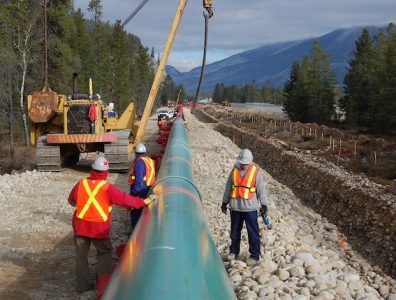
CALGARY, May 18, 2026 – Canadian Prime Minister Mark Carney and the Premier of Alberta, Danielle Smith, have agreed on a timetable to advance a new bitumen pipeline to connect Canadian producers with Asian markets, the parties announced on Friday.
The proposed pipeline aims to transport at least 1 million bpd of Alberta bitumen to expand Canada’s access to Asian markets. It will be submitted to the federal Major Projects Office by July 1, 2026, and the parties intend to pursue the designation of the project as being of national interest under the Building Canada Act.
The agreement adds to Canada’s efforts to reduce dependence on traditional export routes while keeping oil sands growth tied to emissions-reduction commitments. The parties estimate that the pipeline can achieve emissions reductions of about 16 million tonnes per year and add around USD 12 billion to Canada’s GDP.
Construction of the new pipeline is targeted to begin in 2027, with first oil flows targeted for 2033. The project remains conditional on the advancement of the Pathways Project, a large-scale CCUS initiative in northeastern Alberta being advanced by major oil sands producers, and lining up private-sector investments.
“This agreement sends a clear message to investors and global partners that Canada and Alberta are serious about expanding market access, building major infrastructure, and creating the conditions for long-term investment in our province’s energy sector,” said Smith.
Canada and Alberta also agreed to raise the price of carbon emissions by targeting an effective carbon price of CAD 130 per tonne by 2040 under Alberta’s Technology Innovation and Emissions Reduction system. The headline price will rise from CAD 95 per tonne in 2026 to CAD 115 in 2030 and CAD 130 in 2035, before reaching CAD 140 in 2040.
In addition, the deal set out power-sector commitments, including work toward doubling Alberta’s grid by 2050 and expanding nuclear, wind, solar, geothermal and lower-carbon generation.
Photo: Government of Alberta

More content from Canada

Latest news and features





Latest Reports


The Energy Year Oman 2026
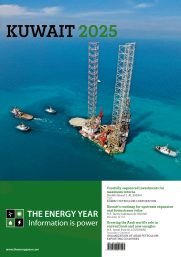
The Energy Year Kuwait 2025
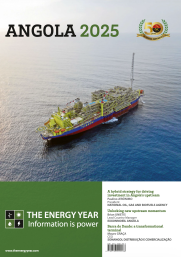
The Energy Year Angola 2025
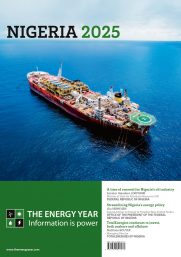
The Energy Year Nigeria 2025
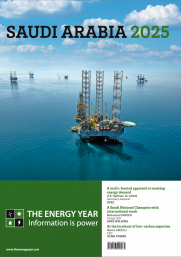
The Energy Year Saudi Arabia 2025
The Energy Year UAE 2025


