
A successful strategy for banking in Angola and Namibia
May 21, 2025 Angola


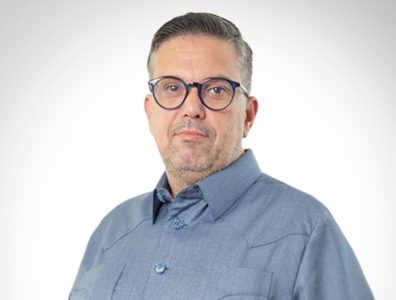
Hugo Teles, CEO of Banco BIC, talks to The Energy Year about the importance of the oil and gas and mining sectors in the bank’s portfolio, the company’s strategy for expanding in Namibia and the company’s approach to digitalisation. Banco BIC provides retail and commercial banking services in Angola.
What have been the main updates at Banco BIC over the past year?
The Angolan economy is still shrinking, so our main priority continues to be cutting costs. We’ve closed around 20 branches in the city centre, but at the same time, we’re opening a few new branches on the outskirts of Luanda, where there’s more economic movement. That’s where we see activity shifting, and we’re adapting to that.
On the credit side, we still see opportunities in a range of sectors. Mining is growing, oil and gas is growing, and we’re also seeing more movement in agriculture, cattle raising and fishing. Industry overall is showing positive signs. What’s especially interesting to us now is not only the growth in the primary mining sector but also the transformation of mining products. These are areas where we plan to push more credit.
We’ve always had a strong presence in providing credit for the economy, and we’re going to maintain our position as number one. That said, we’re focusing more on supporting private companies rather than extending credit to the government. We believe that stimulating the private sector will yield more sustainable long-term growth.
How is your oil and gas desk positioned to support your sectoral strategy, and how significant are oil and gas and mining in your portfolio today?
Our oil and gas desk is a key part of our strategy and portfolio. It’s not new – we’ve had it for eight or nine years now – and it continues to be a great support for the bank. The team is highly specialised. They’re trained in oil and gas operations, they know the fundamentals, and that makes a big difference when it comes to understanding the needs of these companies. It creates a very efficient bridge between oil and gas players and the financial sector.
Because of this knowledge, we can provide tailormade solutions to clients in the industry. We understand their operations, we assess what kind of service provider they are, and we design financial solutions that really fit their business.
That said, oil and gas still makes up less than 10% of our portfolio. Mining is even smaller – less than 5%. Together, they don’t reach 15%. So, we see a lot of room for growth in both of these sectors, and we expect that growth to come, particularly in mining, which we believe is a solid bet for the bank in the coming years.
What is your strategy for expanding in Namibia?
We’re already present in Namibia. While I’m not overly optimistic about the Namibian economy itself, I do believe in the potential of applying our banking model there. The banking environment in Namibia is Anglo-Saxon – which is more centralised and much less aggressive in terms of business development compared to the Angolan-Portuguese banking environment. They tend to wait for business to come to them, whereas we’re more proactive.
We think our approach can be successful there. We’re also looking at supporting key sectors in Namibia such as fishing, mining and possibly oil and gas. Our experience and agility can make a difference in a market that’s traditionally been slow moving.
How is Banco BIC approaching digitalisation?
Digitalisation is an ongoing process, and it’s a significant investment. We’re simplifying procedures across the bank, and safety is a top priority. Every year we have to keep up with the pace of innovation, and that takes resources, but we’re fully committed.
We’re also exploring partnerships that could accelerate this transformation. We’re studying a potential agreement with Huawei, similar to what other global banks such as HSBC and JP Morgan have done.
Huawei is already present in Angola, which makes it even more feasible. We’re looking into possible collaborations across several areas of the bank, and this could play a big role in how we modernise our interface and internal systems.
How would you describe your strategy around equity and profits?
I believe profit should come from real business, not from cutting equity. A lot of banks are declaring large profits these days, but they’re doing it by lowering their equity, and I’m not a fan of that. Either we make money or we don’t. I won’t weaken the bank just to distribute dividends.
Our strategy is to keep equity strong – around USD 550 million. At the beginning of last year, when the central bank increased reserves by 1%, many banks were in trouble. We were fine. If we want to lend more, shareholders need to be ready to inject more capital. That’s how we maintain strength.
We’re expecting to close this year with around USD 50 million in profit. It’s not a remarkably high figure, but it’s real. For us, it’s about keeping the bank solid and sustainable.
Read our latest insights on:
-

Quality seismic decisions for Angola
INTERVIEW -

-

More content from Angola

Quality seismic decisions for Angola
INTERVIEW
Latest news and features



Latest Reports


The Energy Year Oman 2026
The Energy Year Kuwait 2025
The Energy Year Angola 2025
The Energy Year Nigeria 2025
The Energy Year Saudi Arabia 2025
The Energy Year UAE 2025

