

Africa’s energy industry reaches an inflexion point
May 14, 2026 Nigeria


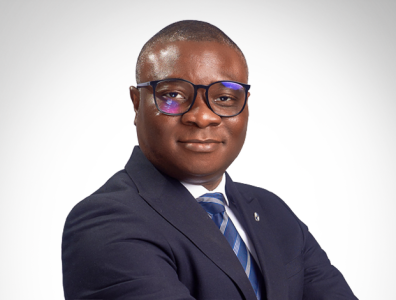
Humphrey Oriakhi, CEO and managing director of PAC Capital, talks to The Energy Year about overcoming the bankability challenges of African projects through tailored financial structures and the growing appeal of the continent among international investors.
PAC Capital provides international fundraising and financial services as the investment banking and advisory arm of PanAfrican Capital Holdings.
- Capital is not the main constraint for African energy projects, as financing can readily be structured when the investment case is strong. Technical and regulatory risks are often a greater threat, and they must be properly assessed and mitigated.
- Pre-export finance and reserve-based lending have both worked well in an African context, but their continued success will depend on production performance, price stability and accurate matching to project cashflow.
- Geopolitical tensions are pushing investors to diversify their supply chains, bringing renewed attention to Africa’s energy resources and long-term supply potential.
Stakeholders say capital is available for investments in Africa, but structuring bankable projects remains a challenge. Do you agree?
If the investment case is compelling and there is alignment of intent, financing can always be structured. The more fundamental challenge lies in navigating political, credit and technical risks, and that is where experienced advisers such as PAC Capital play a critical role. Our focus is on identifying, assessing and mitigating these risks in a way that transforms viable assets into bankable opportunities.
We have participated in transactions in more than 35 African countries and five markets in the Caribbean, often without a physical presence on the ground. This has been made possible by the strength of our relationships and our track record. A notable example is the more than USD 443 million we raised for Etu Energías’ acquisition of Galp’s assets in Angola, after earlier attempts had struggled to secure financing. The transaction was delivered largely remotely, reinforcing the point that expertise and strong partnerships can effectively transcend geography.
Tools such as reserve-based lending and pre-export finance are gaining traction. What distinguishes successful structuring attempts from those that fail?
Successful structuring is fundamentally about ensuring that the solution is appropriately matched to the asset profile and its cashflow dynamics. Pre-export finance is typically suited to producing assets where future output can support repayment, while reserve-based lending relies on independently verified resource estimates. In practice, the most effective solutions often combine multiple instruments, carefully tailored to the specific requirements of each project.
PAC Capital has built extensive experience in this space. We supported the raising of USD 3.3 billion for NNPCL through a pre-export financing structure and have raised financing for structured facilities and acquisitions by other Nigerian indigenous companies, including USD 650 million for Seplat Energy, USD 300 million for Bestaf and USD 450 million for Nestoil.
In our experience, failures are rarely due to the structure itself. They are more often driven by underperformance, particularly on the technical side, when production falls short of projections or financing structures come under pressure. The two fundamental variables remain production and price – deviations in either can materially impact outcomes.
Regulatory and legal frameworks are also critical. Even where technical and commercial assumptions hold, gaps or inconsistencies in regulation can undermine otherwise sound projects.
Do you see domestic capital playing a larger role in financing energy projects in Nigeria?
Absolutely. There is a growing recognition of the need to deepen local financing capacity, and recent banking sector recapitalisation in Nigeria has demonstrated the scale of available liquidity, with more than NGN 4 trillion [USD 2.9 billion] raised.
The opportunity now lies in mobilising that capital into energy and other strategic industries. We are already seeing encouraging signals from indigenous players such as Seplat, and we expect this trend to strengthen further, especially with anticipated developments such as the listing of the Dangote Refinery. Domestic capital is set to play an increasingly important and, ultimately, a pivotal role in Nigeria.
PAC Capital positions itself as a pan-African investment firm. How would you summarise your geographic focus and strategy?
PAC Capital is Nigerian by registration but pan-African in outlook, with a presence that also extends into the Caribbean. We align with programmes such as the Global Africa Business Initiative to support the efficient flow of capital into the continent and its diaspora, particularly in strategic areas such as oil and gas and minerals. Our objective is to ensure that Africa’s resource base is effectively leveraged to drive sustainable growth.
While we operate across multiple sectors, energy remains a core pillar of our business, particularly in terms of transaction value. Alongside financial services, it represents one of our primary focus areas. Infrastructure is also significant, although it typically involves longer development timelines. Overall, oil and gas contributes significantly to our revenues and remains strategically important within our portfolio.
Our vision is to establish a presence across every African and Caribbean market. This does not necessarily require a physical footprint, but rather the capability to originate, structure and execute transactions seamlessly across jurisdictions. As part of this, we are expanding beyond anglophone and francophone markets into lusophone regions, with the ambition of becoming a preferred investment banking firm and ultimately leading across these markets.
What is your message to international investors considering Africa?
Africa’s energy sector is at a defining inflexion point. Geopolitical tensions and disruptions to global supply chains have highlighted the need for diversification, and in that context, Africa is receiving increased attention.
The continent’s potential remains significant. Established producers such as Nigeria, Angola and Equatorial Guinea continue to play a central role, while Mozambique, Senegal and Ghana are gaining momentum through discoveries and project developments.
What is particularly notable is the shift in investor profile from those seeking short-term returns to those focused on long-term supply security. For investors who have previously taken a cautious approach, the greater risk now lies in delayed participation. Energy investments are inherently long-term, and early positioning is critical.
In many respects, this is a moment that underscores the opportunity cost of inaction. The time to reassess and commit to Africa is now.
Read our latest insights on:
-

-

A new opening for African gas
INTERVIEW -

More content from Nigeria


Quality seismic decisions for Angola
INTERVIEW
Latest news and features



Latest Reports


The Energy Year Oman 2026
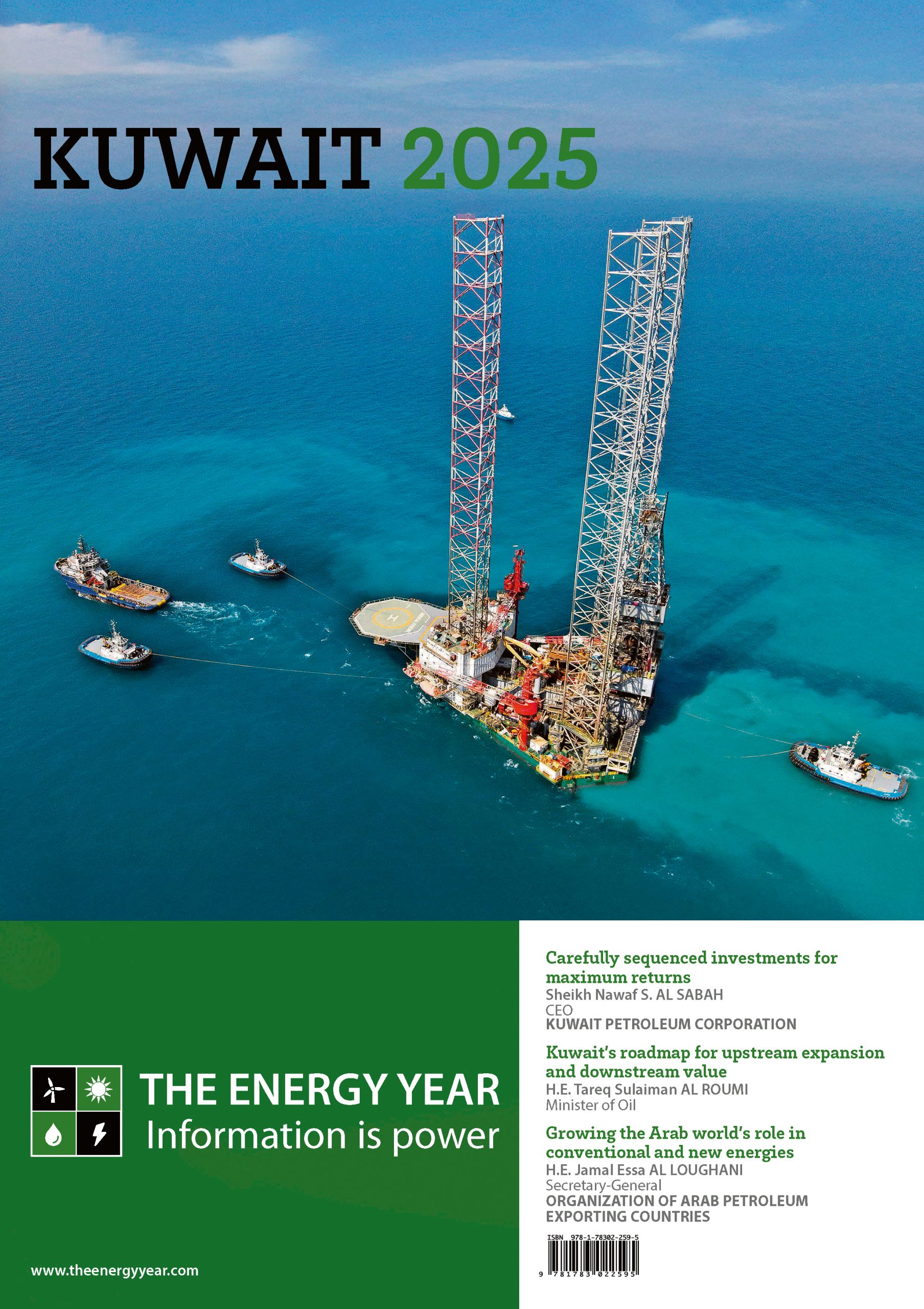
The Energy Year Kuwait 2025
The Energy Year Angola 2025
The Energy Year Nigeria 2025
The Energy Year Saudi Arabia 2025
The Energy Year UAE 2025

