
From Oman, investing in minerals and steel value chains
January 8, 2026 Oman
Oman 


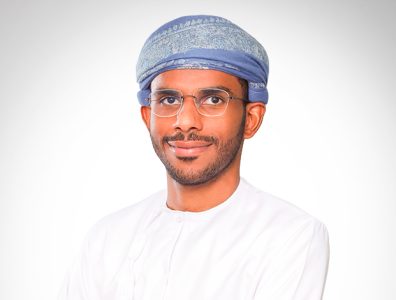
Nasser Al Azri, CEO of Vale Oman Pelletizing Company, talks to The Energy Year about Vale’s joint venture with ACPG Jinnan Steel and how Oman fits into the company’s global and mega-hubs strategies. Vale Oman Pelletizing Company operates a pelletising plant with a distribution centre in the SOHAR Port and Freezone.
What are some of Vale’s recent operational highlights and strategic projects in Oman?
In Oman, Vale operates two complementary business streams – a pelletising plant and a distribution centre – each with distinct strategic goals, yet designed to work in synergy. The pelletising plant, which anchors our presence in Oman, was originally built to produce 9 million tonnes per year (tpy) and has since reached 9.9 million tpy, consistently supplying leading steelmakers in Saudi Arabia, the UAE and Qatar at stable and competitive rates.
The distribution centre handles pellet exports and blended iron ore, adding value by mixing different grades and expanding markets, with India now being a major destination. 2024 saw record export volumes, and 2025 is on track to surpass them.
We also launched a USD 600-million joint venture with ACPG Jinnan Steel to develop Oman’s first concentration plant, which is set for production in 2027. The plant will enhance operational flexibility, reduce reliance on single ore sources, introduce Chinese technology, create jobs, boost Oman’s in-country value – to which Vale already contributes about USD 1.9 billion – and position the company for sustained regional leadership.
In what ways is Vale contributing to the steel and minerals value chain in Oman?
Since 2007, Vale Oman has invested more than USD 2 billion in the country, contributing to GDP growth outside the oil and gas sector and supporting Oman’s diversification priorities. Through its pelletising plant and distribution centre in SOHAR Port and Freezone, Vale has introduced advanced processing expertise, built industrial capacity and facilitated knowledge transfer in iron ore handling and pellet production.
Our pelletising operations not only add industrial capacity but also attract downstream investment, particularly from steelmakers, strengthening the entire value chain. We’re not limited to Sohar. We see ourselves as a regional player complementing the Gulf steel and minerals network, and we’re exploring further downstream opportunities with other clients.
How does Oman fit into Vale’s global strategy, and which markets are you serving from here?
After more than a decade in Oman, Vale regards the country as one of its most significant global operations. Our assets here provide strategic flexibility in the face of geopolitical shifts and evolving trade dynamics. From Oman, pellets are exported to the Gulf, Egypt and Algeria, while the distribution centre primarily serves China and India, with India being the largest market.
What role do Sohar and Duqm play in Vale’s strategy?
We’re advancing our mega-hubs strategy, where Vale not only invests directly but also enables downstream investments from our clients. Several MoUs are already in place, clients have been in Oman meeting with the government, and we expect to see actual agreements signed towards the end of this year.
In Duqm, for example, we’ve already signed our land agreement – as have many of our clients – which shows real intent. Together with our partners, we are expecting to invest approximately USD 5 billion in the first phase, which is scheduled to reach FID in 2026. Our target is to complete construction by 2029.
In Sohar, our port was built with the future in mind and is currently running at about 60–70% capacity, so we still have room to grow without major expansion, while the Sohar Port is also working on its own growth plans.
The mega-hubs in Duqm represent our main long-term strategy through 2030, while growth in Sohar is viewed as organic, a part of the natural business cycle.
What has been the impact of your recent partnership with Apollo in Sohar?
On the investment side, bringing in Apollo through a USD 600-million transaction was a landmark for Oman, as it’s their first entry into the country. They now hold 50% of the Vale Oman Distribution Center in Sohar, which includes our deep-water jetty and blending facility.
That facility is capable of handling 40 million tpy. Meanwhile, we are continuing to operate the business. Apollo is a strong financial partner, adding strategic input and knowledge that align perfectly with our future plans in the region.
What steps has Vale taken to meet its Scope 1, Scope 2 and Scope 3 emissions commitments?
Vale is advancing sustainability in steelmaking as part of Vale’s global commitment to cut Scope 1 and Scope 2 emissions by 33% by 2030 and to reach net zero by 2050.
In Oman, the company is committed to 100% renewable electricity by 2030, building on Vale’s global progress of already sourcing 85–90% of its power from clean energy, primarily from Brazil. This transition is being implemented through a partnership with OQAE [OQ Alternative Energy], which co-ordinates across regulatory, investment and industry stakeholders.
On the logistics side, Vale Oman charters Valemax vessels – including four operated by Asyad Shipping – and works with partners to transfer knowledge and introduce low-carbon innovations in shipping, seeing this as a step towards eventually addressing Scope 3 emissions while focusing immediate efforts on Scope 1 and Scope 2.
Looking ahead, we see our briquette technology as a game-changer. Designed to replace pellets, it offers significant emission reductions beyond our global 33% target by 2030. We have already invested nearly USD 90 million in environmental technologies, underscoring our commitment to remain a cleaner and more competitive player in the market.
Read our latest insights on:
More content from Oman





Quality seismic decisions for Angola
INTERVIEW
Latest news and features



Latest Reports


The Energy Year Oman 2026
The Energy Year Kuwait 2025
The Energy Year Angola 2025
The Energy Year Nigeria 2025
The Energy Year Saudi Arabia 2025
The Energy Year UAE 2025

