
Global capabilities for the UAE’s energy growth
April 8, 2025 UAE
UAE 


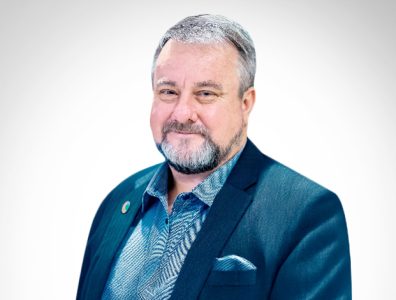
Shaun Mills, Worley’s senior vice-president for Oman, Kuwait, Qatar and the UAE (OKQU), talks to The Energy Year about building strong customer relationships in the Middle East and the key business areas driving growth in the UAE. Worley is a global professional services company of energy, chemicals and resources experts that supports the global energy industry.
How attractive is the Middle East’s energy industry for Worley?
The Middle East remains a key growth region globally, driven by the ambitions of its countries to expand their energy capacities. This creates significant opportunities, and 2025 is already shaping up to be a strong year for us. Our key focus remains the work we have secured with ADNOC, alongside the trusted relationships we have built with them and other customers.
In today’s competitive market, both national and international oil companies require substantial resources to achieve their ambitious goals. Given the finite nature of the market, true partnerships and close collaborations between service providers and these companies are essential. This approach has fuelled our growth, particularly in our work with ADNOC in helping them meet objectives and deliver results. Securing the FEED for ADNOC Gas’s Bab Gas Cap project, for example, was a key milestone.
Globally, sustainability-related work accounts for about 58% of our portfolio today, and we aim to increase that to 75% by 2026. This is an ambitious target, but we are committed to it. Alongside conventional projects, we are also closely monitoring developments in new energies, renewables and the energy transition.
While progress in these areas has been slow, we have had success supporting companies such as ADNOC with planning, consultancy and innovative projects – including blue hydrogen, carbon reduction and carbon capture. These efforts demonstrate our ability to adapt and lead in the region’s transitioning energy landscape.
How is Worley positioning itself to grow on the back of the region’s energy trends?
We are well placed for growth, backed by our extensive global experience in energy transition, investments in advanced technologies and automation, and a 70-year presence in the Middle East. Over time, we have built deep relationships and trust with our partners.
Take Qatar, for example. Our long-standing relationship with QatarEnergy reflects the value of our consistent presence. Customers in the Middle East place great importance on longevity, and our continued partnership reinforces that trust. We have established a strong local foundation. Our team members are very familiar with customers’ assets and this depth of knowledge provides us with a critical advantage.
Understanding our customers and their needs is one of our core strengths. It’s not just about delivering on a brief. It’s about anticipating challenges and addressing broader objectives. That’s why we focus on adding value beyond project delivery, such as through our value improvement programmes, which are integral to enhancing production and meeting customer goals.
Which key areas in the UAE do you think will drive the most growth for Worley?
The UAE has a clear strategy focused on two primary objectives: increasing energy capacity to meet local demand and enhance self-sufficiency and advancing the country’s energy transition. To support these goals, we see continued growth in the UAE’s core business, particularly in maximising production. Alongside this, there is a strong drive to reduce emissions through carbon reduction initiatives.
We are also excited about our recently inaugurated office in Abu Dhabi. This new space reflects our commitment to the UAE and will be instrumental in supporting our growth across key areas. While the broader energy transition remains a key focus, our discussions also centre on automation, digitalisation and AI. Our strong digital consulting group is well-positioned to deliver automation and digital solutions tailored to these needs. We are also expanding the scope of our service offerings to stay ahead in a market where traditional engineering services are becoming increasingly commoditised.
Differentiation is key, and our global expertise gives us a competitive edge. We combine the expertise of engineering technology specialists with investments in advanced technology solutions. Our heavy investment in digital automation and AI, supported by a dedicated team, underscores our commitment to innovation. Ultimately, our focus is on identifying and delivering solutions that provide tangible added value, strengthening our position as a trusted partner in this evolving landscape.
What are your key goals for 2025?
In the past couple of years, we have experienced periods of strong growth, followed by strategic adjustments to align with evolving market realities. As the market shifts its focus from front-end work and capacity expansion to project execution and delivery, we are well-positioned to capitalise on the resulting demand which will continue to drive higher growth for us in the region.
We offer our customers a more integrated experience, providing seamless access to our services across the full asset lifecycle. With our digital team’s expertise, we are offering solutions that go beyond commissioning and handover, supporting operations throughout an asset’s lifespan. As projects move into the execution phase, the demand for skilled resources significantly increases, and capacity constraints become a challenge.
This is an ongoing conversation with key partners such as ADNOC and QatarEnergy. While local expertise is essential, it must be balanced with global resources to meet growing demand. Leveraging our 8,000 engineers in India, alongside initiatives such as the National ICV [In-Country Value] Program and Emiratisation ensures effective knowledge transfer and capacity building.
We have seen this approach succeed elsewhere, such as in Nigeria, where we reached 100% localisation by leveraging expats initially to build skills and expertise. This balance of global capability and local development is key to our strategy. Importantly, we view Emiratisation not as a quota or scoreboard but as intrinsic to how we operate as a business.
Ultimately, we want to be both the partner of choice for our customers and the employer of choice in the region. These two ambitions are interconnected, as a strong internal culture directly translates to better partnerships and outcomes. By fostering these relationships and commitments, we position ourselves to thrive in an increasingly competitive landscape.
Read our latest insights on:
-

How the UAE is building its future
INTERVIEW -

-

More content from UAE


Quality seismic decisions for Angola
INTERVIEW
Latest news and features



Latest Reports


The Energy Year Oman 2026
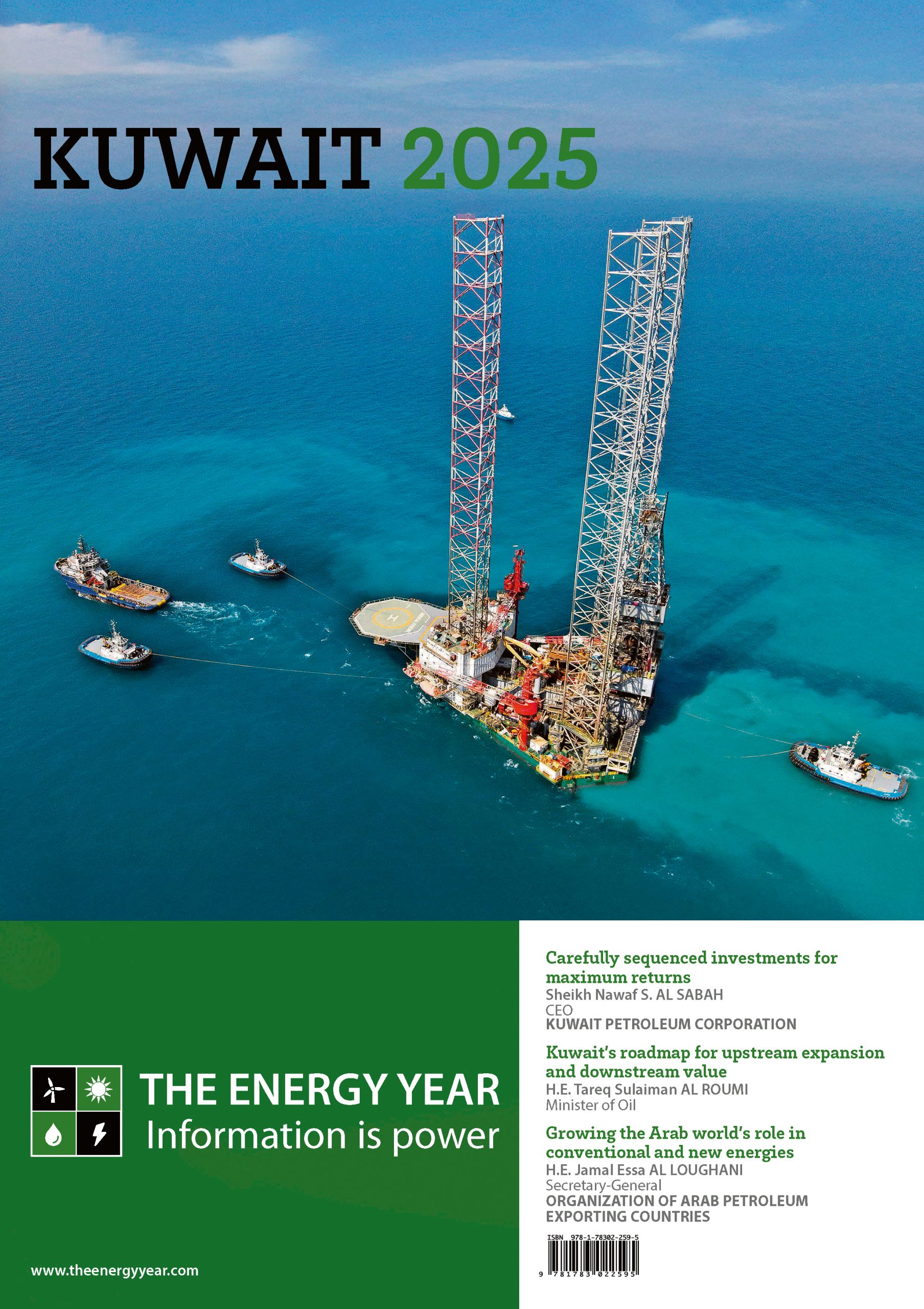
The Energy Year Kuwait 2025
The Energy Year Angola 2025
The Energy Year Nigeria 2025
The Energy Year Saudi Arabia 2025
The Energy Year UAE 2025

