

KPMG: Navigating Nigeria’s shifting energy landscape
February 10, 2026 Nigeria


Ayo Salami, partner at KPMG, talks to The Energy Year about how the firm is advising clients through Nigeria’s wave of IOC divestments and shaping practical energy transition strategies. KPMG is a global professional services firm providing audit, tax and advisory support across Nigeria’s evolving energy industry.
How is KPMG supporting energy companies through Nigeria’s shifting energy landscape?
KPMG’s involvement in Nigeria’s energy sector is wide-ranging, spanning audit, tax and advisory services. In recent years we’ve supported IOCs and Nigerian independents in the asset divestment process, which has gained momentum over the past two to three years. As IOCs relinquish their onshore assets, we assist both sides – advising them through the transaction and supporting local companies in valuing the assets and assessing fair purchase prices.
In the context of the energy transition, our role is also growing. Nigeria has set a 2060 net-zero target, and as a result more companies are setting internal decarbonisation goals. We help them interrogate their roadmaps and assess whether their assumptions are realistic, especially in light of board mandates and limited resources. We ensure their transition strategies are both practical and financially viable.
Another area where our support has become increasingly critical is the downstream segment, particularly with the advent of local refineries. The volume of imported petroleum products has declined, leading to a shift in how downstream players manage their supply chains. We help clients understand how local sourcing affects their logistics, vendor interactions and Customs processes.
Beyond that, we provide standard audit services to both new and established energy players. On the tax side, the sweeping changes introduced by Nigeria’s new consolidated tax act have been monumental. It’s arguably the most significant fiscal change since independence in 1960, and we are helping our clients navigate and adapt to this evolving landscape.
What are the most common pitfalls international investors face in Nigeria’s energy space – and how do you guide them through?
When international investors consider entering Nigeria, one of their primary concerns is fiscal clarity. We help them navigate the local tax and regulatory framework. This includes identifying the most suitable investment vehicles, clarifying tax exposures and explaining how different structures will impact their financial and fiscal footprints. For example, if a company is deciding between a joint venture or a wholly owned subsidiary, we help them understand the tax implications of each.
We also connect them with local partners, advise on collaboration opportunities and clarify interactions with Nigerian regulatory authorities. Our aim is to reduce uncertainty and help investors reach well-informed, risk-assessed decisions. That includes full scenario analysis of tax footprints, potential incentives and regulatory bottlenecks, giving them a realistic view of what their operations and compliance responsibilities would look like.
What impact has KPMG’s pan-African integration had on your ability to serve clients in Nigeria and across borders?
The integration of KPMG West Africa – Nigeria and Ghana – was a significant step forward, but the real game-changer came with the October completion of the KPMG Africa integration. We are now a single firm serving 13 countries across three clusters: West Africa, Southern Africa and East Africa.
Today, we have access to a broader resource base. If a Nigerian client needs a niche skillset we don’t have locally, we can seamlessly bring in experts from other clusters in the African region and beyond. This improved internal mobility allows us to meet client needs faster and more effectively.
Secondly, it’s been a boost for staff development. Our people can now go on secondments to other countries, which builds experience and cross-cultural competence. We have staff across clusters working seamlessly to serve clients. The net result is that we’re more competitive globally, more visible across Africa and better positioned to support international clients with pan-African ambitions.
How are you equipping teams to stay ahead in an industry shaped by local content rules and the global energy transition?
We see training not as a formality, but as a core driver of our ability to deliver world-class service in Nigeria’s fast-changing energy environment. In the energy sector, we run tailored programmes that span both local and international platforms.
Our partners have attended renowned institutions focused on niche areas (e.g., CWC’s Oil and Gas School in London), and we participate regularly in other training programs and seminars held locally to hone our skills (including the annual Nigerian Content Forum that holds in December and various Energy summits). These events combine technical learning with industry insight and networking.
As the sector evolves – particularly in renewables and decarbonisation – we ensure that our people stay current. We engage with leading events in the space and integrate key themes into our internal learning tracks. Each sector specialist follows a mapped-out training plan aligned with their focus area.
With Nigeria’s energy industry evolving on two fronts – IOC exits and decarbonisation – how is KPMG positioning for the future?
Looking ahead, our vision has two focus areas: traditional oil and gas and the energy transition. On the traditional side, IOC divestments mean Nigerian independents are now in control of prolific assets. These companies need comprehensive support – from post-acquisition integration to tax compliance and audit – and we see ourselves playing a larger role with them.
Many of the independents are still developing their internal capabilities and will require sustained external advisory. Their tax obligations alone are complex and significant, making our services essential for operational continuity and regulatory compliance.
On the energy transition front, we are leveraging our global KPMG network to plug into initiatives that are shaping Africa’s climate and decarbonisation agenda. We are tracking international policy developments and bringing those insights back to our clients. Post-2030, we expect many of these initiatives to crystallise into new regulations, incentives and financing frameworks.
We also continue to monitor developments in refining and downstream infrastructure, including engagements with key players such as Dangote and others. Our role is to ensure that clients’ operational strategies and compliance frameworks are fit for purpose – whether in hydrocarbons or renewables. The sector is changing, but it’s a change we are ready for.
Read our latest insights on:
-

-

A new opening for African gas
INTERVIEW -

More content from Nigeria


Quality seismic decisions for Angola
INTERVIEW
Latest news and features




Latest Reports


The Energy Year Oman 2026
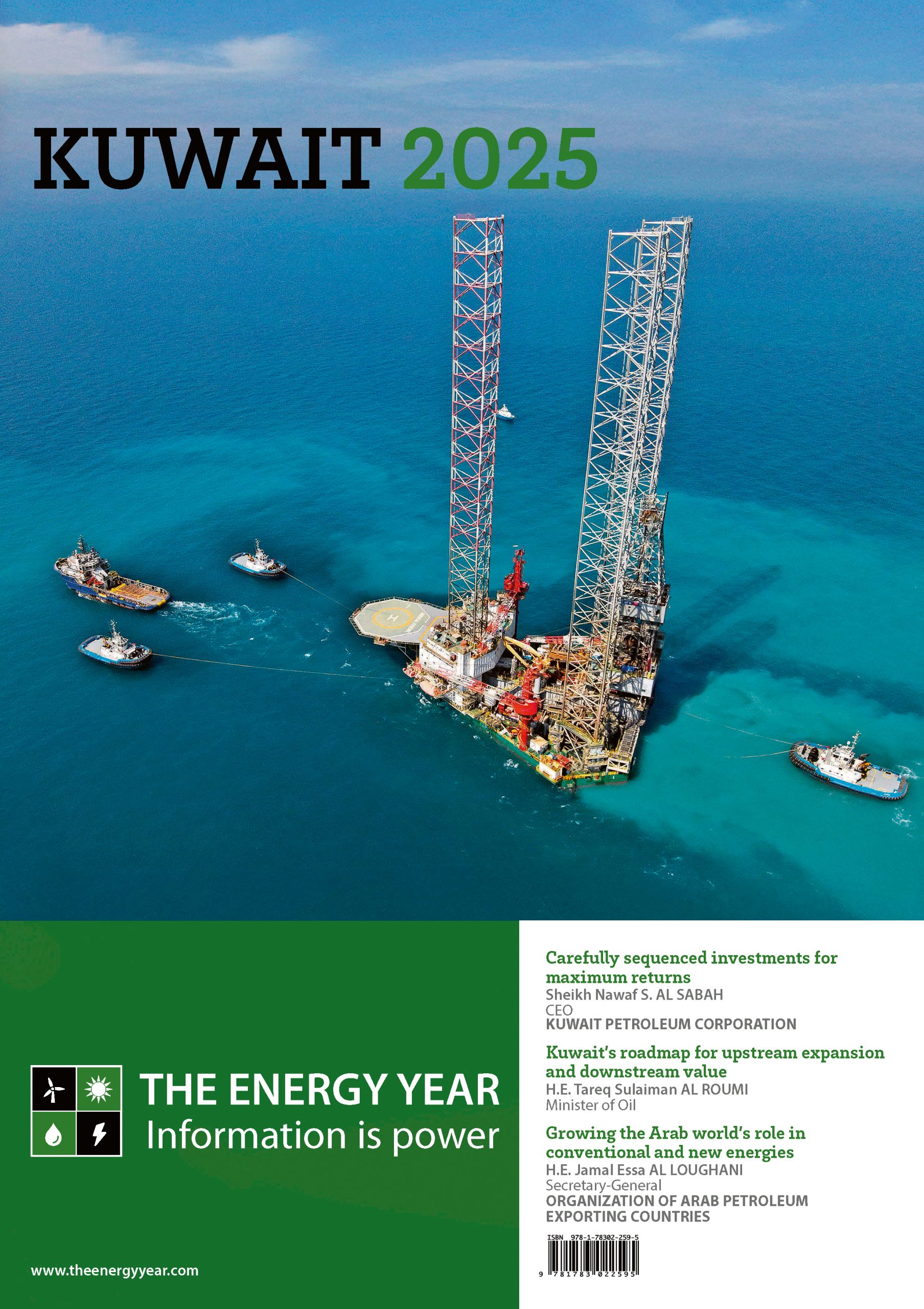
The Energy Year Kuwait 2025
The Energy Year Angola 2025
The Energy Year Nigeria 2025
The Energy Year Saudi Arabia 2025
The Energy Year UAE 2025

