
in figures
Kuwait's 2020-2035 FDI target:USD 200 billion
2020-2022 FDI growth:316%
Kuwait opens its doors wider for foreign businesses
September 12, 2024 Kuwait


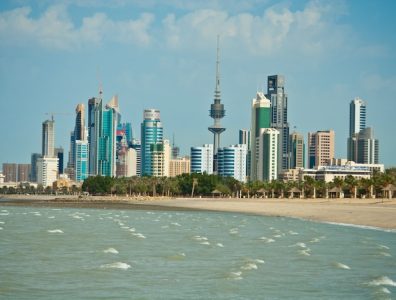
To ring in a new era of international participation in its domestic markets, Kuwait began 2024 by passing a landmark policy revision that allows greater access for foreign entities. The move is seen as a catalyst by local leaders for a shift towards a more welcoming business climate and larger contributions from global players in the energy industry.
Kuwait’s government has initiated a series of reforms to promote foreign investment in the country which are expected to have significant repercussions on the composition of the economy and the nation’s oil and gas industry. The move aligns with Kuwait’s ambitious target of attracting inflows of more than USD 200 billion between 2020-2035 and becoming a prominent player in world finance and trade.
In January 2024, Emir Mishal Al Ahmad Al Jaber Al Sabah approved Law No. (1) of 2024 that lowers barriers to entry by doing away with the requirement that foreign companies have a local agent to operate in the market.
According to Ola Saab of Kuwaiti law firm Al Tamimi & Co, the new reform is a constructive first step in reaching the country’s investment targets, stating “Kuwait used to be an investment hub in the GCC, and now the country is opening its doors once again by relaxing regulations and creating incentives to attract foreign direct investment.”
The new legislation includes two key amendments. The first allows foreign companies to set up branches in Kuwait without a local partner. In the past, Kuwaiti partners would typically take a majority stake in local operations, reducing investors’ ability to control operations and the fruits of their ventures. The second allows foreign companies that are registered as service providers to bid on local projects without the need for commercial registration in the country.
TOWARDS A NEW MODEL: In 2022, Kuwait attracted USD 758 million in foreign direct investment, according to UNCTAD’s World Investment Report. The figure represents an increase of 316% from 2020, but investment flows into the country remain low compared to the levels Kuwait experienced a decade ago and compared to those of neighbouring oil-rich nations.
In 2022, regional heavyweights the UAE and Saudi Arabia saw foreign direct investment inflows of USD 22 billion and USD 7.88 billion, respectively. Nearby Bahrain, whose economy is significantly smaller than Kuwait’s, attracted inflows of USD 1.95 billion and has consistently outperformed Kuwait over the past decade.
The new law has stimulated further reforms. In February 2024, Kuwait’s then Prime Minister Mohammad Sabah Al Salem Al Sabah presented a new 100-day action strategy which contained financial reforms intent on diversifying the country’s reliance on its oil wealth. Measures have followed to revisit borrowing and taxation laws and to reduce the government’s role in economic activity, which is seen as a source of delays for investment ventures.
Regarding the new measures, Saab says, “We are also seeing improved bureaucratic practices that are reducing red tape and easing bottlenecks that hamper progress.” However, more work is required to make tendering processes more transparent and to define compensation amounts for investors who suffer losses when projects are retendered or cancelled. Further according to Saab, “Such initiatives would put investors more at ease and demonstrate a commitment towards creating a business-friendly environment.”
Kuwait is one of the world’s wealthiest economies, and freer access to its markets would be welcomed by international companies who see lucrative opportunities in them to supply anything from raw material inputs to advanced engineering and IT solutions for the country’s growing infrastructure, banking and healthcare sectors.
“I see foreign companies wanting to step up their business in Kuwait,” says Marion Chehab of the German Business Council in Kuwait. “Generally, companies need time, patience and ample funding to set up their business in Kuwait, but they are usually repaid with success and loyalty once they have proven their intent.”
Read our latest insights on:
More content from Kuwait





Quality seismic decisions for Angola
INTERVIEW
Latest news and features




Latest Reports


The Energy Year Oman 2026
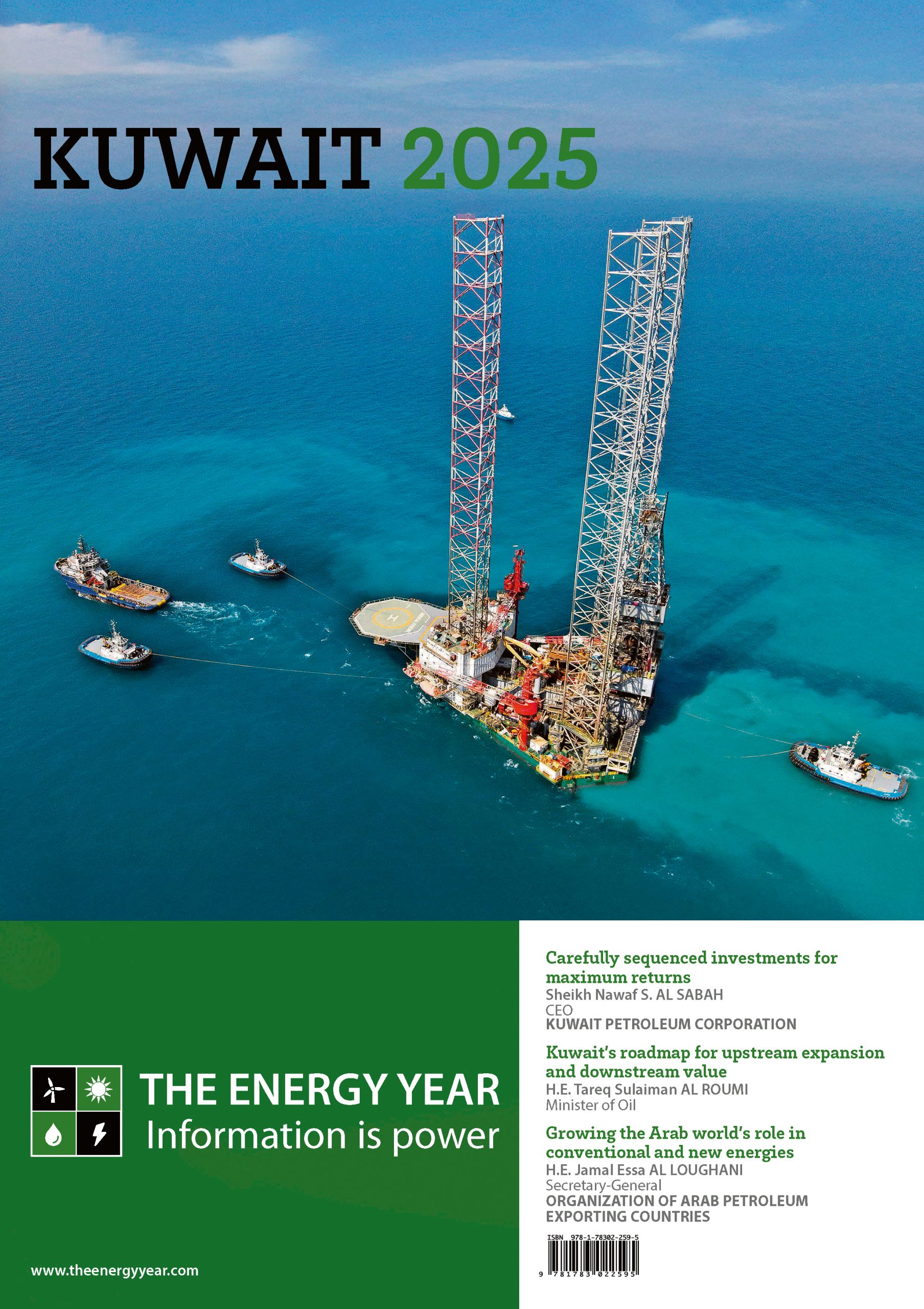
The Energy Year Kuwait 2025
The Energy Year Angola 2025
The Energy Year Nigeria 2025
The Energy Year Saudi Arabia 2025
The Energy Year UAE 2025

