
in figures
Expected total energy-transition investment between 2024-2050:USD 80 billion
Current share of renewables in total power generation:70%
Expected share of solar and wind in total energy production by 2040:20%
Mozambique: The making of an African clean energy powerhouse
October 20, 2024 Mozambique


Mozambique recently unveiled a game-changing energy transition strategy that is paving the way for heightened investment inflows and universal access to energy across the country. By 2030, Mozambique aims to achieve universal electrification through on-grid and off-grid solutions while dramatically increasing its installed capacity through hydro, solar, wind and gas projects.
Mozambique stands on the edge of a transformative era in power generation. With its vast renewable energy resources and ambitious goals for electrification, the nation has the potential to become one of Africa’s leaders in clean energy production. In December 2023, President Filipe Nyusi announced a new energy transition strategy at COP28 in Dubai that targets having universal access to energy by 2030. The country also wants to become an exporter of energy to the region.
ENERGY FOR ALL: The initiative builds on the Energy for All initiative launched in 2018 by expanding renewables projects in hydro, solar and wind, capitalising on new gas finds, promoting biofuels and reinforcing the country’s transmission network. The energy blueprint is expected to attract more than USD 80 billion in public and private investments by 2050 and pole-vault the low-income nation towards industrial diversification and newfound prosperity.
“Mozambique’s national energy transition strategy outlines a bold vision,” notes Ricardo Costa Pereira, founder and president of the Mozambican Renewable Energy Association. “Financial resources for renewables projects have grown steadily, with nearly USD 230 million available in 2023.” Including hydropower, renewables currently make up 70% of all energy produced in Mozambique.
Hydropower has traditionally been the largest contributor to Mozambique’s power production. The country has one of the largest potentials in Africa, largely thanks to the mighty Zambezi River, which boasts a projected production capacity of 20 GW. More than half of this potential is in Mozambique.
Existing power plants such as Hidroeléctrica de Cahora Bassa (HCB) contribute significantly to the country’s energy production. HCB began production in 1977 and is currently Africa’s second-largest hydroelectric complex, having hit a five-year peak in electricity production of 16 TWh in 2023.
A second major project is being developed 60 kilometres downstream from HCB by a consortium including EDF, TotalEnergies and Sumitomo Corporation, which partnered with the government in December 2023 to develop the 1.5-GW Mphanda Nkuwa hydropower project.
Works are scheduled to start in 2024, with commissioning expected in 2031. The plant will increase Mozambique’s installed capacity by 50% and generate 8.6 TWh per year, enough to power more than 3 million homes.
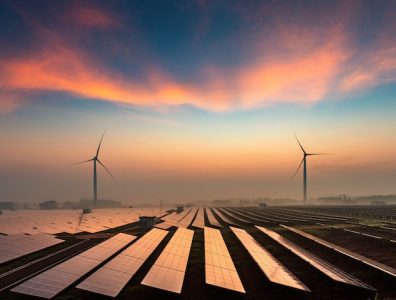
A GREEN REVOLUTION: The country is also actively developing other renewable energy segments, such as solar and wind, which together are expected to represent 20% of domestic energy production by 2040. The largest wind farm under development is the onshore USD 270-million Namaacha wind farm in Maputo, which is expected to contribute 120 MW.
The project is being developed by international developer Globeleq, with USD 99 million in financing from the US Development Finance Corporation. Namaacha will be the country’s first grid-scale project and a 40-kilometre, 66-kV transmission line will send its electricity to a substation in Boane for further distribution.
Another major wind project under development is the 50-MW facility in the Inhambane province, which is currently in its feasibility study phase.
Significant solar projects include the 40.5-MW Mocuba plant, which began operation in 2019 and is expected to undergo a major expansion following Globeleq’s acquisition of a 75% stake in the project at the end of 2023. Another major development is the 41-MW Metoro project commissioned by independent power producer Neon in 2022.
Other initiatives are expected to arise to meet the government’s goal of having at least 7.5 GW of PV capacity installed by 2030. Alongside wind and solar, Mozambique also has large biomass potential, with estimates pointing to the possible production of 2 GW.
GAS IN THE ENERGY TRANSITION: With the largest natural gas reserves in sub-Saharan Africa, Mozambique is also focused on utilising clean gas as a transitional fuel for its power generation sector. A giant 2-GW combined-cycle gas turbine power plant is being planned in Beluluane, near Maputo. It is being developed by Central Térmica de Beluluane together with Mitra Energy, with commissioning planned for 2026 and expansion phases expected to follow.
Another large development is the 450-MW Temane gas-fired plant in Inhambane. Also developed by Globeleq, construction on the USD 652-million project began in 2022 and is expected to be completed by the end of 2024.
THE ROAD TO ELECTRIFICATION: Mozambique has made significant progress in expanding its transmission and distribution network, with electrification rates climbing from 34% in 2021 to 67% in 2024 thanks to new and ongoing projects. Moving forward, the nation plans to meet its universal electrification target by installing around 2.5 million new grid connections and 2 million off-grid connections.
National electric utility company Electricidade de Moçambique has been steadily building up the country’s network, adding approximately 300,000 new connections and 100,000 off-grid connections per year. By 2030, the country’s transmission grid is expected to handle up to 32 TWh, with up to 25% of the electricity coming from renewable sources, and will reach 75 TWh by 2050. The nation has a slew of overhead transmission projects under way, with the largest developments being the 500-kV Cataxa-Maputo line, the 400-kV Chimuara-Namialo line and the 400-kV
Marracuene-Maputo line, which are all expected to be complete by the end of 2024. Two additional 400-kV lines covering the Palma-Metoro and Temane-Maputo segments are expected to be commissioned in 2025 and 2026, respectively.
As noted by Samir Salé, country and business development director of Globeleq, “Mozambique’s size and shape make the transportation of electrons across the country quite expensive,” and mini-grid systems will be essential to reach Mozambique’s large rural communities.
Most of Mozambique’s off-grid projects are being overseen by national promoter and developer FUNAE. In March 2024, the institution announced it would invest in 19 new mini-grid construction projects in remote areas to add to its portfolio of generation assets. They will be joined in their efforts by private off-grid solar companies to bring electricity supply to an increasing number of rural households.
Read our latest insights on:
-

Project highlight: Mozambique LNG
PROJECT HIGHLIGHT -

-
Project highlight: Mozambique’s Central Térmica de Temane
PROJECT HIGHLIGHT
More content from Mozambique


Quality seismic decisions for Angola
INTERVIEW
Latest news and features



Latest Reports


The Energy Year Oman 2026
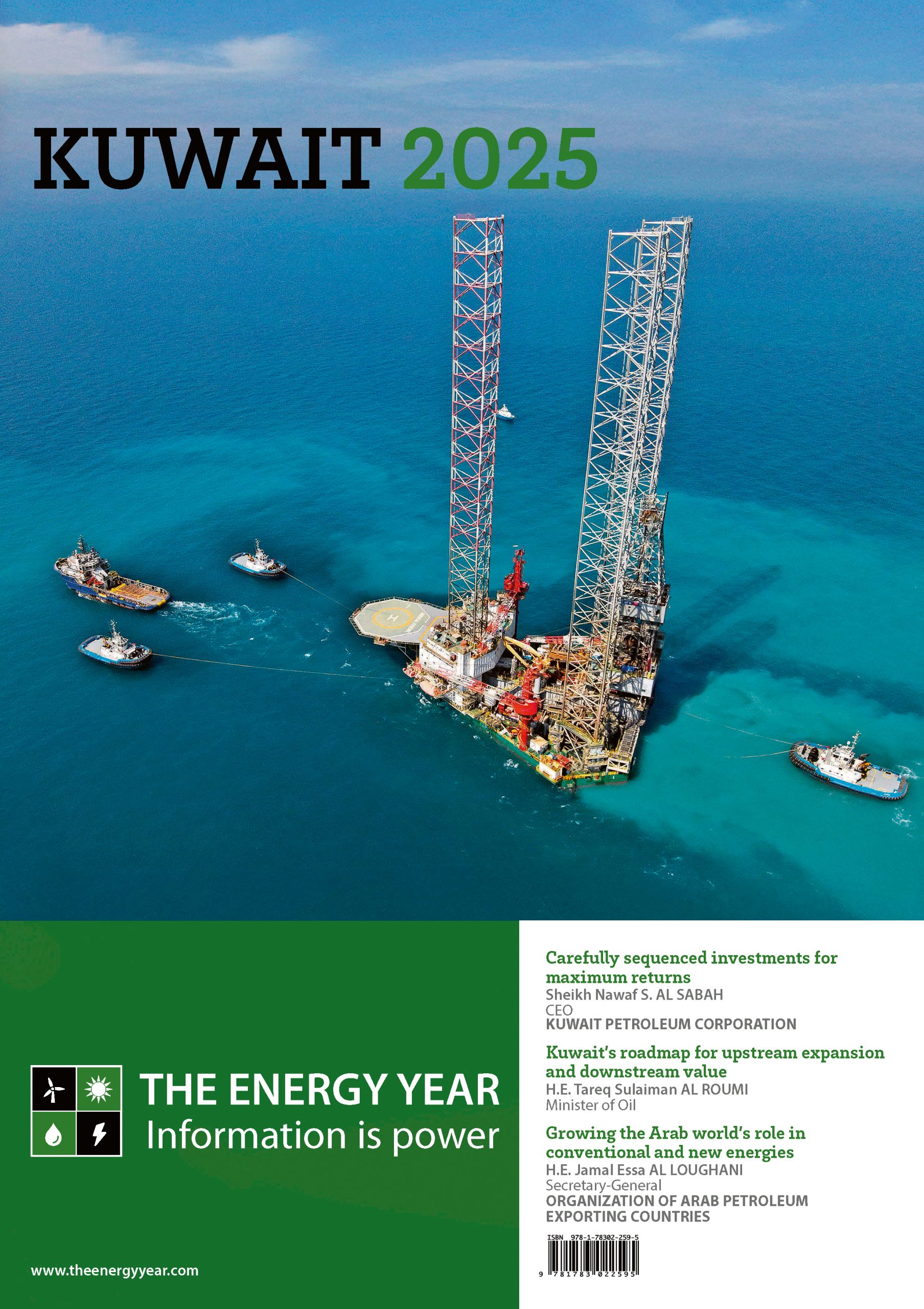
The Energy Year Kuwait 2025
The Energy Year Angola 2025
The Energy Year Nigeria 2025
The Energy Year Saudi Arabia 2025
The Energy Year UAE 2025

