


Multi-jurisdictional counsel for oil and gas ventures
September 1, 2024 Mozambique


Paulo Pimenta, managing partner of Pimenta e Associados, talks to The Energy Year about the company's participation in energy projects and the evolving configuration of local content laws in Mozambique. Pimenta e Associados is a Mozambican law firm specialising in corporate and tax law, energy, startups and M&A.
Can you give us an overview of Pimenta e Associados’ experience in the Mozambican energy sector?
Pimenta e Associados has supported some of the major energy projects in the country. We were involved in the Mozambique LNG project almost from the very beginning, with Anadarko.
We leveraged the experience of our colleagues in the Miranda Alliance, of which we are the Mozambican member firm, who have significant exposure to oil and gas matters in Angola and other African jurisdictions. Thanks to our partnership with Miranda Alliance member firms, we can offer services that other firms don’t have and take advantage of their large expertise in the oil and gas sector.
We have also been involved in mining and logistics projects. We assisted Vale and Nacala Logistics on projects in the Nacala Logistics Corridor and a USD 2.3-billion project finance operation which was recognised with the African Project Finance of the Year award. We also assisted Vale in their exit from Mozambique.
At the moment, we are also deeply involved in the renewables sector with solar and wind projects.
What are some of the services you offer to energy companies?
We are a full legal service law firm so we do a bit of everything. On projects involving financing, sometimes we assist the lenders and take care of security, making sure that the banks are safeguarded in case of default. So far, we have not dealt with any case of default. Other times, we are on the sponsor side.
Our first solar plant project in Mozambique raised a number of challenges, including the need to create a mortgage. In Mozambique, as a general rule, land is the property of the state, so one cannot present land as collateral. Therefore, the question we had to resolve was whether solar panels could constitute a fixed asset to be mortgaged. We needed to examine the possibility with the Mozambican property registrar because it was the first case in the country.
What is your assessment of local content regulations in Mozambique?
Local and foreign companies need to be educated on the topic. The government is doing a good job trying to involve parastatal companies such as ENH and EDM, the national electricity company. There is a general law on local content but it needs to be regulated. This is under public discussion, but we don’t know with certainty what local content regulations will be.
The Public Private Partnership Law also contains some rules requiring a local partner or the listing in the stock exchange of a portion of the company’s share capital. Currently, in most situations, local content is a nice-to-have rather than a must-have. Local content might give companies an advantage when bidding for certain tenders, but it’s not a mandatory requirement. International companies don’t need local partners for most of their projects.
Read our latest insights on:
-

Project highlight: Mozambique LNG
PROJECT HIGHLIGHT -

-

Project highlight: Mozambique’s Central Térmica de Temane
PROJECT HIGHLIGHT
More content from Mozambique


Quality seismic decisions for Angola
INTERVIEW
Latest news and features




Latest Reports


The Energy Year Oman 2026
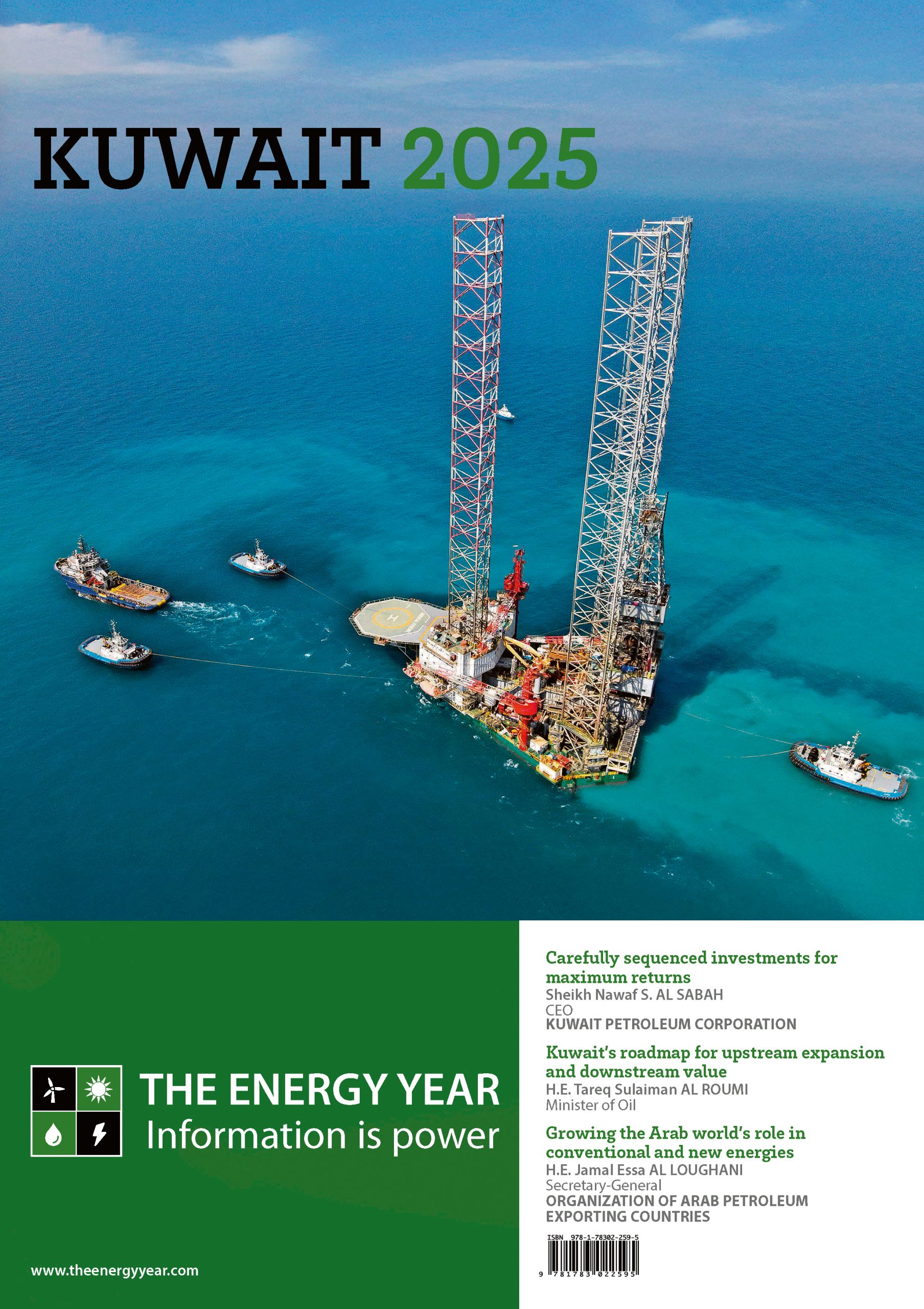
The Energy Year Kuwait 2025
The Energy Year Angola 2025
The Energy Year Nigeria 2025
The Energy Year Saudi Arabia 2025
The Energy Year UAE 2025

