


Navigating new frontiers from an Angolan base
November 4, 2025 Angola


Alan Glyn-Cuthbert, operations manager of Petrowork Solution, talks to The Energy Year about how the company’s experience in Angola is preparing it for expansion into Guyana and current challenges in Angola’s oilfield services sector. Petrowork Solution is an Angolan services company providing diverse support to the oil and gas sector.
What have been the key developments for Petrowork over the past year?
The most important development has been the ongoing expansion of our facilities. It’s a substantial, time-consuming project but one that we expect will contribute a lot to our growth and our recognition in the industry.
We’ve introduced several new services, including inspection services that encompass rope access, non-destructive testing and lifting gear inspection. To support this, we’ve pursued a series of certifications and memberships that help build our credibility in this area. Most of these certifications are already completed, although they naturally take time.
Another major development is our expansion into Guyana. It’s a dynamic and exciting place, very similar to Angola in terms of development and logistics. The pace of development there, driven by ExxonMobil, is impressive and presents a lot of promise.
How does your experience in Angola prepare you for success in Guyana, and how are you pursuing expansion in Guyana?
The core transferable skill is how to manage logistics in remote and challenging environments. Operating in Angola means you learn to plan thoroughly and well in advance. Unlike markets such as the North Sea, Houston or the Gulf of Mexico, Angola – and similarly, Guyana – doesn’t allow for the same kind of quick adaptations or last-minute changes. Success in such locations depends heavily on meticulous, long-term logistical and staffing strategies.
Petrowork is always the leading face of our work, but we do actively engage with local partners wherever we go. This isn’t just a strategic decision; it’s a commitment. We believe in contributing to local development, not just temporarily showing up to execute contracts. We want to help build sustainable local competence, and that means investing in people and capacity on the ground. That approach applies equally in Guyana or any other new market we enter.
Is Namibia also a part of your geographical growth strategy?
Namibia is certainly part of our roadmap, although it represents a different kind of challenge. It’s easier to operate there than in Angola, which means competition is fiercer and margins are tighter.
We’ve started operations and are growing our client base, but we’re proceeding cautiously. The logistics are simpler for companies entering Namibia from South Africa, not from Angola. Moving people, equipment or money from Angola to Namibia requires more effort, even though the two countries are geographically close.
What’s the status of your facility expansion in Viana?
The Viana expansion is part of our broader development strategy, and it has progressed significantly. We’ve also expanded our presence in SONILS to better support offshore operations, which have been growing steadily. Additionally, we’ve invested in setting up operations in Cabinda, which is a crucial part of our upstream service offering.
What’s your perspective on current challenges in the oilfield services sector?
Competition has grown substantially over the past two years. In many of the specialised segments we operate in, we’ve seen a flood of new players. Some of them may not even be qualified. It’s not unusual now to see companies appearing overnight with big marketing claims despite questionable credentials.
On top of that, Angola’s economic environment has become more difficult. We’re dealing with 30% inflation, but the official exchange rate hasn’t adjusted accordingly. That means our local costs are rising while we’re locked into existing contract prices. It’s a big issue for long-term planning and profitability.
Cashflow continues to be a challenge, especially in Angola where it has historically been difficult. At the same time, it is becoming increasingly hard to work with financial tools locally.
On a practical level, we also face increased difficulty with visas, especially for border entries or short-term projects. This affects our ability to meet mobilisation schedules, proof of performance and invoicing deadlines. Resources that used to go towards operations now get diverted to solving administrative bottlenecks.
What motivates your expansion strategy, and do you have plans to diversify into downstream or other sectors?
One of our main drivers is to protect our position in Angola. Our clients are expanding and asking us to follow them into new markets. If we don’t move with them, someone else might, and that’s a direct threat to our core business. So, in a sense, our expansion is both offensive and defensive: it supports client growth while safeguarding our own.
Regarding diversification, our DNA is upstream-focused, and that’s where we see our strengths. We’re currently expanding into Cabinda, which for us is almost like a different country: It’s logistically complex and culturally distinct. We’re setting up local teams and infrastructure there to support this move. We’re optimistic but cautious. For now, we’re staying true to our upstream roots and continuing to build depth there.
What are your main goals for the near future?
Over the last two to three years, we’ve experienced exponential internal growth. That kind of rapid scaling puts immense pressure on both people and processes. Our next step is to adapt to strengthen and stabilise our operations so we’re less reactive and more proactive. That’s not easy in a constantly shifting market, but it’s crucial. Ultimately, we aim to consolidate the Angolan entity to make it robust enough to support and anchor our external ventures.
Read our latest insights on:
-

Quality seismic decisions for Angola
INTERVIEW -

-

More content from Angola

Quality seismic decisions for Angola
INTERVIEW
Latest news and features



Latest Reports


The Energy Year Oman 2026
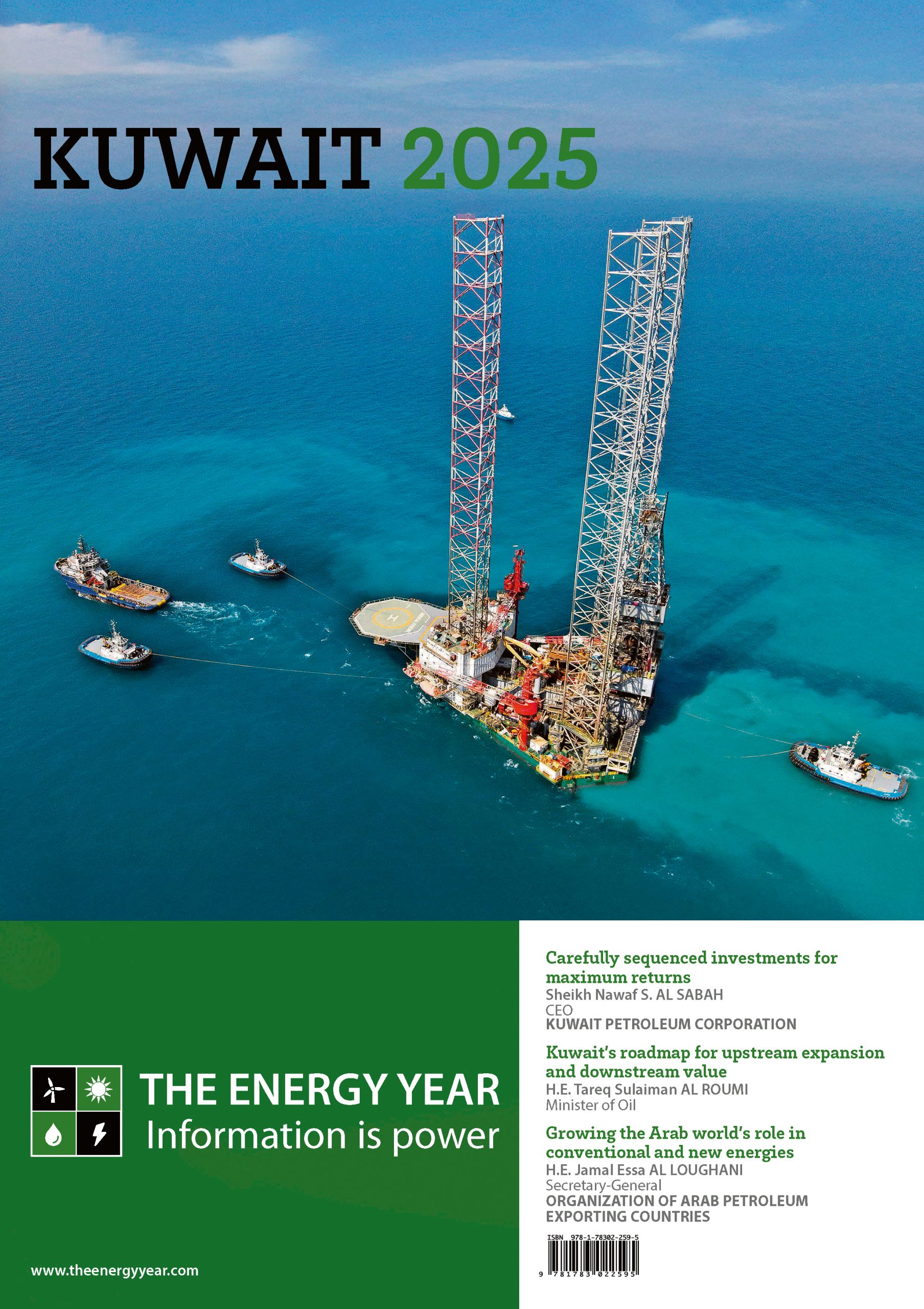
The Energy Year Kuwait 2025
The Energy Year Angola 2025
The Energy Year Nigeria 2025
The Energy Year Saudi Arabia 2025
The Energy Year UAE 2025

