
Saudi Arabia’s booming, capex-saving equipment rental segment
June 3, 2025 Saudi Arabia


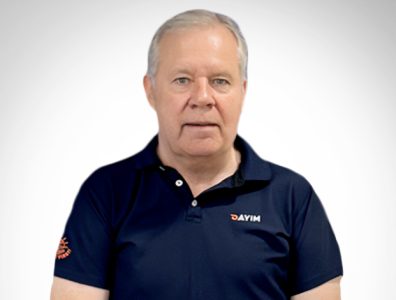
Andy Carter, CEO of Dayim Equipment Rental, talks to The Energy Year about trends in the Saudi equipment rental market and the company’s plans to expand its operations into other GCC countries. Dayim Equipment Rental provides equipment, tools and machinery for oil and gas, logistics, events and giga-projects, among others.
What are Dayim Equipment Rental’s key operations and most in-demand products?
We focus on the oil and gas, logistics and construction sectors. We are currently very involved with The Red Sea development. We rent out our own equipment and also subcontractor equipment as a managed service. We have also recently expanded into the UAE market.
Nitrogen production units are increasingly in demand, particularly in the downstream oil and gas sector, as are mud skids and other technical oil and gas equipment. We face limited competition in the market for this type of equipment, and we continue to see solid returns from these services.
How does Dayim Equipment Rental differentiate itself from its competitors in the market?
The main differentiation is our heavy investment in telemetry technology. It allows us to track the performance and utilisation of our equipment, and we then share the data with our clients. Telemetry helped one of our oil and gas clients reduce costs when it showed that they were deploying more equipment than they needed. Such services build trust with clients and help us become their number-one supplier across the GCC.
Furthermore, our purpose-built facility in the Second Industrial City is a key part of our strategy. It is the nerve centre from where we track every piece of equipment, monitor its performance and provide real-time data to our clients. As far as we’re aware, none of our competitors currently offer this level of service or transparency.
Our approach is not just about providing equipment; it’s about building long-term partnerships with clients by helping them reduce their costs, increase their activity and plan for future growth. This ensures consistent revenue streams for us and helps us to plan investments and expansions more effectively.
What was your turnover in 2023 and what growth do you expect for 2024?
In the past four years, we have seen year-on-year growth of around 30%. We are forecasting growth of around the same in 2025. We are probably one of the biggest investors in the GCC in our product range, and we are in market-leading positions in the territories where we operate.
What led you to enter the UAE market, and what sectors are you focusing on?
We expanded into the UAE as we are keen to grow our regional footprint. A number of our key clients operate in the UAE and they were keen for us to open up there so we could continue to offer the top-quality service that they have come to expect from Dayim. In that market, we are targeting the oil and gas, logistics and events sectors.
How do you see the Saudi oil and gas market evolving, and what role do you think equipment rentals will play in that evolution?
I believe demand for oil and gas will continue to grow, especially in the Middle East, where Saudi Arabia’s oil reserves will last for decades. While there will be a shift towards more sustainable energy sources, fossil fuel production will remain a key revenue driver in the short to medium term. Companies will prefer to rent or lease equipment, rather than invest capital in owning it, as it allows them to switch costs on and off as needed.
The preference for renting over owning equipment is not limited to oil and gas but is part of a global trend. It’s already well-established in Europe and is maturing in the US. The Middle East and Asia are following suit, as companies seek to conserve capital by outsourcing non-core elements. As a result, the equipment rental market will continue to grow across various sectors.
How is Dayim adapting its equipment to meet international standards and incorporate new technology?
We have invested heavily in telemetry and advanced systems that measure equipment performance and alert clients to any issues. We were also among the first to offer nitrogen membrane units, which produce nitrogen on-site and eliminate the need for transporting the gas. We’ve also been investing in battery technology to offer cleaner energy solutions to our customers.
In parallel, we have stayed ahead by continuously renewing our fleet and keeping its average age below three years. Newer equipment is more fuel-efficient, generates fewer emissions and incorporates the latest technological advancements. Our customers also appreciate its reduced downtime and higher productivity.
We have a long-term plan to incorporate more sustainable products into our portfolio, and as part of our localisation strategy, we are also looking to manufacture equipment in Saudi Arabia, which aligns with local content requirements and supports the local workforce.
Which specific projects are you currently targeting in Saudi Arabia?
We focus on demand-driven projects, particularly those that are necessary for the country’s economic growth. Infrastructure projects, including airports and roads, are being driven by rapid population growth, especially around Riyadh. These types of projects align with the country’s Vision 2030, which we fully support.
Our goal is to support projects that align with Saudi Arabia’s long-term priorities. We have significant experience from events such as the FIFA World Cup in Qatar, where we provided support for the construction of infrastructure and temporary facilities.
Additionally, we see strong demand coming from power generation, water desalination and other key infrastructure projects. With Saudi Arabia aiming to make Riyadh one of the top 20 cities globally, there will be a growing need for utilities and connectivity. We will ensure that our equipment portfolio is adequately structured to support these developments
Which GCC markets are you planning to enter next, and how do you plan to adapt your operations to meet their needs?
Our core focus across the GCC remains the oil and gas sector, but we will tailor our operations to the specific needs of each market. In the UAE, for example, we will focus on events, which is a major sector there, and logistics, where we can offer several handling solutions. Each market has its own dynamics, and we will dedicate our efforts to those with the most potential.
Oman is our next expansion target, though not for the immediate future. We plan to enter that market in the next couple of years, primarily supporting oil and gas production. We are already working on solutions for high-producing wells. For example, we have identified that significant losses stem from generator breakdowns, and we are developing a solution to minimise such disruptions and save companies substantial costs, positively impacting their profit margins.
Read our latest insights on:
More content from Saudi Arabia



Quality seismic decisions for Angola
INTERVIEW
Latest news and features



Latest Reports


The Energy Year Oman 2026
The Energy Year Kuwait 2025
The Energy Year Angola 2025
The Energy Year Nigeria 2025
The Energy Year Saudi Arabia 2025
The Energy Year UAE 2025

