
Speciality chemicals for the GCC’s industries
March 20, 2025 UAE
UAE 


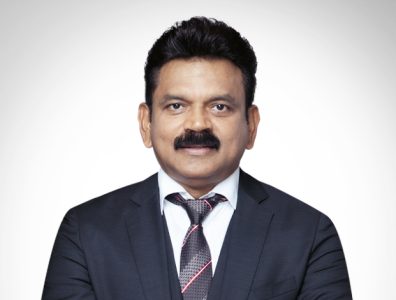
Anandkumar Varadharajulu, co-founder, CEO and managing director of AquaChemie, talks to The Energy Year about how localisation programmes in the GCC are bringing new business to domestic chemicals manufacturers and the company’s plans to triple its production capacity with a new plant in Jubail. AquaChemie is a manufacturer and distributor of industrial and speciality chemicals and a provider of chemical blending, disposal and inventory management services.
What industrial sectors does AquaChemie mainly cater to?
Our focus sectors span the oil and gas upstream, where we provide chemicals to support oil extraction processes, and downstream, where we supply to refineries, petrochemical facilities and fertiliser plants. We also serve the water and desalination, power, steel and mining sectors. Our energy sector customers include ADNOC, Aramco, SABIC, Petroleum Development Oman, QatarEnergy, Kuwait Oil Company and Iraq’s Basrah Gas Company.
In 2023, 20% of our turnover came from speciality chemicals manufacturing and 80% from distribution. However, in the next five years, we aim to shift this to 40-60. We are investing in R&D facilities and two new plants in India that will complement our existing quality and application labs to create customised solutions for our customers.
We will have teams in place in early 2025 and expect a boost in revenue from speciality chemicals by the end of the year. We have been hiring industry experts for our teams, and their presence is being recognised by our customers, which is giving momentum to our sales and widening our margins.
Can you provide an overview of your manufacturing capabilities?
We have three production facilities in the UAE. One of them is a joint venture with Kurita Water Industries, a Japanese company, and is located in the Jebel Ali Free Zone. AquaChemie holds a 49% stake, and Kurita holds 51%. It has a separate CEO and focuses on the refining and petrochemicals segments.
We have additional manufacturing facilities in Qatar and Saudi Arabia, which manufacture chemicals for the oil and gas sector, including drilling, cementing, stimulation and production chemicals.
What is your assessment of localisation initiatives in the UAE and the GCC?
Localisation is becoming increasingly important in our industry. Previously, companies operating in the UAE, Saudi Arabia and Qatar would spend a lot of money bringing chemicals from the US or Europe and storing them in the region, which created a burden on their balance sheets as they often went unused. Now, they are seeing the benefit of having a domestic manufacturer, which has led us to invest in plants in various locations in the GCC from where we can support manufacturers in the region.
In 2020, we opened a plant in Qatar. It initially faced criticism, but it is now benefiting from QatarEnergy’s strong emphasis on buying from domestic manufacturers. Tawteen, which is a supply chain localisation programme, has been generating much visibility and momentum for local manufacturers.
How large is your business footprint in Saudi Arabia?
We are the majority partner in an 80-20 joint venture in Saudi Arabia with Kurita, and we are in discussions to potentially include a minority government participation. We have a large manufacturing facility under construction in Jubail that is 70% complete, and we are planning to build a new terminal there with three times the storage capacity of our UAE facility in Jebel Ali. The new plant is expected to come on line in Q3 2025 and will manufacture speciality chemicals, primarily for Aramco and SABIC.
What steps do you take to ensure your customers have a steady supply of chemicals?
Our customers include refineries and petrochemicals plants that operate around the clock, 365 days a year, and we have always been a reliable supplier. Plant shutdowns can lead to losses of up to USD 50 million per day, depending on the size of the plant, and we have supply strategies that help prevent them.
Our largest contract is with Shell’s Pearl GTL [gas-to-liquids] plant in Qatar, to whom we have been supplying more than 50 chemicals since 2011. We are the plant’s sole supplier and have managed to maintain steady daily deliveries even during the Qatar diplomatic crisis and Covid-19. They recently extended our contract for another eight years, which shows the trust they have in us.
Read our latest insights on:
-

How the UAE is building its future
INTERVIEW -

-

More content from UAE


Quality seismic decisions for Angola
INTERVIEW
Latest news and features



Latest Reports


The Energy Year Oman 2026
The Energy Year Kuwait 2025
The Energy Year Angola 2025
The Energy Year Nigeria 2025
The Energy Year Saudi Arabia 2025
The Energy Year UAE 2025

