


Unified supply chain capabilities for Saudi Arabia
June 27, 2025 Saudi Arabia


Craig Roberts, CEO of ASMO, talks to The Energy Year about enhancing procurement and supply chain services across Saudi Arabia’s oil and gas sector, and creating collaborative value by consolidating industrial demand. ASMO is a joint venture between DHL and Saudi Aramco that provides supply chain services for the energy, chemical and industrial sectors
What is the value proposition that ASMO brings to Saudi Arabia?
ASMO brings an integrated model that combines procurement, logistics and warehousing into one solution. We are uniquely positioned to leverage DHL’s global supply chain expertise and align it with industry needs.
Ours isn’t a traditional vendor relationship – it’s a strategic joint venture grounded in long-term ambition and mutual trust. Being entrusted with Aramco’s procurement operations reflects the confidence placed in our model.
This is a long-term investment from Aramco and DHL, backed by substantial operational and financial commitment. Vision 2030 and the IKTVA [In-Kingdom Total Value Add] programme have set a bold direction for Saudi Arabia, and ASMO is fully aligned with that agenda. The support we have received from senior government and industry leaders has given us momentum and affirmed the relevance of our role. Our strength lies in combining scale, alignment and a clear commitment to execution.
What are ASMO’s core services?
ASMO is taking a phased, deliberate approach to growth. Our initial focus is on delivering procurement and supply chain services to Saudi Arabia’s oil and gas sector, specifically supporting Aramco and its supplier ecosystem. That said, our scope is rapidly expanding, and we are seeing increasing interest from adjacent sectors such as aviation and pharmaceuticals.
Organisations vary in their procurement structures and operational models, so we adopt a consultative sales strategy. This means engaging with stakeholders to tailor our solutions to their needs. While this process may take time, it is essential to mitigate risks. Procurement inefficiencies can cause disruption, and our role is to maintain operational continuity.
Looking ahead, we aim to scale regionally into the GCC and MENA and ultimately expand globally. Saudi Arabia is emerging as a key logistics hub, and ASMO is strategically positioned to support this transition by connecting regional and international markets.
What opportunities and challenges do you anticipate under Vision 2030?
One of the primary challenges is fragmentation. Many organisations in this sector operate independently, despite purchasing similar goods and services. ASMO is advocating for a collaborative model that allows these entities to pool demand and consolidate procurement and logistics flows.
Through aggregation, we can ensure better pricing, reduce overheads and improve supply chain efficiency. This approach delivers financial value and advances ESG goals by reducing waste and improving resource management.
Since ASMO’s establishment, the company has signed 23 MoUs. Which agreements stand out, and how do they align with your strategy?
These MoUs recognise ASMO’s vision and potential. They demonstrate that we are viewed as a long-term partner. Endorsements from ministers and senior executives at leading companies have opened doors that would have otherwise taken years to unlock.
We are seeing a shift in mindset. The traditional resistance to outsourcing logistics and procurement functions is beginning to disappear. The industry is evolving, and our model offers a path toward modernisation that many stakeholders now see as both necessary and inevitable.
Signing agreements is only the beginning – the real challenge is execution. We have developed implementation plans for each MoU, prioritising readiness and strategic alignment. Some are already in advanced stages of execution, while others will require more time due to existing contractual obligations or the need to build new infrastructure, such as warehouses and digital platforms. Our board has provided full support, and each engagement has a tailored roadmap to ensure measurable results.
What are your top objectives for 2025 and beyond?
Our primary goal is to make the key components of our strategy operational. We aim to open multiple facilities, expand operations to two additional Aramco sites and fully assume procurement functions.
By Q4 2025, we expect to have several warehouses supporting Aramco and to begin onboarding businesses such as pipe manufacturers. If we meet these milestones, we will have laid a solid foundation for sustainable growth.
Can you comment on ASMO’s vision for a digital B2B procurement and logistics platform?
Our goal is to develop a unified e-marketplace that simplifies procurement and logistics for industrial clients. Imagine a platform where, with a few clicks, a company can source the exact part or material it needs, at the best price, without navigating through multiple vendors and service providers.
We are building this platform to bring transparency, speed and efficiency to B2B transactions. It’s about enabling convenience, improving cost control and supporting real-time decision making.
How is ASMO leveraging technology across its operations?
We have two parallel technology agendas. The first focuses on logistics and warehousing. We are deploying cutting-edge systems, such as those operated in DHL facilities, including automation and advanced robotics. With Aramco’s backing, we are implementing these technologies across Saudi Arabia.
The second agenda centres on AI-driven supply chain management. We are using data analytics, demand forecasting and intelligent inventory systems to optimise sourcing decisions and operational planning. Knowing precise lead times for materials from different markets allows us to make smarter, more agile decisions that improve performance and lower costs.
Read our latest insights on:
More content from Saudi Arabia





Quality seismic decisions for Angola
INTERVIEW
Latest news and features




Latest Reports


The Energy Year Oman 2026
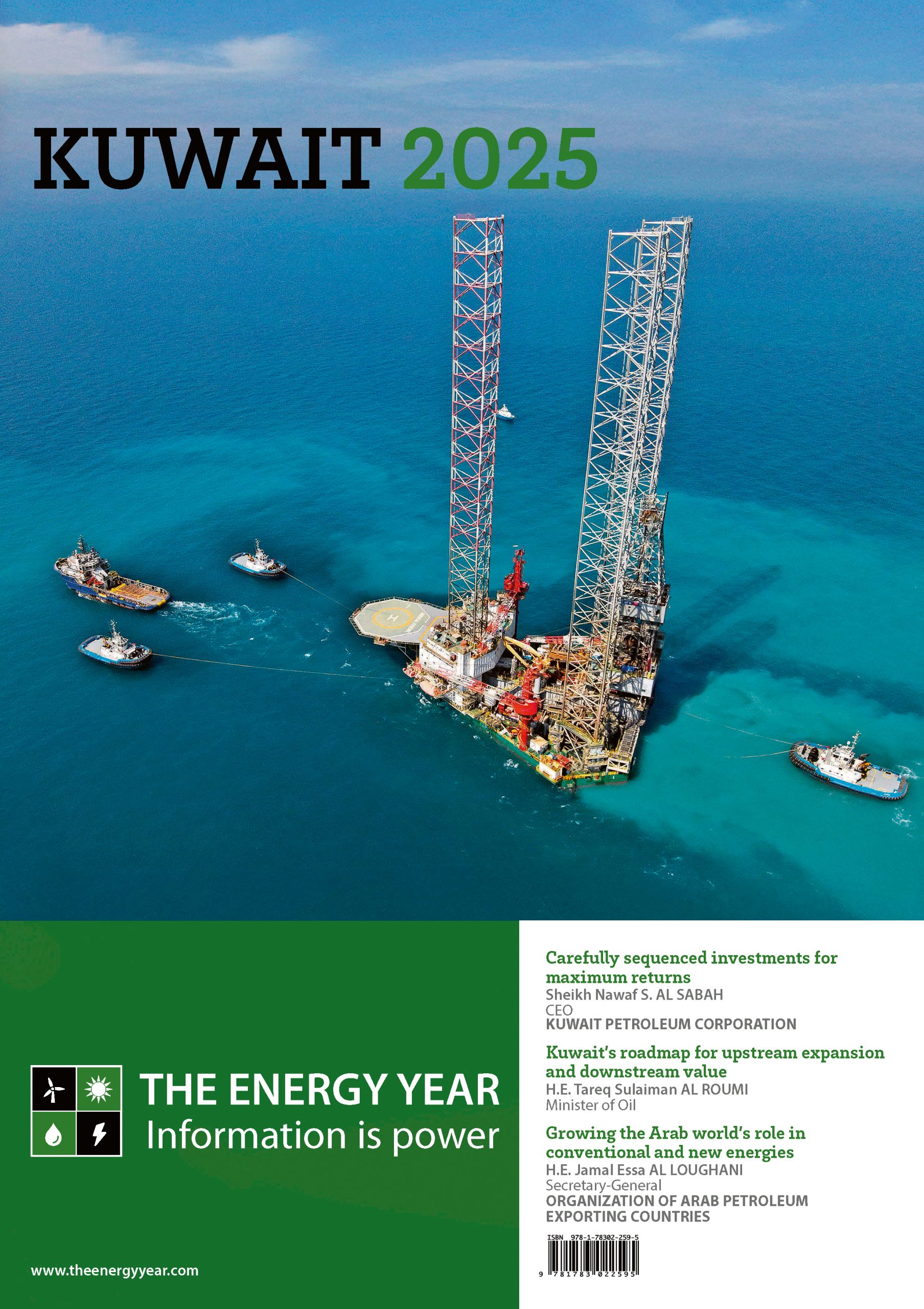
The Energy Year Kuwait 2025
The Energy Year Angola 2025
The Energy Year Nigeria 2025
The Energy Year Saudi Arabia 2025
The Energy Year UAE 2025

