

Vertical integration for cross-border growth
September 9, 2024 Kuwait


Mohamad Sahyouni, deputy CEO of KDDB General Trading & Contracting, talks to The Energy Year about adapting to challenging market conditions through diversification and the generation of new revenue streams. KDDB is an EPC company that serves the oil and gas, petrochemicals, power and infrastructure sectors.
How does KDDB structure its operations to maximise its participation in projects?
We seek to become a vertically integrated company and participate in diverse projects. The current scarcity of new oil and gas ventures, however, is challenging because competition is intense, with winning bids sometimes coming in below what costs could be and many companies completing projects at a loss just to maintain their equipment and staff.
Despite the challenging conditions, KDDB has not had any layoffs and we have maintained stability during this difficult period.
What are the advantages of vertical integration in projects that have large equipment requirements?
In the current market, most projects require large quantities of equipment. We took on the local agencies for two manufacturers who have different price points so we could cater to diverse projects and maintain our margins while being able to compete. This move is crucial because many projects allocate a sizable portion of their budget to equipment, and by avoiding the fees that agents typically charge and getting favourable prices as local representatives, we enhance our competitiveness.
The strategy applies only to projects requiring new equipment, however. The benefit of vertical integration lies in optimising costs across segments. By minimising expenses, we can boost profits and save for reinvestment.
Has KDDB adapted its strategy in response to the sparsity of oil and gas projects?
We are an oil and gas company. That’s our bread and butter. However, if there are no oil and gas projects, we have to look for alternatives. We recently became approved by the US Army to bid for their projects. The headquarters for most of their operations in Saudi Arabia, Iraq and Jordan is in Kuwait, so their larger multi-country projects are tendered from here.
Some of their projects have similar or even larger budgets than we see for oil and gas. We can bid independently for their projects, without any need for partnerships or joint ventures.
The market needs to see that we are still competing and taking on projects. Besides the US Army, we have targeted 16 Kuwaiti government ministries and are in the process of securing approvals. We are adapting and diversifying our portfolio by engaging with government entities until the industry rebounds.
How does the company balance its offerings and what potential do you see in the market for maintenance services?
In our current portfolio, construction is probably around a third of the size of maintenance services. Over the past years, there have been a lot of construction projects that now need to be maintained.
Unlike construction, maintenance is a constant need, and maintenance budgets are in some cases more accessible because they are often already integrated into larger approved budgets at the K-companies. The maintenance market has proven to be less prone to fluctuations than new construction.
Is KDDB considering expanding into other countries in the region?
Expansion into Saudi Arabia would be organic growth for us as the market is close and there is a pipeline of projects that is progressing on schedule. We have also explored options to expand into Iraq, Libya and South Sudan, where there is significant growth potential. However, the key factor is profitability. Wherever we go, we want to be able to compete and make real money.
What factors do you consider when entering into partnerships?
Price and flexibility are two key considerations. We prefer strong partners that aren’t rigid and that are able and willing to adapt to the requirements of the market. We have found that our Chinese partners are very flexible and are willing to adapt much faster than others while still providing us with competitive prices and meeting deadlines. They are capable of mobilising large workforces promptly and maintaining continuous operations to meet project deadlines.
Read our latest insights on:
More content from Kuwait





Quality seismic decisions for Angola
INTERVIEW
Latest news and features



Latest Reports


The Energy Year Oman 2026
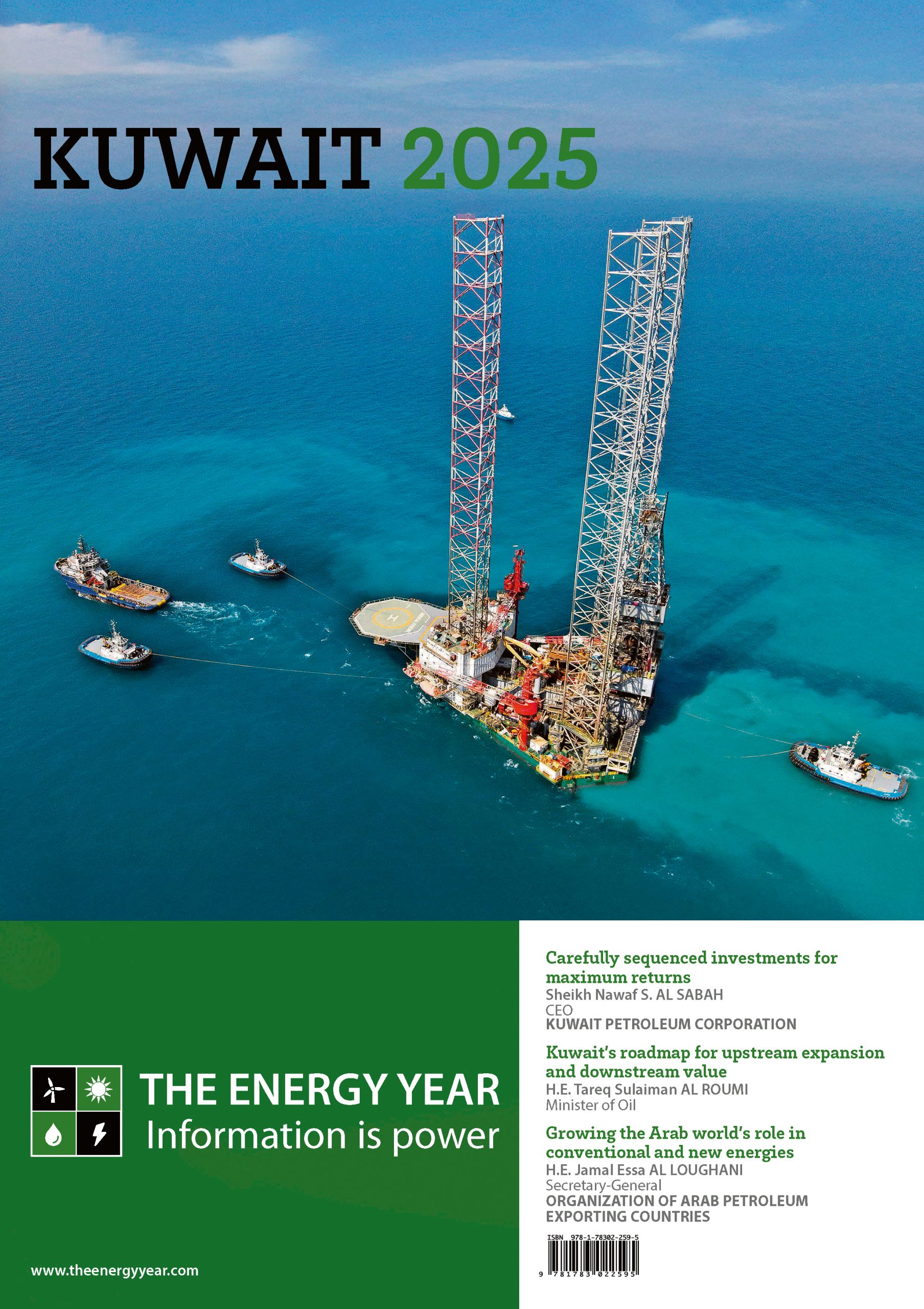
The Energy Year Kuwait 2025
The Energy Year Angola 2025
The Energy Year Nigeria 2025
The Energy Year Saudi Arabia 2025
The Energy Year UAE 2025

